
Tour review · VENICE ART & MUSEUM TOURS
Venice: Leonardo Da Vinci Museum Entrance Ticket
Leonardo’s machines turn Venice time into real fun. I especially like the hands-on working models and the 360-degree mirror room that makes you feel inside the experiment. Just know the museum is small, so if you want a long, slow museum day, you may finish sooner than you expect.
This ticket is an easy, self-paced break from the crowds, with exhibits organized around the four elements and clear explanations in multiple languages. You’ll also find practical family-friendly activities built right into the rooms, not stuck in a corner. If you’re traveling with kids, it helps to plan for extra time if they want to try every station.
Key Things That Make This Ticket Worth It
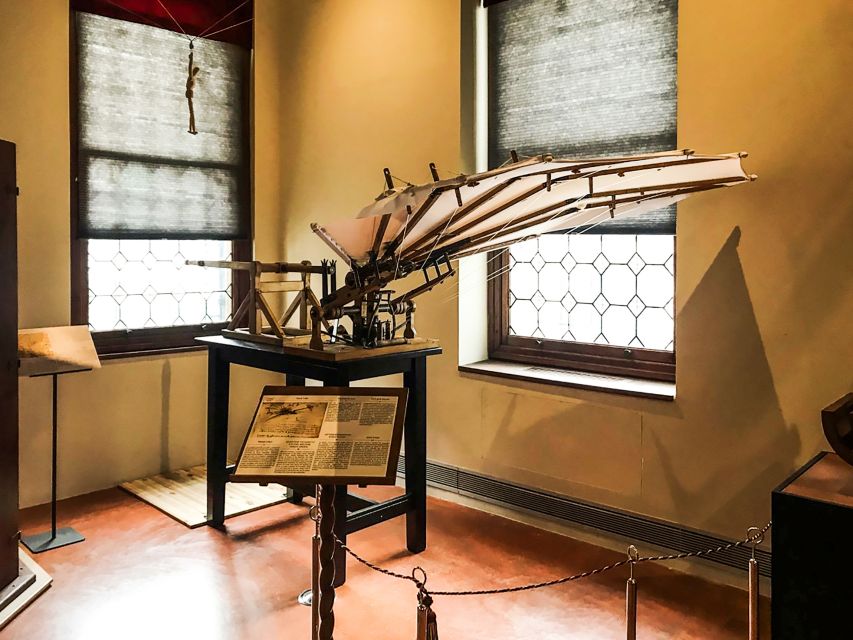
- Four-element layout (Earth, Water, Air, Fire) that helps you follow Da Vinci’s thinking.
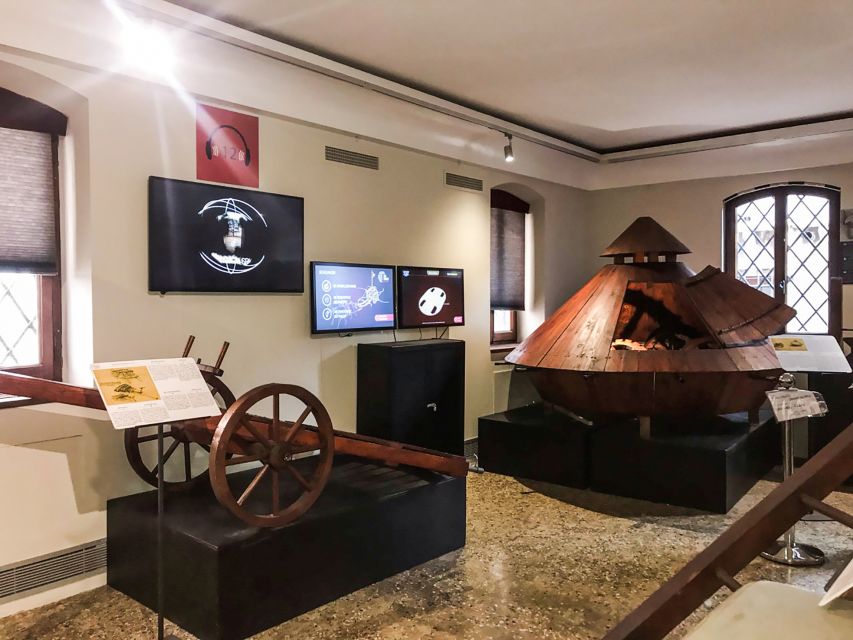
- Working replicas that show how the ideas function, not just how they look.
- Family stations like puzzles and hands-on tasks for a wide age range.
- 360-degree mirror experience that turns one room into an unforgettable visual trick.
- QR audio support you can grab near the shop if you want more context.
Where This Museum Fits Into a Venice Day
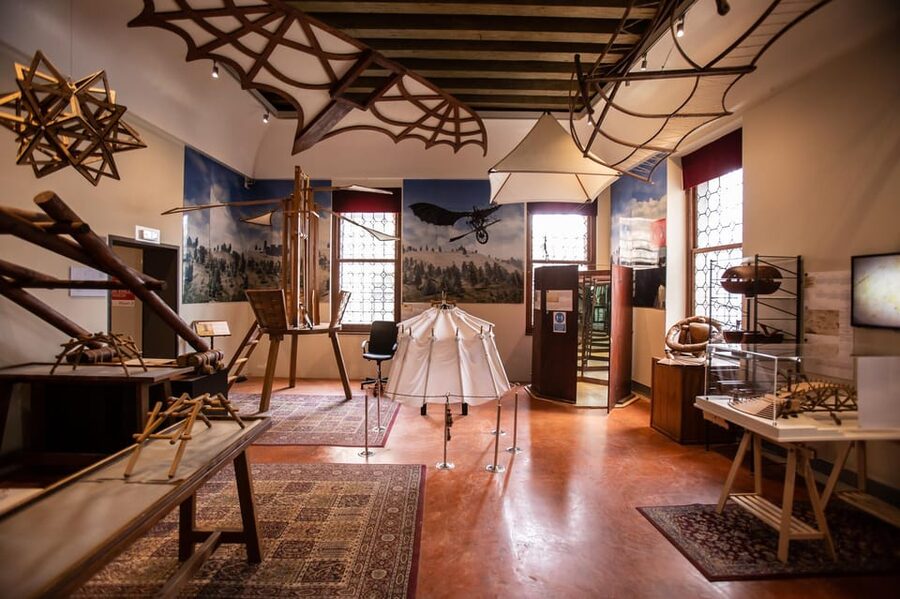
Venice can be a lot of walking, plus a lot of looking, and not much doing. This museum is a rare stop where you switch modes from street wandering to hands-on discovery.
The space is compact, so it works well as a mid-day reset when you want air-conditioning and a break from heat and lines. It also fits neatly as a “one extra ticket” add-on if you only have a day or two and want something different from churches and canals.
A few more Venice tours and experiences worth a look


Price and Value: Is $10 a Good Deal?
At about $10 per person, this is priced like a smart impulse ticket, not a big-ticket museum. The value comes from the interaction. You are not just reading labels. You are trying mechanisms, puzzles, and visual learning stations that keep the visit moving.
You also get a couple small perks that add up. Photos inside are allowed, and there’s a 10% discount on purchases in the shop. If you like Leonardo souvenirs, that discount can help offset the price of a postcard set or small themed gift.
Tickets, Timing, and How Long to Plan
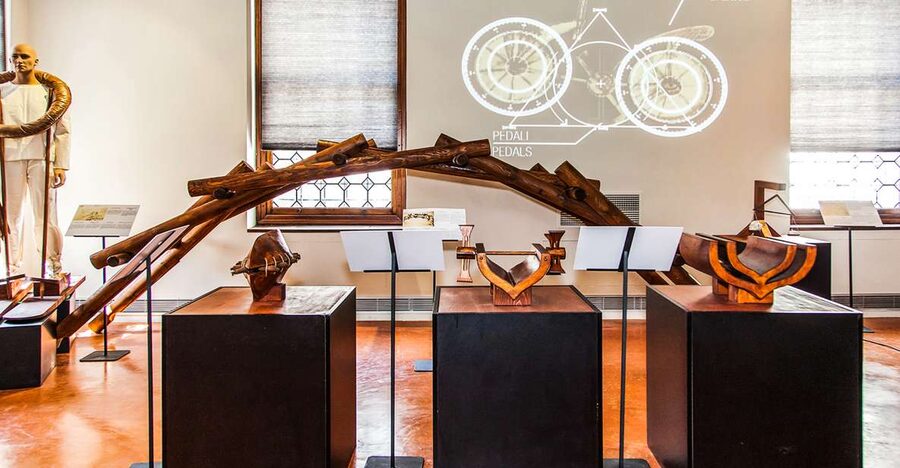
This is a 1-day, timed-entry style ticket, with “valid 1 day” and different starting times depending on availability. The last entrance is 1 hour before closing, so don’t treat it like an all-evening plan.
From the experience descriptions and typical visit lengths, I’d plan:
- If you’re focused and quick: 30 to 60 minutes
- If you want to try most hands-on stations and read a bit: about 1 to 1.5 hours
Aim to arrive close to your entry time. The museum is small, so if you wait around, you feel it fast.
Getting There: Campo San Rocco Meeting Point That’s Also the Entrance
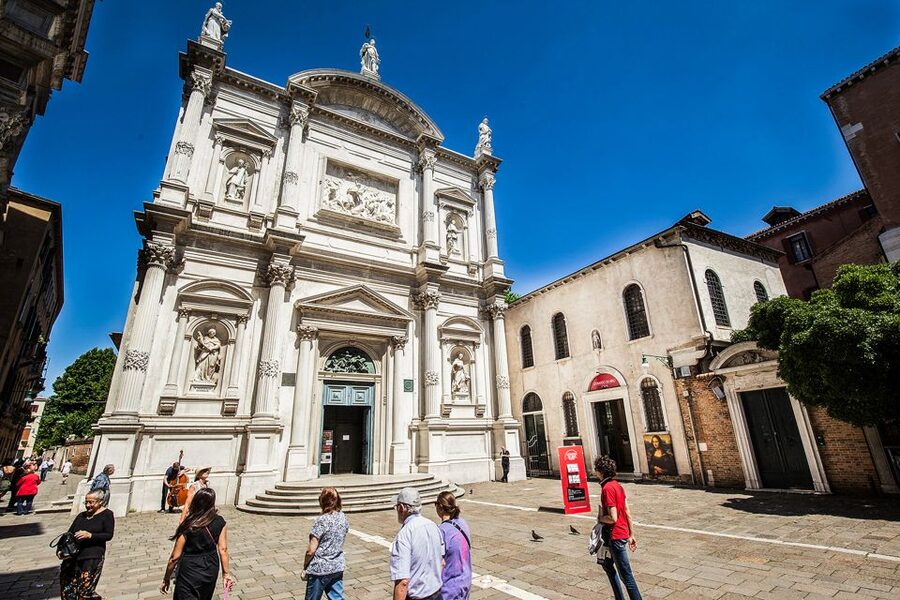
The meeting point is the museum itself, so there’s no confusing “meet your guide outside” problem.
Meeting point: Leonardo da Vinci Interactive Museum, Campo San Rocco, 3052 Venezia.
Edificio Scoletto di San Rocco, in front of the Scuola Grande di San Rocco, behind the Chiesa dei Frari.
This location is in a calmer zone compared to the most frantic postcard streets. For planning, that matters because you can walk in without feeling like you’re fighting through crowds just to buy a ticket.
When you arrive, you present your ticket to reception staff and enter. There is no guided tour, so think of it as a self-guided museum with helpful descriptions and multimedia.
What You’ll See in the Four Elements Rooms
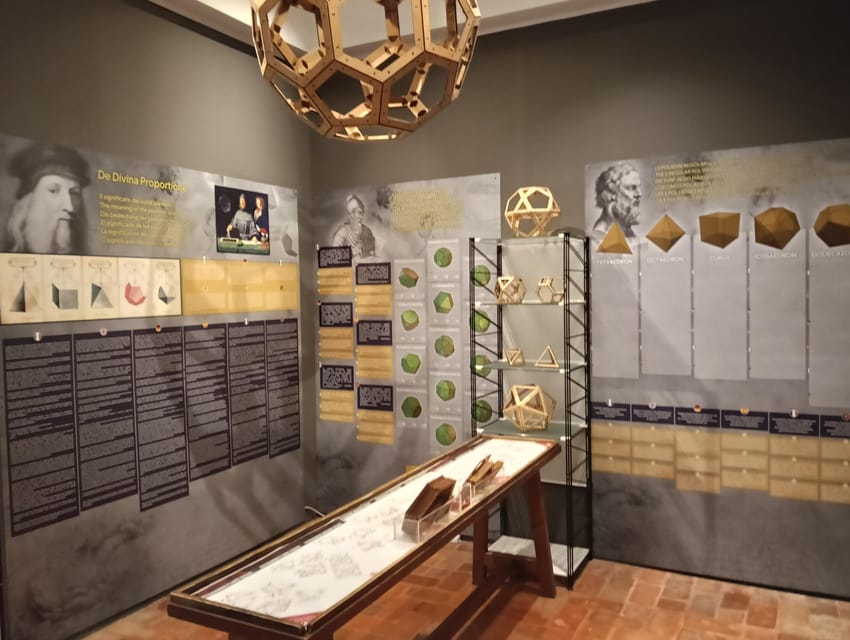
The exhibits are organized into four sections tied to Earth, Water, Air, and Fire. That structure is more helpful than it sounds, because it turns Da Vinci’s ideas into categories you can actually remember.
Here’s what that means as you move through the museum:
You can also read our reviews of more museum experiences in Venice





Earth: Machines and Material Thinking
In the Earth section, you’re essentially in Da Vinci’s “how things work” mindset. Expect models related to structures and mechanical principles, with explanations that connect the exhibit to his designs.
The big payoff here is seeing the logic behind the mechanism. The museum uses rebuilds based on Da Vinci’s original designs, with adjustments only when needed for proportions.
Water: Systems, Flow, and Engineering Curiosity
The Water room leans into engineering questions: how liquids behave, how systems move, and why certain designs make sense. The value is in the way the exhibits are made to be operated or interacted with, rather than locked behind glass.
If you like engineering and hands-on science toys, this is likely to be one of your favorite sections.
Air: Motion, Leverage, and the Inventor’s Imagination
In the Air zone, you’re drawn toward ideas that feel mechanical and conceptual at the same time. You’ll see how Da Vinci thought about motion and forces, and how those thoughts translate into devices you can understand with your own hands.
This is where the museum’s “interactive” approach pays off. Even if you don’t read every label, interacting helps the concepts stick.
Fire: Energy, Mechanisms, and Practical Wonder
The Fire section is where the museum connects inspiration to practical design. The theme keeps the exhibits from feeling like random inventions scattered on a wall.
For many people, this section lands emotionally too. Fire feels dramatic, and seeing it framed through design principles makes it feel less like magic and more like engineering.
Da Vinci’s Art and Anatomy: Why It’s More Than a Gadget Museum
A lot of Leonardo spots focus only on inventions. This one tries to show the full person by mixing science and art.
You’ll find:
- Studies of human anatomy
- High-resolution backlit replicas of some major paintings
- Descriptions that connect his medical work and artistic accomplishments
That blend is important for your understanding. Leonardo was not only a painter or only an inventor. He studied the body, observed the world, and treated art like a form of measurement and experimentation.
If you’re not sure you’ll care about anatomy, you still might like the context. The way the exhibits connect art and science makes the museum feel grounded, not like a lecture or a toy store.
Interactive Stations That Actually Get You Doing Something
The museum’s reputation comes from the interaction, and it shows in the layout. The exhibits are designed so people of different ages can participate, even if they don’t have the same interests.
A few specific types of experiences you can look out for:
- Hands-on activities throughout the rooms
- Multimedia displays that support the explanations
- Puzzles, including one review mentions a wood bridge puzzle on the second floor where having a second person helps
I like that it does not rely on one “big attraction.” There are several small chances to try something, so the visit doesn’t collapse if one station is too crowded or too challenging for your group.
Also, there’s mention of iPads for children to draw like Da Vinci. That’s a smart way to keep younger kids engaged without turning the whole visit into a daycare vibe.
The Mirror Room: The One Spot You’ll Remember
If you want a quick reason to justify time, make sure you don’t miss the mirror experience. One review highlights a mirror box on the ground floor, and another mentions a superb 360-degree mirror room.
This kind of exhibit is fun even if you’re not a “Da Vinci person.” It gives your brain a visual reset and makes the museum feel playful without reducing the education.
Give yourself a minute or two to enjoy it, and don’t rush past it just because it looks like a gimmick. The effect is genuinely memorable.
Languages and Multimedia: How Easy It Is to Follow
The museum provides descriptions in Italian, English, French, German, Spanish, and Russian. That’s a big deal in Venice, where language barriers can turn a small museum visit into a guessing game.
There’s also a multimedia approach, including a video that gives background context. If you prefer to learn by listening and watching, this helps you get the big picture before you start trying machines.
One practical tip: a review notes there are QR instructions to scan near the shop to access an audio guide. If you like audio support, check for that QR code early, since you might have to circle back if you miss it.
Photos, Souvenirs, and the Shop Discount
Photos are included, so you don’t have to worry about leaving your phone in your pocket. This matters because so much of the experience is visual, and it helps you remember specific machines and rooms later.
In the bookshop, you’ll find Leonardo themed gifts and souvenirs, and you get 10% off. If you buy postcards, a small model, or a book, it’s a nice built-in bonus rather than an afterthought.
Who This Museum Suits Best, and Who Might Skip
This ticket fits best if you enjoy hands-on exhibits, puzzles, and learning by doing.
You’ll likely love it if:
- You’re traveling with kids and want something active
- You’re curious about Leonardo as an inventor, not just a famous painter
- You like science-style museum stops that feel modern
You might not love it as much if:
- You want a huge museum with galleries and hours of masterpieces
- You prefer a full guided tour format, since this is self-paced with no guide
It’s also a strong match for a low-stress day. The pace is easy to control, and because the museum is small, you can adjust without ruining your schedule.
Should You Book This Leonardo da Vinci Museum Ticket?
I think it’s a yes for most first-timers who want a break from Venice walking. At $10, the interactive format gives you more “experience per minute” than you usually get at small museums.
Book it if you want:
- A family-friendly stop with plenty to touch and try
- An easy indoor win on a hot or busy day
- A quick, structured way to understand Da Vinci across art and engineering
Skip it if you’re craving a big, multi-hour museum day. The upside is also the reality check: it’s small, so you should treat it like a focused hour or two, not an all-day destination.
If you’re trying to choose between sitting in another crowded line outside or doing something you can actively participate in, this ticket is the kind of stop that makes your Venice day feel different right away.
FAQ
Is this ticket for a guided tour?
No. This experience does not include a guided tour. You enter and explore on your own.
How much does the Venice Leonardo da Vinci Interactive Museum ticket cost?
The price is listed as $10 per person.
How long should I plan to spend inside?
Many visits are around 30 to 60 minutes if you move quickly, with others closer to 1.5 hours if you try most activities and read more.
Where is the meeting point?
The meeting point is the Leonardo da Vinci Interactive Museum at Campo San Rocco, 3052 Venezia, in the Edificio Scoletto di San Rocco, in front of the Scuola Grande di San Rocco and behind the Chiesa dei Frari.
What is included with the entrance ticket?
Your ticket includes entry, the opportunity to take photos inside, and free admission for children under 3 years old, plus a 10% discount on bookshop purchases.
Are photos allowed inside the museum?
Yes, the ticket includes an opportunity to take photos inside.
Are there age rules for children?
Children under 15 years old can only enter if accompanied by an adult. Children under 3 years old have free admission.
Is the ticket valid for multiple days?
The ticket is valid for 1 day.
What time should I aim to arrive?
You can enter up to the last entrance, which is 1 hour before closing time.
What languages are available for the descriptions?
Descriptions are provided in Italian, English, French, German, Spanish, and Russian.
More Museum Experiences in Venice
More Tickets in Venice



More Tour Reviews in Venice



Not for you? Here's more nearby things to do in Venice we have reviewed











Venice Art & Museum Tours, compared.
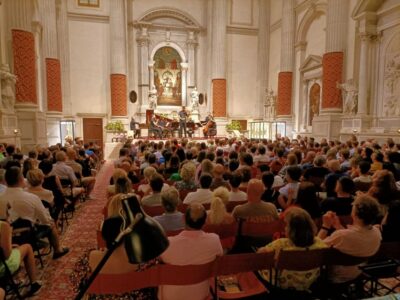 ★ 4.8Vivaldi’s Four Seasons Concert & Music Museum VisitFrom $462,065 reviews
 ★ 3.9Venice Museum Pass & Doge’s Palace Entrance TicketFrom $41769 reviews
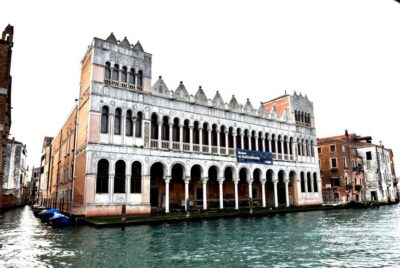 ★ 4.7Natural History Museum Entry TicketFrom $11312 reviews
 ★ 4.4Murano: Glass Museum Entry TicketFrom $11247 reviews
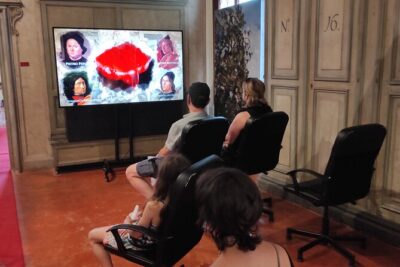 ★ 4.0Da Vinci Interactive Museum Venice Scuola di San RoccoFrom $10168 reviews
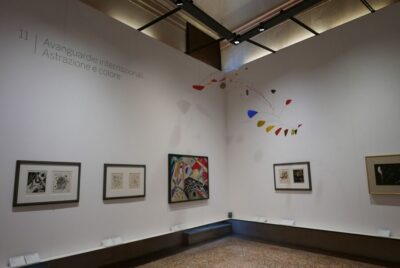 ★ 4.6Ca’ Pesaro Modern and Oriental Art Museum TicketFrom $11154 reviews
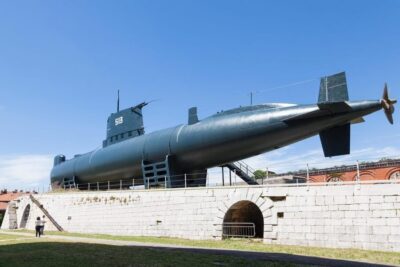 ★ 4.8Venice, Submarine Enrico Dandolo and Naval History MuseumFrom $30109 reviews
 ★ 4.8Vivaldi Baroque Concert Ticket and Free Music MuseumFrom $44103 reviews
Browse the lists this tour appears in