
Tour review · VENICE ART & MUSEUM TOURS
Da Vinci Interactive Museum Venice Scuola di San Rocco
Leonardo never felt this touchable in Venice. This Da Vinci Interactive Museum lets you play with working replicas of inventions, then unwind with backlit copies of his artwork and study material on his ideas. It is compact, easy to fit into a half-day, and geared for both kids and adults.
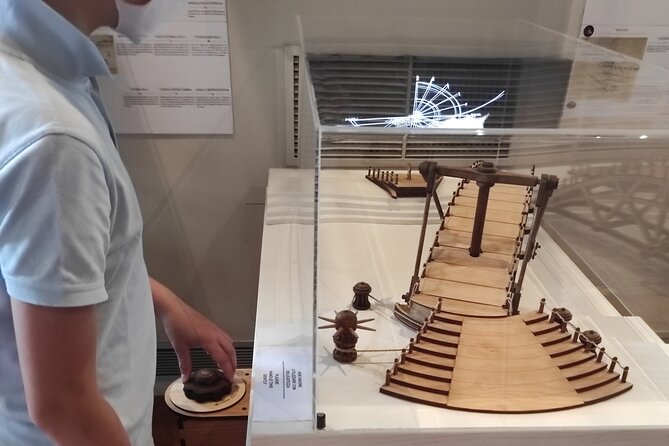
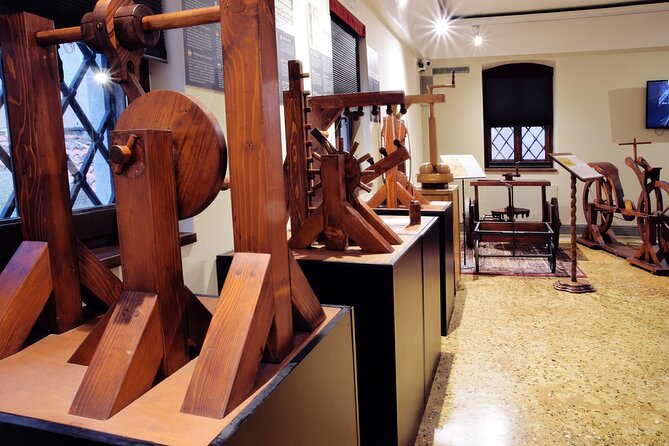
I especially like the museum’s hands-on machine replicas, built to Leonardo’s designs in four themed sections (Earth, Water, Air, Fire). I also love the way the museum pairs those engineering concepts with visual learning, including backlit reproductions of da Vinci paintings and supporting explanations in several languages.
One thing to keep in mind: it is not an enormous museum, and it is mostly about reproductions and models, not original Renaissance masterpieces.
Key highlights that make this visit worth planning
- Working replicas across Earth, Water, Air, Fire so you can see inventions grouped by theme
- Backlit, high-resolution painting copies designed for clear viewing without glare
- Hands-on interactions that keep kids busy and help adults understand how ideas work
- Multimedia timelines covering Leonardo’s life and his thinking process
- Audio guides available free on request, even if you do not see them mentioned during booking
- A compact two-floor layout where some areas involve steps, so plan your pace
A compact Venice stop that feels built for curiosity
Venice is great for wandering, but sometimes you want one clear, timed activity that does not eat your whole day. This museum is that kind of stop. Plan on about 45 minutes, but if you enjoy experimenting with the models or solving little hands-on challenges, you might stretch it closer to an hour or more.
For the price, it is a solid “learn while you do” experience. At $10.21 per person, you are paying for access to interactive replicas, explanatory displays, and visual study material. If you are hoping for a huge museum with original works, you may feel let down. If you want to understand how Leonardo thought and built, it is a fun way to get there.
Also, it is convenient. The museum runs daily 10:30 AM to 4:30 PM, with last entrance at 4:00 PM. That timing matters in Venice, where mornings fill fast and afternoons can turn chaotic.
You can also read our reviews of more museum experiences in Venice

Earth, Water, Air, Fire: the museum’s main “engine room”
Your visit centers on one exhibition area organized into four sections: Earth, Water, Air and Fire. Each zone groups machine ideas in a way that makes Leonardo’s curiosity feel structured, not random. You can move through and see how his concepts relate to real-world forces, materials, and mechanics.
What I like here is the museum’s focus on built models that match Leonardo’s own drawings and proportions. The machines are designed using Leonardo Da Vinci’s plans, and the museum says they follow original proportions unless changes were necessary. That detail matters. It means you are not just looking at pretty drawings or generic steampunk gadgets. You are seeing a design logic meant to connect to the inventor’s thinking.
The exhibit is also family-friendly in the best way: it does not talk down to kids, but it does make room for curiosity. Expect plenty of stimulation, plus explanations that support understanding rather than just listing facts. If you are traveling with children, this kind of structure can save you from the classic museum problem where the kids count minutes until it ends.
Practical tip: give yourself a slow start. The first zone sets your mental map for the rest of the visit. Once you see how the museum groups ideas, the rest goes faster and feels more rewarding.
Interactive machines: the “try it yourself” payoff
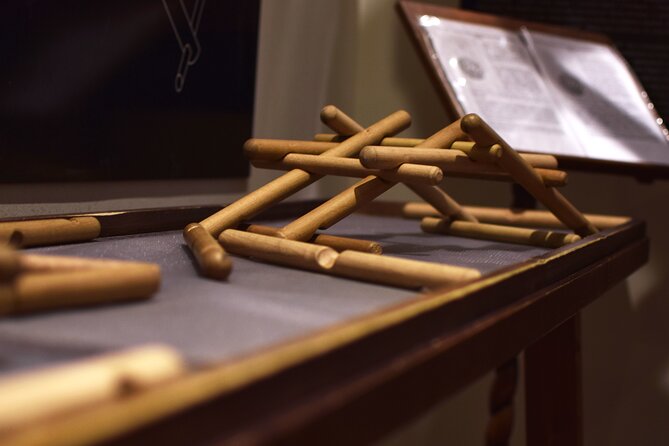
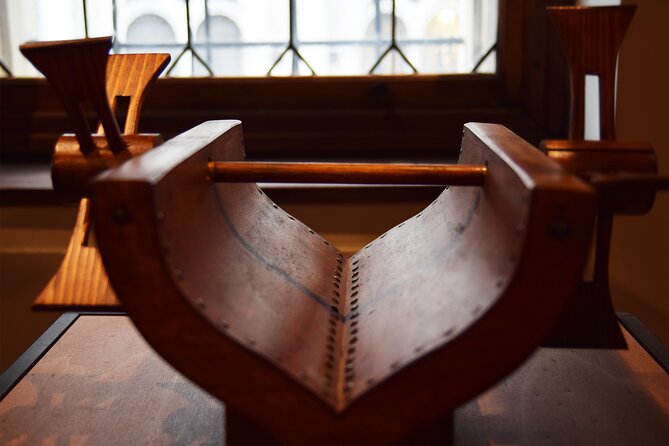
This museum earns its name in the way you actually interact. Many exhibits are designed as interactive models, and that is the whole point. You are not only reading labels. You are operating replicas and exploring how the parts behave.
That hands-on approach shows up in the way visitors describe the experience: the interactive parts are often what makes the museum feel like a place to play while learning. Kids get the fun, adults get the sense-making.
One tradeoff, though, is that the museum is small. That is not a flaw, but it does affect expectations. If you are picturing a large, immersive multi-room experience with constant animation and a “wow” moment every five seconds, you might feel the pace is calmer. The value is in the machine interaction and the explanations around it.
And do watch your step. Some visitor comments mention a two-floor layout with steps, so if you need flat access, take your time and plan your movement. The museum is still manageable, just not “stroller-everywhere smooth” based on what people have experienced.
Anatomy studies plus art copies: the clever pairing
Leonardo da Vinci was not only an inventor. He studied bodies and observed the world like a scientist, and the museum reflects that mix.
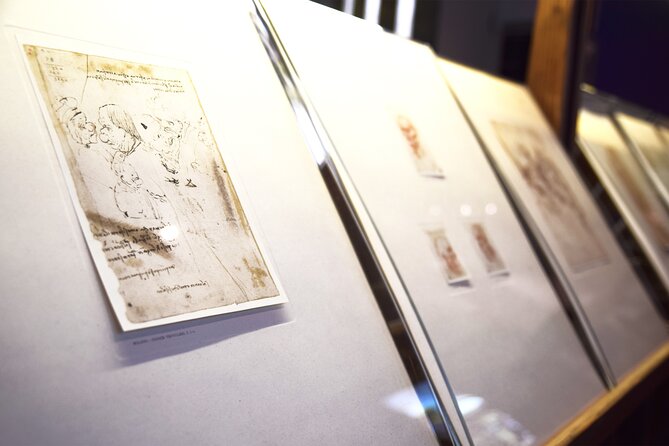
Alongside the engineering sections, you will find Leonardo’s major studies of anatomy. This is where the visit broadens from mechanics into human understanding. For adults, it helps explain why Leonardo’s notebooks were so wide-ranging. For kids, it turns the museum into a “how does it work inside” kind of curiosity.
Then there are the painting elements. The museum displays high-resolution copies of da Vinci paintings that are backlit for prime viewing. Backlighting might sound like a technical detail, but it changes the viewing experience. You do not have to fight glare or squint at dim reproduction prints. The goal is to help you look carefully, which is exactly what you want when you are trying to understand Leonardo’s techniques.
A subtle win here is the museum’s message: Leonardo’s art and his science are not separate worlds. When you see engineering ideas and then immediately switch to visual study and anatomy, the connections start to feel obvious.
Multimedia, film, and why audio guides can matter
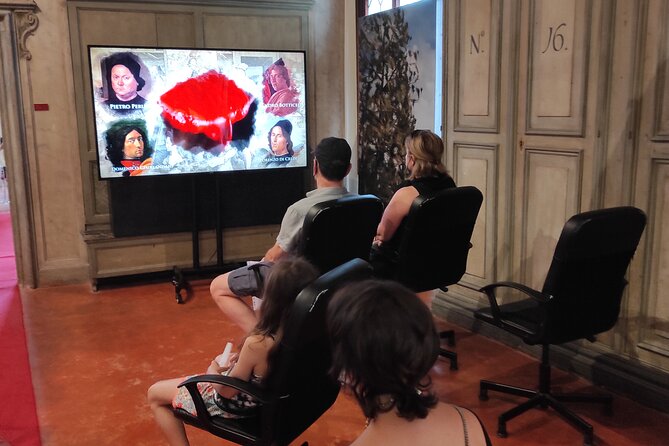
Expect multimedia displays about Leonardo’s life and works, with content presented in multiple languages. The museum provides descriptions in Italian, English, French, German, Spanish and Russian, so you can read at your own pace or let the displays do the heavy lifting.
There is also a short film chronicling his years as an artist and inventor. This is useful because it gives you a timeline and a sense of how the inventions fit into his broader career.
One smart thing to know before you go: there are audio guides available free of charge upon request at the entrance. Even if your booking does not highlight them, it sounds like they can be obtained on arrival. If you enjoy more context, this is worth asking for right away. Audio guidance can turn a good visit into a more complete one, especially when you are trying to connect machine ideas to his life.
If you do not want audio, no problem. You can still get plenty from the written descriptions and the interactive models.



Timing in Venice: last entrance, pacing, and where to slot lunch
The museum’s daily schedule is straightforward: 10:30 AM to 4:30 PM, with last entrance at 4:00 PM. I treat that as a planning tool. In Venice, that gap from late afternoon can be useful if you are trying to avoid the heaviest foot traffic or if you plan a longer museum day and need a shorter anchor activity.
Because it is about 45 minutes on average, it also works well as a “reset” between major landmarks. You can get a learning stop in without draining your energy.
One more practical note: food, chewing gum, and beverages are prohibited in exhibit areas. So plan on snacks outside. Venice walks are longer than you think, and it is easy to forget that museum rules can be strict once you are inside.
If you want a smooth day, consider doing the museum before a sit-down meal. That way you are not hungry while reading labels and testing machines.
Location reality check: Campo San Rocco and map confusion
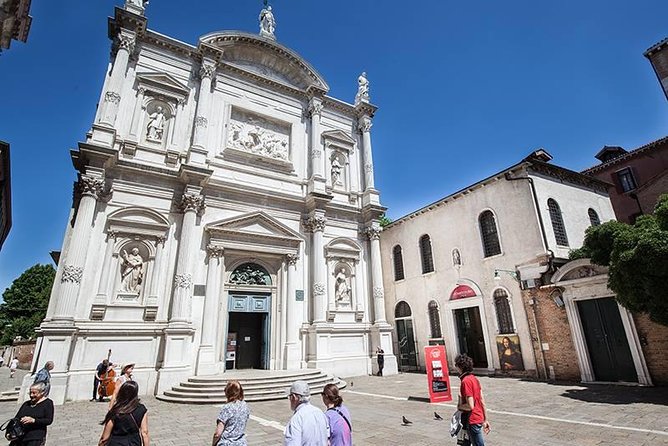
This museum is located in Campo San Rocco. That detail matters because there are other Leonardo da Vinci related options in Venice, and at least one person experienced confusion from map searches and ended up at a different museum.
My advice: when you look for the museum, confirm you are aiming for Campo San Rocco and not a different Leonardo stop. If you are using a navigation app, double-check the name and the surrounding square before you commit. It is an easy mistake to make when Venice streets look similar from block to block.
It is also described as near public transportation, which helps if you are coming from farther out or your hotel is not in the most central area.
Price and value: what you get for $10.21
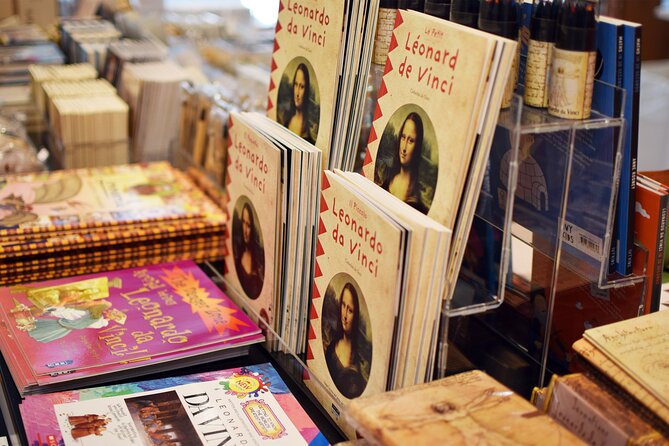
Let’s talk about the money in a grounded way. $10.21 is not a “major museum ticket,” and the museum does not try to be one. It is built for interactive learning and quick understanding.
Here is what you get for that price:
- interactive models where you can operate replicas
- backlit, high-resolution painting copies
- anatomy studies and themed machine sections
- explanations in multiple languages
- multimedia and a short film
Now, what can disappoint people:
- it is small, so you might finish quickly
- it focuses on copies and reconstructions, not original paintings
So the best “value mindset” is this: you are not buying entry into the Vatican. You are buying a hands-on, well-presented crash course on Leonardo’s inventions and thinking style.
If you like machines, drawings, and practical experiments, you will probably feel you got your money’s worth. If what you want is original Renaissance artwork, you may feel the ticket buys too much reproduction and too little prestige.
Who should book this and who might want a different plan
This is a great fit for:
- families with kids who like touching and operating things
- adults who enjoy engineering ideas and hands-on demonstrations
- people who want a short Venice activity that is still educational
It is less ideal for:
- anyone who expects a huge immersive blockbuster exhibit
- art-first travelers who specifically want original works
- people who prefer guided storytelling the entire time, since this experience does not list a professional guide included
Also, think about mobility and pace. The museum is compact, but a two-floor layout with steps has been mentioned by visitors, so plan accordingly if stairs are tough for your group.
Should you book the Da Vinci Interactive Museum in Venice?
If you want a hands-on Leonardo experience that you can do in under an hour without fighting for time, I think it is worth booking. The combination of interactive machines, backlit painting reproductions, and anatomy-focused learning gives the visit a balance that many “one-note” exhibits do not have.
I would pass or at least adjust expectations if you are chasing the kind of large-scale, highly immersive show where you never stop watching screens. This museum is more about trying ideas and looking closely than about constant spectacle.
My simple decision rule: if your group enjoys science, inventions, and working models, book it. If your group mostly wants original paintings and big museum grandeur, save your money and look for a more art-centered option.
FAQ
How long does the Da Vinci Interactive Museum visit take?
The experience is approximately 45 minutes on average.
Where is the museum located?
It is in Campo San Rocco, Venice.
Is a professional guide included with the ticket?
No. A professional guide is not included.
Is the experience interactive?
Yes. The ticket includes interactive models.
What languages are available?
Descriptions are provided in Italian, English, French, German, Spanish, and Russian. English is offered.
Are audio guides available?
Yes. Audio guides are available free of charge upon request at the entrance.
What are the opening hours and last entrance?
It runs 10:30 AM to 4:30 PM, with last entrance at 4:00 PM.
Can I eat or drink inside the exhibit areas?
No. Food, chewing gum, and beverages are prohibited in exhibit areas.
Do I need a printed ticket?
No. The experience uses a mobile ticket.
Is there an extra fee for people staying outside Venice?
On certain dates, some day-trippers staying outside of Venice may need to pay a €5 access fee. Check the referenced city access page for details and exemptions.
More Museum Experiences in Venice

More Tour Reviews in Venice



Not for you? Here's more nearby things to do in Venice we have reviewed








Venice Art & Museum Tours, compared.
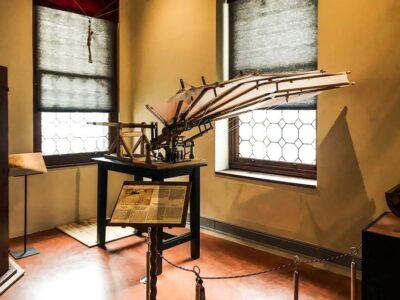 ★ 4.5Leonardo Da Vinci Museum Entrance TicketFrom $103,560 reviews
 ★ 4.8Vivaldi’s Four Seasons Concert & Music Museum VisitFrom $462,065 reviews
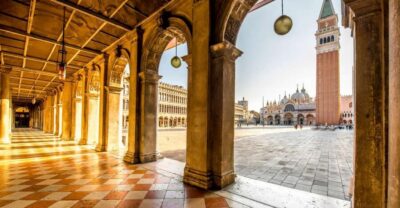 ★ 3.9Venice Museum Pass & Doge’s Palace Entrance TicketFrom $41769 reviews
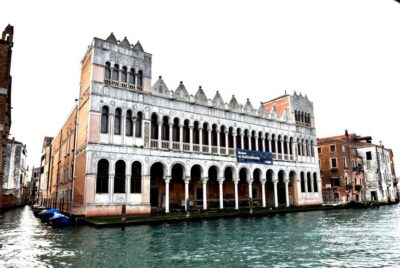 ★ 4.7Natural History Museum Entry TicketFrom $11312 reviews
 ★ 4.4Murano: Glass Museum Entry TicketFrom $11247 reviews
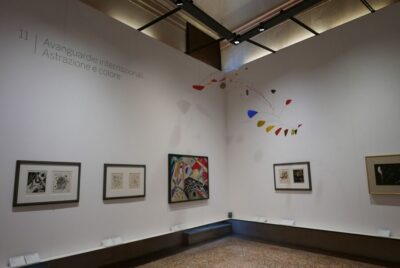 ★ 4.6Ca’ Pesaro Modern and Oriental Art Museum TicketFrom $11154 reviews
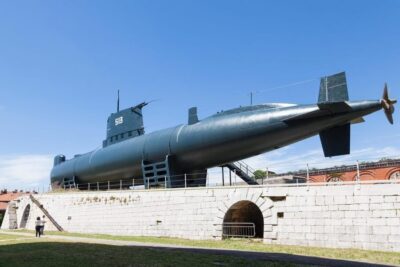 ★ 4.8Venice, Submarine Enrico Dandolo and Naval History MuseumFrom $30109 reviews
 ★ 4.8Vivaldi Baroque Concert Ticket and Free Music MuseumFrom $44103 reviews
Browse the lists this tour appears in