
Venice can feel like a museum, until you walk it with locals. This Dorsoduro historic walk focuses on how the city works, not just what it looks like. I love the way the guide ties architecture and urban planning to everyday Venetian life, and I love learning the city’s own language, with words like squero and palazzo explained as you go.
One thing to keep in mind is that two of the major sights you’ll pass, Punta della Dogana and Santa Maria della Salute, have entry that’s not included. So if you want to go inside, budget a little extra, and bring patience for church and museum lines if any are happening.
Key points you should care about
- Dorsoduro at walking speed, with quiet lanes instead of the usual stampede routes
- Real focus on Venetian terms like squero and palazzo, so you can actually read the city
- A squero stop plus an aperitivo moment, tying craftsmanship and daily life together
- Port, canals, and merchant Venice, not just statues and facades
- Carnival details at Ponte de la Toletta, so history feels playful, not stiff
- Small-group vibe from a private tour, with time to ask questions
Why This Venice Walk Feels Different Than the Usual Sights
Venice is full of famous views, but the city also has a brain. This walk is built around that idea. You’re guided through Dorsoduro, one of the calmer, more local-feeling parts of Venice where people hang out, take weekend walks, and keep life going in between the tourist highlights.
The route is designed for people who like to learn while moving. You’ll talk through how Venice was built, how the city’s architecture and urban layout shaped daily life, and how it has changed over time. You also get a human angle, because the stops you hit are tied to traditions that still show up in the city’s rhythm today. If you’ve ever looked at a Venetian building and thought, Okay, but what is all this and why does it matter, this is the kind of walk that answers that.
I also appreciate the guide style. Nicolo and Alexandra bring energy, and you can feel the emphasis on responsible travel and sharing knowledge rather than treating Venice like a checklist. If you like an early-morning start (the walk begins at 9:00 am), this fits the bill well.
You can also read our reviews of more walking tours in Venice
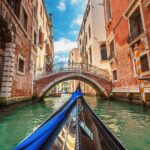
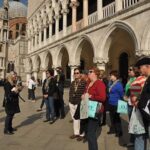
Starting at Campo Santa Margherita: Venetian Squares as Social Living Rooms
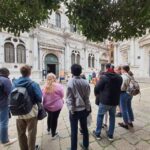
You begin at Campo Santa Margherita, one of the best places to understand Venice fast. Squares here are not random open spaces. They are social rooms, where the street life gathers, where conversations spill out, and where locals naturally orient themselves.
In the early part of the walk, you’ll get your bearings in a way that matters for the rest of the route. The guide helps you see how squares connect to narrow streets and canal edges, and why those connections shaped how Venice grew. Even if you’re only spending minutes here, it sets the tone: you’re learning the city’s logic, not just collecting landmarks.
Practical note: squares can be breezy and sometimes busy. Since this walk is about quiet neighborhoods and backstreets later, treat Campo Santa Margherita as your orientation pause, then move with the group when it’s time.
Scuola Grande dei Carmini: Learning What a Scuola Means in Venice
Next you’ll stop at Scuola Grande dei Carmini. This is where the walk shifts from general understanding to Venetian “vocabulary.” The stop is framed as What is Scuola Grande, and the guide uses the building and the surrounding context to explain what these institutions mean in Venice.
This is a good moment to slow down, because scuola architecture is part of why Venice feels so dense and expressive. These buildings show how art, community, and civic identity fit together. You’re not just looking at decoration, you’re learning what kind of place it was meant to be.
If you’re the type who likes details, you’ll probably enjoy this stop. If you’re the type who wants fewer explanations and more photo time, this portion might feel a bit talk-heavy since it’s about understanding the idea, not just spotting views.
Squero Domenico Tramontin e Figli: Seeing Gondola Craftsmanship Up Close
The heart of the local feel comes at the Squero Domenico Tramontin e Figli stop. This is introduced as a What is Squero moment, and it ties directly to Venice’s gondola boatyards.
A squero is not a generic workshop. It’s part of the system that keeps a very specific Venice alive: the craft behind the gondolas and the skills that get passed down. When you stand near these waterside work zones, you start to grasp that Venice’s beauty isn’t only artistic. It’s also practical, mechanical, and working.
Time here is about ten minutes, so you won’t lose the morning to a long stop. But you’ll leave with something useful: a clearer mental map of where craft fits into Venice’s urban fabric. That makes later canal and waterfront areas feel more meaningful.
Osteria Al Squero: The Perfect Role for an Aperitivo Break
After the squero, you head to Osteria Al Squero for a Venetian aperitivo moment. This part is short, around fifteen minutes, and it’s a nice reset between the more “architecture and planning” stops and the waterfront sections later.
The key practical detail: alcoholic beverages are not included. That means you can keep it simple. Get a drink if you want, or choose something non-alcoholic if you prefer. The value here is not a fancy package deal. The value is the cultural timing. Aperitivo in Venice is about slowing down, socializing, and taking a breather in the middle of the day’s moving story.
Consideration: since your stop is brief, go with the flow. If you sit down expecting a long, relaxed meal, you might feel slightly rushed. But if you want a quick taste of the Venetian way of doing midday breaks, it works.
You can also read our reviews of more city tours in Venice

Fondamenta Zattere and the Water City Brain
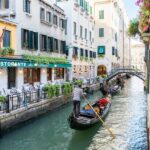
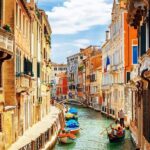
Then you shift into waterfront territory at Fondamenta Zattere. This stop focuses on the Venetian port and canals. Even if you have seen photos of Venice’s waterways, the guide’s angle is different here. You’re learning how the city used water to connect goods, people, and power.
This is the kind of walking stop where your perspective changes. Instead of thinking, This is pretty, you start thinking, This is how Venice moved things. That one mental switch makes the whole city feel more readable. You’ll notice how the edges, the bends, and the canal connections would matter for daily logistics.
You get about fifteen minutes here. That’s enough time to take in the waterfront feel, but not so much time that you get stuck waiting for everyone. If the weather is good, this section can be a photo-friendly stretch. If it’s windy or rainy, you’ll appreciate that the walk is already paced to move you along.
Campo Sant’Agnese: Venetian Urbanism in Real Streets, Not in Theory
Next comes Campo Sant’Agnese, framed around Venetian urbanism. This is one of the stops where you can really feel the tour’s purpose. The guide isn’t only pointing out buildings. They’re showing you how Venice thinks in spaces: where openings happen, how people would circulate, and how the city’s form shapes daily life.
Because you’re walking through quiet lanes, this stop also helps you slow down. You start noticing micro-cues: how sightlines work, how a campo functions as a node, and how the street layout supports neighborhood life.
If you like urban planning at all, you’ll enjoy this. If you are mostly in Venice for big “wow” monuments, this stop might feel less flashy. But it’s also the stop that helps you understand why Dorsoduro feels livable compared to the most crowded corridors.
Punta della Dogana: Customs House Power and Merchant Venice
At Punta della Dogana, the theme is custom house and merchants of Venice. You’re standing where trade energy historically mattered. This part of the walk connects the everyday craft and neighborhood life to the commercial engine that helped Venice stay Venice.
Admission here is not included, so you’ll likely be viewing from the outside context while the guide explains what the area meant. If you want to go inside, you would need tickets on your own. Even without entry, this stop helps you link water access, commerce, and Venice’s political strength.
Time is about fifteen minutes. That’s a solid length for a waterfront interpretation stop. You get enough time to absorb the area without feeling like the walk has paused too long.
Santa Maria della Salute: Palladio, Venetian Baroque, and Living Traditions
Then it’s Basilica di Santa Maria della Salute, with a focus on Palladio, Venetian Baroque, and life traditions. This is a big-name landmark, and it fits the tour’s approach well: the guide doesn’t treat it as a standalone photo op.
Because entry tickets are not included, you can expect the main experience to be around outside views and the guide’s explanation tied to the site’s cultural role. If you do plan to enter, plan extra time and assume it might cost more. That said, even just stepping into the visual context around the basilica can change how you read the skyline.
This stop also helps you connect architecture to tradition. It’s not only about style. It’s about how Venetians have used these major spaces across generations.
Ponte de la Toletta: A Carnival Stop That Feels Like Venice Playing
Next you’ll reach Ponte de la Toletta, with the theme of Venetian Carnival. This is one of those stops that reminds you Venice has always been theatrical. Carnival is not just a modern event. It’s tied to how Venetians historically celebrated, performed, and shaped identity.
Time is about fifteen minutes, and the focus is likely on how the bridge fits into the Carnival vibe and how the city’s spaces help make public celebration possible. It’s a welcome tonal shift after more structural talks about trade and architecture.
If your ideal Venice moment includes color and culture mixed together, this is a strong stop. It’s also a good chance to ask questions, because Carnival connects history to real emotions and social behavior.
Giardini di Ca’ Rezzonico: Why Palazzi Matter to Venice’s Story
To wrap up, you spend time at the Giardini di Ca’ Rezzonico, centered on the Venetian palazzo idea. You’ll get a “palazzo mindset” as the guide connects the building style to wealth, identity, and how Venice organized status in stone.
This stop is short, around ten minutes, but it closes the loop. Earlier you learn about squares, escuelas, and squero craft. Then you connect to trade and major religious traditions. Finishing with a palazzo-focused moment gives the city a readable ending: Venice’s architecture is not random. It’s built to communicate.
You finish at Campo San Barnaba, which makes the end feel less abrupt. From there, you can continue your own wander with a clearer sense of direction and why certain areas feel the way they do.
Price and Practical Value, Including Tickets You Might Still Need
The price is $75.24 per person for about two hours and thirty minutes, with a mobile ticket. For that cost, you get a guide plus a structured route that teaches how Venice works from within, especially through Dorsoduro.
Value comes from two things:
- You’re not just seeing stops, you’re learning the city’s built logic and its vocabulary.
- The tour uses a private-group format, so you can ask questions and move at a pace that fits your group.
What’s not included matters:
- Alcoholic beverages are not included.
- Tickets inside churches or palaces are not included, and specifically admission is not included for Punta della Dogana and Basilica di Santa Maria della Salute.
One more practical note: depending on date, day-trippers who are staying outside Venice may need a €5 access fee. The details and exemptions depend on the official schedule, so it’s smart to check ahead.
If you want a tour that helps you understand Venice fast and use that knowledge while walking on your own later, the price feels fair for the time and the focused teaching style.
What the Timing Feels Like on the Ground
This walk is paced with short stops, mostly ten to fifteen minutes each. That structure is great in Venice, where walking between points can be slow if you hit foot traffic or detours around canals.
Because the start time is 9:00 am, you’re early enough to dodge some of the later crowds. The reviews highlight that the guides lean into morning energy, and that matches the route logic. You’re likely to feel less rushed and more able to notice small details.
Also, it’s a private activity, so the pace is more controlled than on large group tours. That’s helpful when you want to ask about terms like squero and palazzo without someone cutting you off mid-question.
Who Should Book This Venice Historic Walk
I think this tour is best for you if:
- You want Venice history explained in plain language.
- You like learning through neighborhoods, not just monuments.
- You want a calmer side of Venice focused on Dorsoduro.
- You enjoy architecture, urbanism, and how cities function.
It may not be the best fit if:
- You want long museum time and lots of indoor entry.
- You prefer a purely photo-focused tour with minimal talking.
- You know you only care about one or two headline attractions, because some key sites on the route have entry not included.
Should You Book This Historic Walk of Venice?
If you like Venice as a living city, not a theme park, I’d book it. The biggest reason is the approach: you walk with context. You’ll leave with more than photos. You’ll have a better way to read Venice, from squares to water edges to palazzi thinking.
Also, I find the guide duo concept strong. Nicolo and Alexandra bring a friendly, sustainable mindset and a lot of energy, and the walking route supports it. It’s the kind of tour where you feel like you learned something useful, not just heard facts.
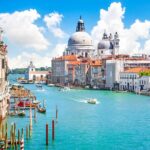
Do it with one small caveat: if you want to enter Punta della Dogana or Santa Maria della Salute, plan for extra tickets and possibly extra time. If you’re okay with outside views plus the guide’s explanation, you’ll get a smooth, high-value morning.
FAQ
How long is the Venice Historic Walk?
It lasts about two hours and thirty minutes.
What time does the tour start, and where is the meeting point?
The tour starts at 9:00 am. You meet at Campo Santa Margherita, 30123 Venezia VE, Italy.
Where does the tour end?
The walk ends at Campo San Barnaba, 30123 Venezia VE, Italy.
Is this a private tour?
Yes. Only your group participates.
What is included in the tour price?
A guide is included. The tour uses a mobile ticket.
Are entrance tickets included for churches or palaces?
No. Tickets inside churches or palaces are not included, and admission is not included for Punta della Dogana and Basilica di Santa Maria della Salute.
Are alcoholic drinks included?
No. Alcoholic beverages are not included.
Is there a €5 access fee?
On certain dates, day-trippers staying outside of Venice may be required to pay a €5 access fee. You can check applicable dates and exemptions at https://cda.ve.it.
What is the refund policy if I cancel or if weather is poor?
The experience is non-refundable and cannot be changed for any reason. If it is canceled due to poor weather, you’ll be offered a different date or a full refund. If the minimum number of travelers is not met, you’ll be offered a different experience or a full refund.
More City Tours in Venice
More Walking Tours in Venice
More Tour Reviews in Venice


Not for you? Here's more nearby things to do in Venice we have reviewed
Historical Tours, compared.
 ★ 3.9St. Mark Basilica Ticket, Audioguide+History GalleryFrom $234,780 reviews
 ★ 4.5Venice’s Best: Basilica, Doge’s Palace, Gondola & History GalleryFrom $1292,478 reviews
 ★ 4.2City Center Historical Guided Walking TourFrom $141,873 reviews
 ★ 4.3Bell Tower & St Mark’s Square History Gallery TicketFrom $44910 reviews
 ★ 5.0Basilica, Doge’s Palace, History Gallery & Bell Tower OptionFrom $116586 reviews
 ★ 4.7Natural History Museum Entry TicketFrom $11312 reviews
 ★ 3.5St. Mark’s Cathedral Priority Guided Tour & History GalleryFrom $33148 reviews
 ★ 4.8Venice, Submarine Enrico Dandolo and Naval History MuseumFrom $30109 reviews
Browse the lists this tour appears in