
Tour review · VENICE ART & MUSEUM TOURS
Biennale Architettura 2025 Intelligens Naturale Artificiale
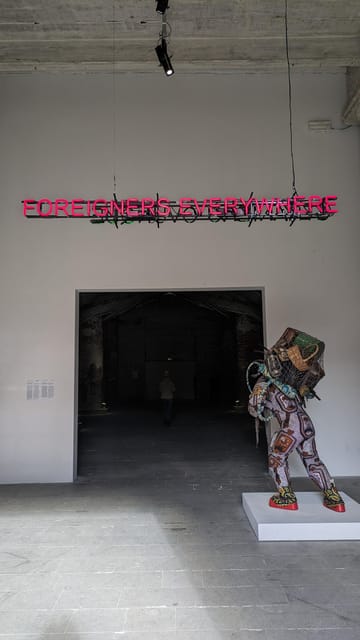
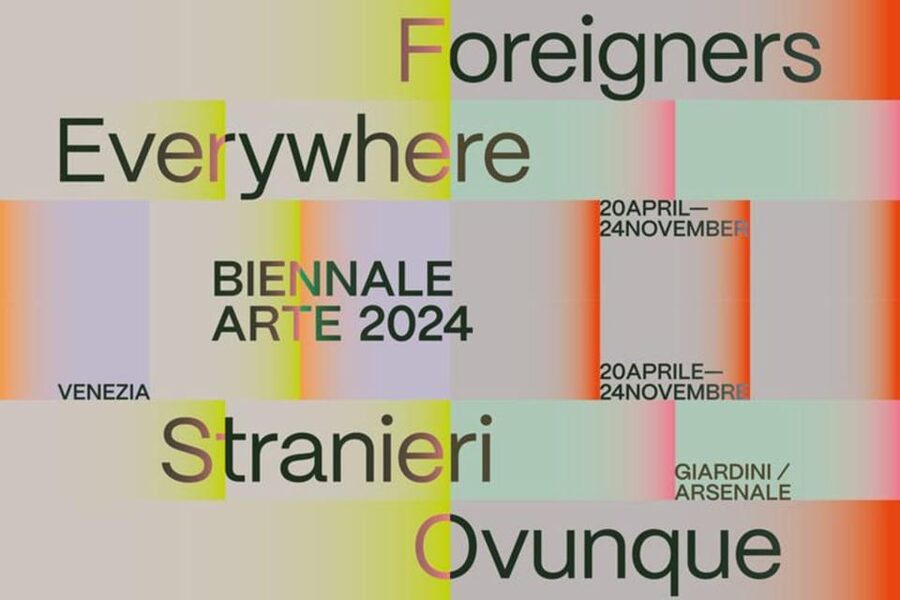
AI meets Venice, with a smart walking plan. This Biennale Architettura 2025 tour centers on the theme Intelligens. Naturale. Artificiale. Collettiva., where architecture, technology, and collective thinking meet the real world of Venice. I like that it is not just wandering, you get a planned route and a guide who helps you connect what you see to what it means.
Two big pluses jump out right away. First, the tour pairs the exhibitions at Giardini or Arsenale with expert context on the event and the national pavilions, so you do not miss the point. Second, it is a private, language options guided experience, and that makes it easier to ask questions instead of listening from far away.
One consideration: the tour time is 2 hours, and it covers one venue (Giardini OR Arsenale). If you want both sides, you will need extra time booked for a second 2-hour visit.
Key points to know before you go
- Pick your venue (Giardini or Arsenale) for a tighter, more meaningful route
- A licensed guide adds history and pavilion context, not just directions
- See the visitor center stop before the main guided walk
- Focus on the theme: how nature and artificial intelligence shape future architecture
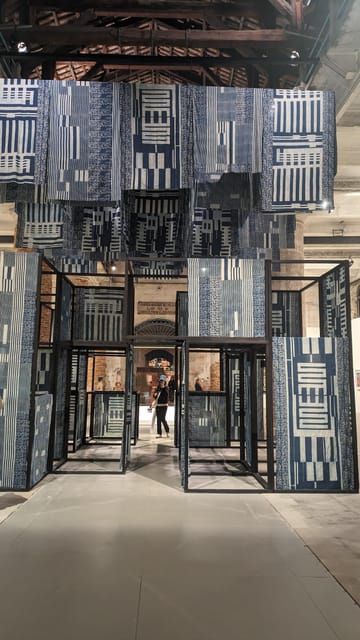
- National pavilions plus large installations give you both overview and scale
- Private group format means you control the pace and questions
Biennale Architettura 2025, what the theme really points to
Biennale Architettura 2025 is built around a simple idea, but it gets interesting fast: Intelligens. Naturale. Artificiale. Collettiva. is asking how intelligence shows up in architecture, not only through screens and code, but through materials, ecosystems, and shared human choices.
What I like about tours that stick to the theme is that they help your brain stop treating the Biennale like a checklist. You start noticing patterns. For example, you can watch for how “natural” is framed, how “artificial” is used in design processes or systems, and how collective intelligence shows up in community, access, or shared infrastructure.
This is also why a guided format helps. The Biennale is spread out, and architecture shows can feel abstract unless someone translates the intent into everyday language. With the right guide, you leave with a clearer sense of what you just spent two hours looking at.
You can also read our reviews of more tours and experiences in Venice.



Giardini vs Arsenale, choosing the right starting side
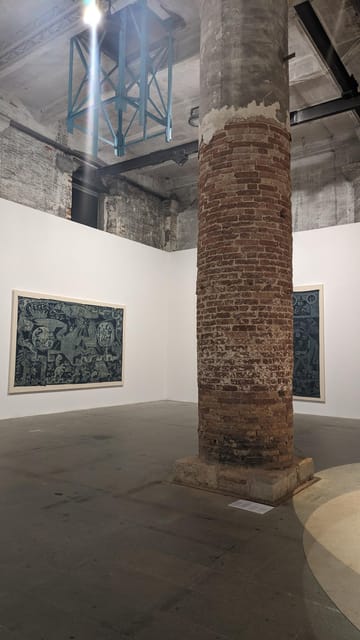
This tour works from Giardini or Arsenale, and that choice matters more than it sounds. Giardini is often where you get the classic Biennale layout experience, with the gardens and pavilion spaces creating a readable flow. Arsenale tends to feel more industrial and spacious, which can change how large installations hit you visually.
Because your time is limited to 2 hours, going in with a plan helps. If you want the more familiar Biennale atmosphere, choose Giardini. If you prefer bigger volumes and a warehouse-like feel for installations, choose Arsenale. If you truly want both, the provider says you can add a second 2-hour visit to cover the other venue either the same day or on later days.
A practical note: your meeting point is the main entrance at the venue you choose, and the tour ends back at that same meeting point. That makes it easy to keep your day organized around the rest of Venice.
Your 2-hour walking flow, stop by stop at the Biennale
The route is simple and time-aware, which is exactly what you want at a site this size. Your tour lasts about 2 hours, with a planned break at the visitor center and then a guided walk through the Biennale exhibition area.
Here is how the timing works in plain terms:
Stop 1: Main entrance at Giardini (or Arsenale)
You start right at the venue’s main access point. That matters because Biennale sites can feel like a maze when you are arriving for the first time. Starting there means you get oriented early, before you wander off-script.
Stop 2: Visitor center, about 10 minutes
This short visit is not filler. It is where you get bearings fast, understand how the exhibition is organized, and get the mental map your eyes will use later. Even architecture people often benefit from a quick structure like this, because it turns “lots of interesting things” into “here is how it all connects.”
Stop 3: Guided tour through the exhibition area, about 110 minutes
This is where the main work happens. Your guide walks you through the Biennale Architecture 2025 experience, covering exhibitions and installations connected to the theme. You also have time to walk between spaces without feeling rushed, which is crucial for architecture, where details and scale are part of the story.
Stop 4: Back to the meeting point
You end where you started. That makes it easier to keep plans for lunch, a vaporetto ride, or a second venue option.
If you are the type who tries to see everything on your own, this guided structure is the antidote. You get selection and context built in.
What the licensed guide adds, and why Valerio Coppo stands out
The tour is led by an expert guide who is described as licensed, and the focus is on more than “what this building is.” Your guide provides history about the exhibition and the pavilion context, plus meaning behind what you see.
The strongest detail from the reviews is about the guide experience itself. Valerio Coppo, from Detourist, is singled out for being extremely well informed and for speaking very good German. People also describe him as friendly and charming, which sounds like personality, but it also matters in practice. When a guide can explain clearly and keep things lively, you remember more and you get more out of each stop.
For you, the value is straightforward:
- You get a faster understanding of how the theme translates into architecture and installations.
- You learn the significance of the exhibits you might otherwise treat as purely visual.
- You can ask questions in one of the available languages.
The tour language options include German, English, Italian, and Spanish, and the experience notes that it can be arranged as a wheelchair-accessible private tour upon request. That is useful if mobility or comfort is a factor in how you experience physical spaces.
National pavilions and monumental installations, how to focus your eyes
One reason Biennale Architecture can feel overwhelming is that it is both wide and deep. You have national pavilions, and you also have monumental installations that change how you experience the space. A guide route helps because it gives you an order of operations: what to see first, what to prioritize, and what to use as a reference point.
Here is what you will likely spend your guided time noticing:
National pavilions
The tour highlights the chance to wander through national pavilions, each offering its own perspective. In a guided format, you are not just walking from door to door. You get help spotting differences in approach, whether that is how the pavilion frames sustainability, inclusivity, materials, or how it imagines future architecture.
Monumental installations beyond normal art viewing
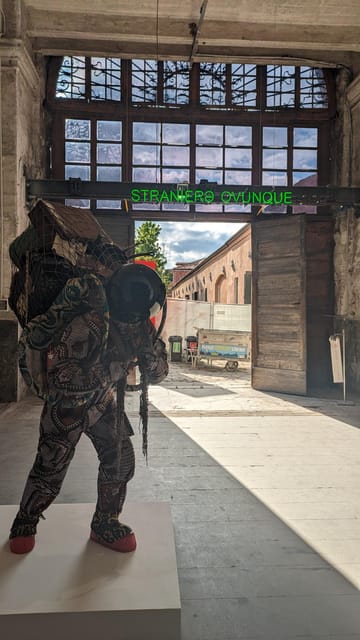
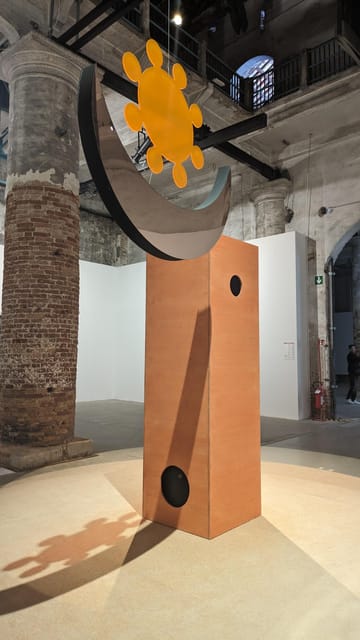
The experience also points to big installations that go outside typical art-viewing boundaries. When installations are large, you often need help reading them. You may want to ask: What is the installation trying to model, not just show? A good guide gives you interpretive handles so you can do more than guess.
The theme thread across everything
Even when pavilions feel unrelated, the tour is built to connect them back to the theme: natural intelligence, artificial intelligence, and collective intelligence. That is where the hour turns into learning instead of scanning.
For architecture lovers, this is the sweet spot. You get the chance to see both the macro context (Biennale scale) and the micro ideas (why a project uses a particular approach).





Natural and artificial intelligence in architecture, what to look for
The theme is not “AI in architecture” in the tech-demo sense. It is more human and more design-forward: how intelligence appears in nature, how artificial systems influence planning or design, and how communities shape outcomes.
When you are walking, try to look for these signals, and your guide can help you label them:
1) How nature is treated as a system, not a backdrop
The Biennale framing suggests sustainability and the role of natural intelligence. Watch for projects that treat climate, materials, or living processes as design constraints or partners.
2) How artificial intelligence shows up in planning or form
Even if you do not see futuristic gadgets, artificial intelligence can appear as decision-making logic, simulation, optimization, or new ways to model design. Ask your guide how the project uses it, and what it is trying to improve.
3) How collective intelligence is implied by the design
“Collectiva” points to shared outcomes. That can be about inclusivity, access, shared resources, or how architecture supports collective living. If a pavilion makes you think about who benefits, you are reading it right.
4) Whether the project is proposing a future or critiquing the present
The experience description says the exhibits challenge contemporary design practices. That means you can encounter projects that push forward, but also ones that argue for restraint or a different set of priorities.
This is where a two-hour guided format helps most. Without context, it is easy to spend time admiring things and leaving with vague impressions. With context, you can walk away with actual takeaways.
Price and logistics, is $162 worth it for a Biennale visit
At $162.00 per person for a 2-hour private guided tour, the real question is what you are paying for. You are not buying a ticket. You are buying selection, guidance, and interpretation.
The tour includes:
- A local top-rated, licensed guide
- A personalized private tour at Giardini OR Arsenale
- Expert insights into the history of the exhibition and the pavilions
- Flexible customization based on your preferences
Not included:
- The admission ticket to the Biennale itself
So is it worth it? For me, it makes sense if you care about understanding what you are seeing. If you just want to stroll and look at buildings, you can do that on your own. But if you want to turn the Biennale into something you understand, you are paying for speed and clarity.
Also, the private group aspect matters. In a crowded public tour, it is hard to ask questions or adjust pace. A private format makes the experience more “talk with an expert” and less “follow the guide and hope.”
Who should book this tour, and who might skip it
This is a strong fit if you want:
- A guided route for the Biennale Architecture 2025 theme
- Time-efficient seeing at Giardini or Arsenale
- A guide who can explain pavilion meaning and exhibition context
- A choice of tour languages, including English, German, Italian, and Spanish
- A private group format where you can ask questions
It might be less ideal if:
- You want to spend most of your time browsing unguided, without structure
- You are planning to see both venues in one go and cannot add the additional time option
- You are okay paying for only general admissions and not a guided interpretation
In practice, it is perfect for architecture enthusiasts and curious explorers who want the Biennale to make sense, not just impress.
Should you book this Biennale Architettura 2025 tour?
If you like your art and architecture with context, I would book it. The biggest reason is not just the theme. It is the guided focus on exhibition history and pavilion meaning, plus the private format that makes the time feel purposeful.
Do it if you want to:
- pick Giardini or Arsenale and get a smart route
- learn how natural and artificial intelligence are framed in architecture
- get help reading national pavilions and large installations without guessing
Skip or consider alternatives if you only want to roam freely or if your schedule depends on seeing both venues inside the same 2-hour window.
FAQ
How long is the Biennale Architettura 2025 guided tour?
The tour lasts about 2 hours. Starting times depend on availability.
Where does the tour start?
It starts at the main entrance at Giardini della Biennale or at the Arsenale venue, depending on the option you choose.
Does the tour include both Giardini and Arsenale in the 2 hours?
No. The 2-hour tour covers either the Giardini or the Arsenale venues. You can arrange a visit to the second venue with an additional two hours.
What is the theme of Biennale Architettura 2025 in this tour?
The tour centers on the theme Intelligens. Naturale. Artificiale. Collettiva.
Is the Biennale admission ticket included?
Admission tickets to the Biennale are not included. You can purchase tickets on-site or online.
What languages is the live guide available in?
The guide can conduct the tour in German, English, Italian, or Spanish.
Is this a private tour?
Yes. It is a private group, and on selected days a small group may be planned.
Is the tour wheelchair accessible?
Wheelchair accessibility is supported. A wheelchair-accessible private tour can be arranged upon request, and you are encouraged to inform the provider in advance about special needs.
What does the itinerary look like?
You visit the visitor center for about 10 minutes, then you take a guided walk through the Venice Biennale exhibition area for about 110 minutes, and you return to the meeting point.
Who provides the tour?
The experience provider listed is Valerio Coppo (Detourist), and the tour is guided by a licensed tour guide.
More Tour Reviews in Venice
Not for you? Here's more nearby things to do in Venice we have reviewed











Venice Art & Museum Tours, compared.
 ★ 4.5Leonardo Da Vinci Museum Entrance TicketFrom $103,560 reviews
 ★ 4.8Vivaldi’s Four Seasons Concert & Music Museum VisitFrom $462,065 reviews
 ★ 3.9Venice Museum Pass & Doge’s Palace Entrance TicketFrom $41769 reviews
 ★ 4.7Natural History Museum Entry TicketFrom $11312 reviews
 ★ 4.4Murano: Glass Museum Entry TicketFrom $11247 reviews
 ★ 4.0Da Vinci Interactive Museum Venice Scuola di San RoccoFrom $10168 reviews
 ★ 4.6Ca’ Pesaro Modern and Oriental Art Museum TicketFrom $11154 reviews
 ★ 4.8Venice, Submarine Enrico Dandolo and Naval History MuseumFrom $30109 reviews
Browse the lists this tour appears in