
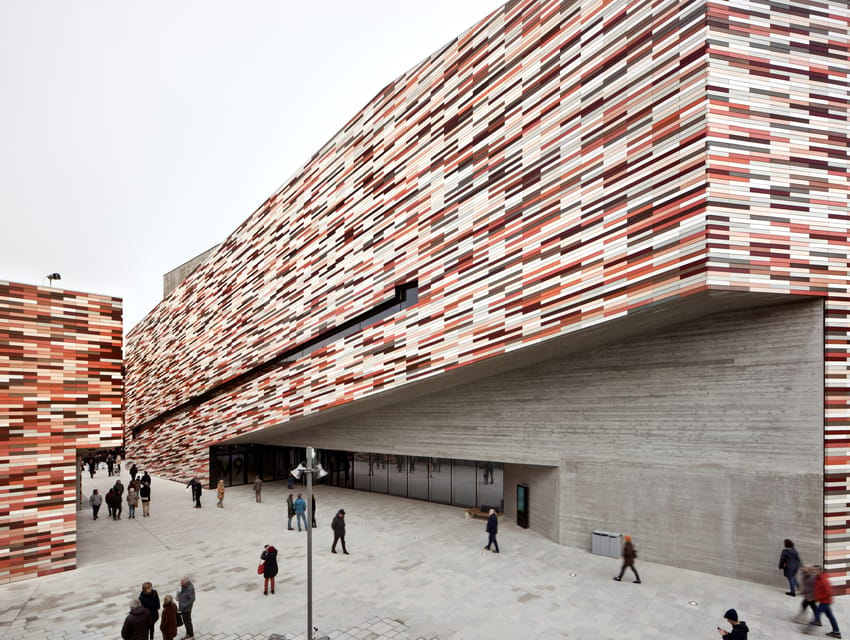
Tour review · VENICE ART & MUSEUM TOURS
Venice Mestre: M9 Museum Permanent Exhibition Entry Ticket
A walk through Italy’s 20th century starts here. The M9 Museum in Venice Mestre turns everyday objects, photos, audio, and video into a clear story of social, political, and cultural change. I especially love how the permanent exhibition is spread across the first and second floors in eight theme sections, so you can choose your path instead of getting lost in a single long crawl. The one thing I would plan around is timing, because the museum is closed on Mondays and Tuesdays, and you really want at least a few hours to see the permanent highlights properly.
If you like museums that feel more like a workshop than a temple of silence, you’ll get it fast here. I also like the technology-heavy approach, with images, audio installations, and videos built to encourage interaction, not just watching. The possible drawback is that temporary exhibitions on the third floor and the event calendar may tempt you to stay longer, but your entry ticket covers the permanent exhibition only.
Key things to know before you go
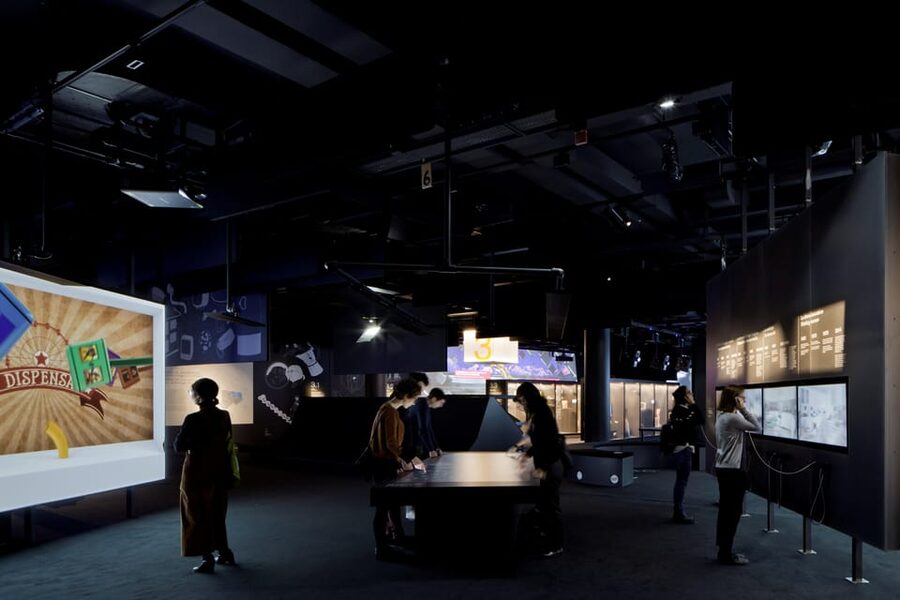
- Permanent exhibition across 1st and 2nd floors in eight theme sections
- Material history focus, using objects and real-world change, not just dates
- Interactive tech storytelling, with audio installations and videos
- Temporary exhibitions on the 3rd floor are separate from your permanent ticket
- Events and a public calendar make it feel active, not static
- Backpacks are not allowed, so pack light for a smoother visit
M9 Museum in Venice Mestre: Why this ticket is worth your time
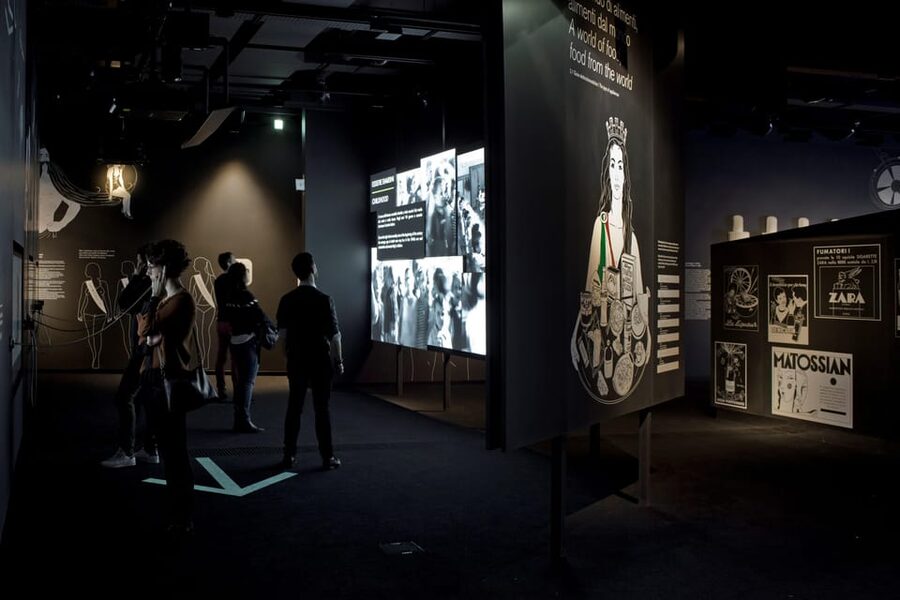
Venice gets all the postcards, but Mestre is where you’ll find a museum that explains the century behind the modern world you see everywhere. The M9 Museum, also listed as M9 – Museo del ‘900, focuses on Italy in the 20th century. And it does it in a way that feels practical, not academic for academic’s sake.
You’re looking at a museum that the organizers describe as a permanent workshop of contemporary life. That framing matters. It nudges you to think about how society changes over time, what people want, what they fear, and how everyday life gets reshaped by politics, economics, and technology. It’s not just a timeline. It’s a set of lenses.
At $14 per person, the value comes from two things. First, the permanent exhibition is substantial and organized across two floors. Second, the museum uses lots of media, so you get multiple ways to understand the same story: you can watch, listen, and read at your own pace. It’s a good use of one day if you’re in the Venice area and want a break from canals and crowds.
Finding the entrance in Mestre, plus what to do when you arrive
Your entry is for the permanent exhibition, and you’ll want to start strong. The meeting point is simple: look for the revolving door entrance. That’s helpful because you’re not guessing your way inside.
Before you go in, manage one small friction point: backpacks are not allowed. If you have a bag, keep it minimal. You’ll move through interactive spaces faster when your hands and shoulders are not wrestling luggage.
The museum is wheelchair accessible, which is also worth noting for planning your route. If you’re using mobility tools, you can move through the space without that constant worry about stairs and tight turnstiles.
Finally, check the day. The museum is closed on Mondays and Tuesdays. If your Venice days include one of those, you’ll need a different plan that day or you’ll have to shift your museum time.
What you actually get with this ticket: permanent exhibition only
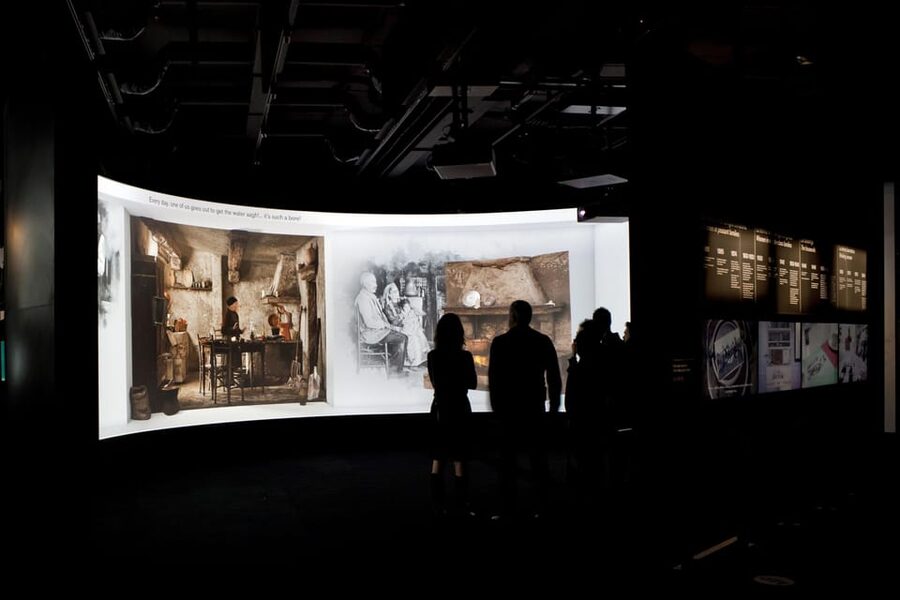
This is the kind of ticket where you should know what it covers, because the museum has layers. Your ticket includes entry to the permanent exhibition. It does not include temporary exhibitions, and it does not include a guided tour.
That doesn’t make the ticket “small.” The permanent collection is the main event here. The museum’s permanent exhibition occupies the first and second floors, and it’s divided into eight theme sections that present 20th-century Italy through cultural and material legacy. In plain terms, you’re not only seeing history, you’re seeing what people made, used, and left behind.
If you love museums where one ticket means you can roam everything, you might feel a bit limited at first. But if you’re the type who prefers a focused plan, this works well. It encourages you to do the permanent exhibition thoroughly, then decide on the third floor based on what your ticket allows and what you’re in the mood for.
How the permanent exhibition tells the story on the first and second floors
The museum’s permanent content is built around the idea that 20th-century change shows up in many forms. The museum highlights demographic, social, political, cultural, environmental, and landscape changes, along with consequences, ambitions, challenges, conquests, threats, and opportunities that shaped Italian history across the last century.
Here’s why that matters for you as a visitor: it gives you an angle. You can focus on how people lived, how governments changed, how culture shifted, and how the environment and land use were affected. Instead of treating “history” like a list of rulers and wars, you get a more human scale.
You’ll also notice the museum leans heavily on technology to guide you. The permanent exhibition uses extensive images, audio installations, and videos, and it uses new technologies to narrate contents and encourage user interaction. So even if you normally skim museum text, you have other entry points: listening zones, video explanations, and visual storytelling.
The museum also has a special way of presenting material history. It’s not just “things from the era.” The approach is closer to experiments and demonstrations. The idea is to show how the physical stuff of the century connects to the social story behind it.
The “workshop” concept: the museum you can think with
M9 is not a traditional museum where you mostly walk past glass cases and stand silently. It’s more like a permanent workshop on contemporary life. That sounds like marketing until you see how the space is organized.
When a museum frames itself as a workshop, it tends to do two things well. It invites you to connect themes across exhibits, and it often makes room for interpretation rather than forcing a single narrative path. In the M9 permanent layout, the division into theme sections helps you build your own route. You can move floor by floor, but you don’t feel stuck in one continuous corridor of the same tone.
I like that the story doesn’t pretend there’s a simple moral. The century includes ambitions and opportunities, but also threats and challenges. That balance makes the museum feel more honest, and it helps you avoid the “everything was inevitable” vibe that some history exhibits can accidentally create.
Interactive technology: what it feels like and how to use it
The museum’s interactive approach is a key reason the experience works for a wide range of visitors. If you’re someone who likes to press buttons and follow prompts, you’re likely to have a good time. If you prefer reading and watching at your own pace, you still have plenty to work with.
You’ll encounter images, audio installations, and videos across the permanent collection. The museum’s design tries to be immersive in the practical sense, meaning you’re not just looking at a display. You’re also listening and engaging with how information is presented.
Here’s a smart tip: don’t try to “finish” everything in one pass. With interactive media, the best plan is to spend extra time in the sections that pull you in. The rest will still feel satisfying because the museum is organized by themes, not by random rooms.
Also, if you want proof this approach lands, the experience has been a standout for real visitors. One recent booking praised the exhibition highlight experience and even called out seeing an exhibition related to artists like Renoir and Monet, which is exactly the kind of multi-media, art-adjacent surprise that can make you slow down and pay attention.
Temporary exhibitions and the third-floor plan
Temporary exhibitions live on the third floor and are distributed across new museum spaces that opened starting in 2021. Your permanent ticket does not include temporary exhibitions, so treat the third floor as optional unless you have separate access.
That optionality can be a plus. It keeps your visit focused if you’re short on time. It also lets you spend your energy on the permanent collection, which is the core story.
Still, temporary content can be worth your attention if it matches what you’re curious about, especially if it adds angles to the museum’s 20th-century themes. Just remember the practical rule: your permanent ticket is for the permanent exhibition. Plan time accordingly so you don’t feel rushed if you decide to check what’s on.
Events and the museum’s role in the neighborhood
M9 doesn’t behave like a closed-off building that only exists for ticket buyers. It acts like an open house for the local area and for Italy more broadly, promoting reflection and action on the present and future.
You can also look for a calendar of events for the general public, plus educational activities for schools, local residents, and the vulnerable. Even if you don’t attend an event, the fact that the museum runs programs changes the tone of the visit. It feels less like a static exhibition and more like an ongoing conversation.
If you’re traveling with teens or older kids, these educational pieces can make the visit more grounded, because the museum is designed to connect historical shifts to real-life consequences. That’s a strong fit for families who want learning without turning it into a lecture.
How long to spend: using your one-day window well
The activity is listed as duration 1 day, and that’s about right. But how you spend that day depends on your style.
If you’re a “scan and select” visitor, you can likely cover most of the permanent exhibition without overthinking it. If you’re the “read, listen, and slow down” type, give yourself more time. The permanent exhibition is spread across multiple theme sections, and the media tools are designed for active engagement.
I recommend you choose a theme or two before you start. Then you let the rest support those themes. That keeps the museum from feeling like too much information in one sitting.
Who this museum is best for (and who might want a different plan)
This ticket is a great fit if you:
- Want a break from typical Venice sightseeing and prefer something grounded in real social change
- Like museums that use media actively, not just walls of text
- Care about how politics, economics, culture, and everyday life connect over time
It may not be your best match if you:
- Want art-only masterpieces in a classic gallery format
- Are traveling with very limited time and only want “one quick stop”
- Prefer guided commentary, since this ticket does not include a guided tour
One more practical note: the museum is wheelchair accessible, but you still should plan for areas with interactive installations where space can get busy. Go in with calm expectations and you’ll enjoy it more.
Price and value: why $14 can feel fair here
At $14, the key question is what you get for that money. Here, you’re not paying for a quick check-in. You’re paying for entry to a permanent exhibition that occupies the first and second floors and is organized into eight theme sections. That’s a lot of structured content.
You also get a technology-forward presentation with images, audio installations, and videos. Media-rich museums cost more to run, and when they’re done well, it saves you mental work. You don’t have to translate everything in your head. The museum gives you multiple channels for understanding.
So while $14 is not “cheap,” it feels reasonable for a full museum experience that’s built around your time. If you’re deciding between a short attraction and a museum like this, you’re likely to find this one sticks longer.
Practical FAQ for your M9 visit
FAQ
Is my ticket valid for just the permanent exhibition?
Yes. Your ticket entry covers the permanent exhibition only.
Does the ticket include temporary exhibitions?
No. Temporary exhibitions are not included with this permanent exhibition entry ticket.
Are guided tours included?
No. Guided tour access is not included.
Where should I enter the museum?
Look for the revolving door entrance as your meeting point.
What days is the museum closed?
The museum is closed on Mondays and Tuesdays.
Can I bring a backpack?
No. Backpacks are not allowed.
Is the museum wheelchair accessible?
Yes, the museum is wheelchair accessible.
What is the price and duration of the experience?
The price is $14 per person, and it’s listed as lasting 1 day.
Should you book the M9 Museum Permanent Exhibition ticket?
I’d book it if you want a smart, media-rich break from Venice that helps you understand the 20th century behind modern life. The permanent exhibition across two floors, with eight theme sections and plenty of interactive tech, makes the $14 price feel fair for a full museum session. If you can plan around closure days and you prefer self-guided wandering, this is a strong pick.
Skip it or look for a different option if you’re hoping for a classic art-gallery experience only, or if you need a guided tour included. Also, pack light, because no backpacks makes the experience smoother.
If you’re in Venice Mestre anyway and you want something with real substance, M9 is one of those places where your brain comes home with more questions, and better ones.
Venice Art & Museum Tours, compared.
 ★ 4.5Leonardo Da Vinci Museum Entrance TicketFrom $103,560 reviews
 ★ 4.8Vivaldi’s Four Seasons Concert & Music Museum VisitFrom $462,065 reviews
 ★ 3.9Venice Museum Pass & Doge’s Palace Entrance TicketFrom $41769 reviews
 ★ 4.7Natural History Museum Entry TicketFrom $11312 reviews
 ★ 4.4Murano: Glass Museum Entry TicketFrom $11247 reviews
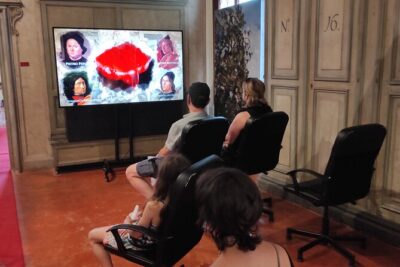 ★ 4.0Da Vinci Interactive Museum Venice Scuola di San RoccoFrom $10168 reviews
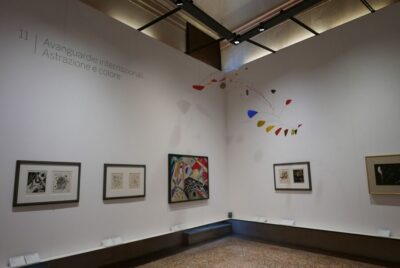 ★ 4.6Ca’ Pesaro Modern and Oriental Art Museum TicketFrom $11154 reviews
 ★ 4.8Venice, Submarine Enrico Dandolo and Naval History MuseumFrom $30109 reviews
Browse the lists this tour appears in