
Tour review · VENICE PRIVATE TOURS
Private Market and Cooking Class with a Real Venetian
Want Venice in your kitchen? Start in San Polo and turn market finds into handmade pasta and a proper 3-course meal.
I especially like two things. First, the hands-on pasta work, where you shape and learn the basics you can actually repeat at home. Second, the market time, including how the chef talks about what looks freshest and why.
One consideration: there is no hotel pickup, so you need to get to the meeting point yourself and commit to a long morning block.
Key highlights you will care about
- Max 10 people keeps the class relaxed and hands-on
- Market first, cook second so you understand what you are using and why
- Chef-led, recipe-included lessons so you can recreate the dishes later
- Three-course meal finish with wine and homemade limoncello
- Venetian food focus with dishes like Venetian risotto and classic snacks
San Polo meeting point and the 9:30 am start
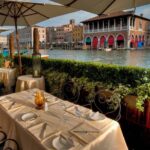
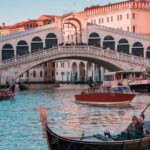
The class starts at 9:30 am at Sestiere S. Polo, 222, 30125 Venezia VE. It is a central spot, and it is near public transportation, so you should not need a complicated plan just to get there.
Since there is no hotel pickup, I suggest you map it the night before. Venice can mess with your sense of distance, and a calm arrival helps you get into the cooking mood faster.
You can also read our reviews of more private tours in Venice

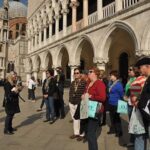
The market walk: where your dinner is really chosen
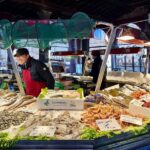
A big part of this experience happens before the kitchen. You meet up and then head into the market rhythm, where the chef explains how Venetians shop with an eye for freshness and flavor.
In the sessions I read about, the market walk often includes fish and produce stalls. One person noted the chef pointed out a range of seafood, from octopus and clams to more substantial fish, plus fruit and vegetables like lemons, ripe tomatoes, and strawberries. That kind of walking matters because it turns ingredients into choices you can understand.
What you learn while walking
You are not just sightseeing while someone else shops. You get guidance on things like:
- what looks best that day
- how seasonal produce affects taste
- how seafood choice connects to the dish you will make later
You also get a chance to ask questions about Italian food. A couple of people specifically mentioned the chef was happy to answer questions and share practical advice, even about what to eat while you are in Venice.
The airy loft kitchen setup, and why small groups help
Cooking happens in an airy loft-style space. The vibe tends to feel casual and friendly, not stiff or showy, and that matters because you will be hands-on.
The group limit is up to 10 people. In practice, that means you are more likely to get direct attention when you are learning pasta technique, and it is easier to chat with your instructor without the room feeling chaotic.
I like that this is structured but not sterile. Music, wine, and conversation show up while you cook, so the time does not feel like a classroom lecture. You also get the sense that the chef is teaching real habits, not just performing steps for photos.
Handmade pasta lesson: the skill you can take home
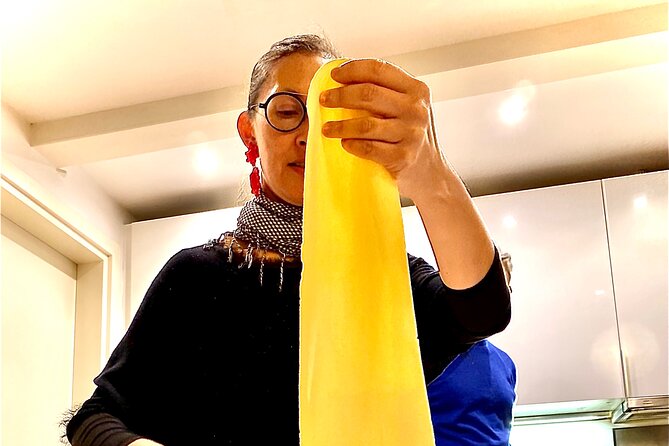
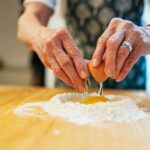
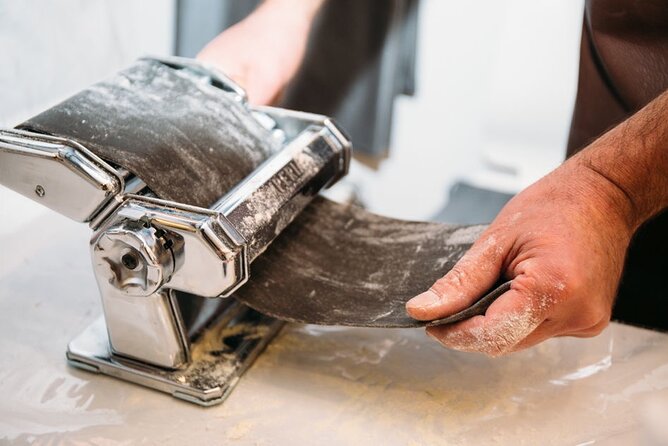
The centerpiece is learning to prepare pasta by hand. One review specifically described learning egg noodle pasta from scratch, and that matches the class promise of real pasta technique, not a shortcut.
Here is what makes this lesson valuable for you. When you learn how the dough behaves, how it should feel, and what shape or thickness works for the dish, you stop treating pasta as magic. Later, when you are standing in your own kitchen, you can diagnose what went wrong and fix it instead of giving up.
You can also read our reviews of more shopping tours in Venice

What to expect during cooking
You will be guided through the process, step by step, and you will also receive recipes. That is a key detail. Recipes make the experience more than a one-time meal, because you can reproduce the same flavors at home instead of remembering it as a vague good time.
Pace is also part of the teaching. With a small group and an experienced instructor, you are not forced to rush. You can learn the steps without feeling like you are behind.
What you cook beyond pasta, with Venetian flavors in mind
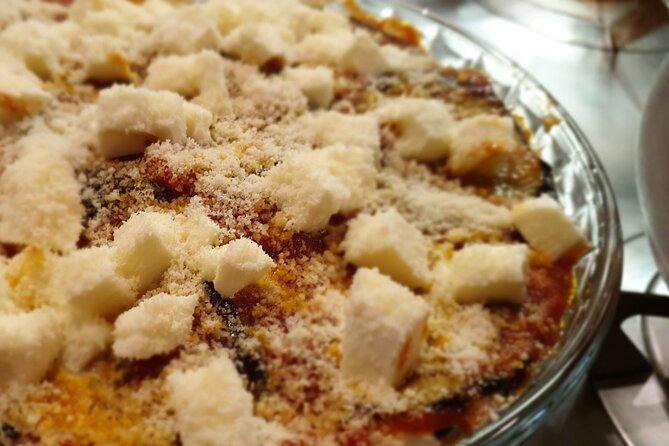
The class involves making three Italian dishes during the session. Dishes can vary by day, but the menu examples point to classic Venetian and Italian comfort food, including eggplant parmigiana and risotto veneziano.
Eggplant parmigiana: comfort food with real structure
Eggplant parmigiana is iconic for a reason. It is layered, saucy, and built on the idea that simple ingredients can become something impressive when cooked with care. In a cooking class setting, it also teaches you how to manage texture, especially with eggplant.
Even if you think you already know parmigiana, cooking it in a Venetian context gives you a new baseline for taste and technique.
Risotto veneziano: what makes it feel Venetian
Risotto in Venice is not just risotto. You learn a Venetian style of risotto with seasonal vegetables. That distinction matters because risotto is where technique shows. You will likely talk about how to build flavor as you go, then balance the final texture so it is creamy, not gluey.
If you want a dish that feels impressive but is not about complicated ingredients, risotto is the move. And since the class includes recipes, you can bring the method home.
The market’s main dish: what freshness changes
Your meal can also include a main course based on what the market offers that day. That is a real advantage of doing this as a class rather than ordering a set menu in a restaurant. When seafood or produce choices change with the season, the plate changes with them too.
Cicchetti and tiramisù: finishing like you live here
This is a full 3-course meal after the cooking. The menu examples include cicchetti and tiramisù, which are two of the most Venetian ways to eat.
Cicchetti: snack culture you can actually use
Cicchetti are those classic bar snacks, the kind you eat casually while socializing. One menu example calls them the starter. That is a smart setup because it gets you into local eating rhythm right away, before you move into the warmer, heavier main course.
Even if you are not bar-hopping your whole trip, learning the idea behind cicchetti helps you order better when you do find a small spot.
Tiramisu: the familiar dessert with Italian credibility
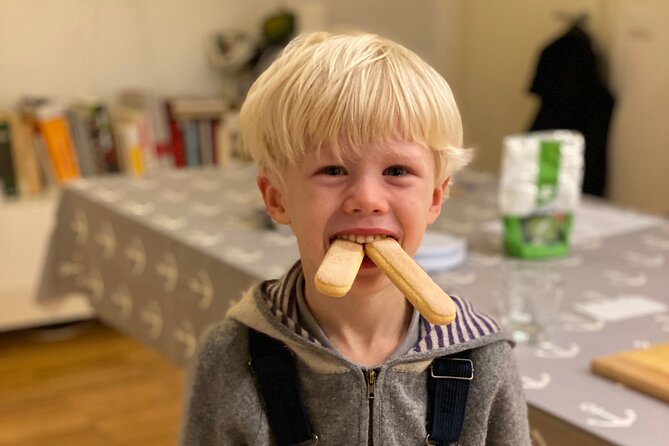
Tiramisù is the dessert in the sample menu, described as a classic recipe tied to a family tradition. The point for you is simple: you end with something widely loved, but done in an authentic, home-style way instead of a generic version.
Wine and homemade limoncello: the best kind of extra
Alcoholic beverages are included, and the experience highlights local wine plus homemade limoncello. If you drink, this part is a treat, but it also adds to the atmosphere. You cook, you eat, you sip, and you relax into Venice instead of treating the city like a checklist.
I recommend pacing yourself. Wine and limoncello are fun, but you still have a full day ahead.
Instructor quality: Chef Lorenzo, Rossana, and the value of real teaching
Several sessions are led by a chef-instructor, and names that show up include Chef Lorenzo and Rossana. Both are described as warm, engaging, and focused on helping people participate.
One review praised Lorenzo for being on time and for being strong on fish and produce market knowledge. Another highlighted Rossana’s patience and clear explanations, including how portions and quantities can change depending on how many people you cook for.
That teaching style matters because it makes you feel capable. You are not left guessing. You leave with a method, and with answers to the questions that usually pop up only after you get home.
Price and value in plain terms
The price is $139.37 per person for about 3 hours 30 minutes. That sounds like a lot until you break down what you get.
You are paying for:
- a guided market experience
- a hands-on cooking class with an instructor
- lunch, served as a structured 3-course meal
- alcoholic beverages
- recipes you can use after the trip
- a small group size that supports real interaction
If you compare it to paying for a private market guide plus a cooking class plus a sit-down meal separately, it starts looking more fair. Also, the market part is not filler. It helps you understand ingredient choices, which improves your next restaurant meal too.
Timing, what to wear, and how to get the most out of it
You start at 9:30 am and you should plan on roughly 3.5 hours total. If you booked this for late morning, build buffer time before and after, especially if you have other plans in Venice later.
Wear comfortable shoes. You will be walking around the market and moving between spaces. Bring a light jacket if it is cool, since Venice mornings can be breezy even when the afternoon warms up.
Come hungry, but also ready to slow down. This is not a rushed food event. The best part is working with the ingredients and learning the process, not sprinting to the meal.
Who should book this class, and who might want to skip it
This class is a great match if you:
- want a hands-on experience, not just watching food go by
- like learning Italian cooking basics you can repeat later
- enjoy markets and want to understand what makes ingredients good
- want a smaller group setting where questions are easy to ask
You might want to skip it if:
- you strongly prefer free-time sightseeing over scheduled activities
- you do not want to cook at all, even briefly
- you are trying to avoid any alcohol on a strict schedule, since wine and limoncello are part of the experience
Quick decision guide: should you book it?
Book it if you want one “Venice thing” that goes beyond photos: market shopping, handmade pasta technique, and a real sit-down finish. The small group size, recipe handoff, and the chef-guided approach give you value that sticks after your trip.
Skip it only if you do not want a structured 9:30 am start or you would rather spend your morning wandering on your own. If your plan includes food, markets, and learning, this is the kind of class that pays you back every time you cook again.
FAQ
What time does the cooking class start?
It starts at 9:30 am.
How long is the experience?
It runs for about 3 hours 30 minutes.
How much does it cost?
The price is $139.37 per person.
Is the class in English?
Yes, it is offered in English.
How many people are in the group?
The class has a maximum of 10 travelers.
What is included in the price?
You get the 3.5 hour cooking class, lunch, and alcohol beverages.
Do they pick you up from your hotel?
No, hotel pickup and drop-off are not included.
Where do I meet the group?
You meet at Sestiere S. Polo, 222, 30125 Venezia VE, Italy.
Is there an extra Venice access fee on some days?
On certain dates, some visitors staying outside Venice may be required to pay a €5 access fee. Check details and exemptions at https://cda.ve.it.
More Shopping Tours in Venice
More Private Tours in Venice
More Tour Reviews in Venice

Not for you? Here's more nearby things to do in Venice we have reviewed

Venice Private Tours, compared.
 ★ 4.7From Venice: Murano & Burano Guided Tour by Private BoatFrom $614,170 reviews
 ★ 4.0Private 3 hrs Venice Tour: St Mark’s, Walking tour & Boat tourFrom $4803,372 reviews
 ★ 3.7Private Gondola Cruise for up to 5 PassengersFrom $1573,106 reviews
 ★ 3.9Private Gondola Ride along Grand CanalFrom $1682,475 reviews
 ★ 4.0Private Best of Venice Walking Tour with St Mark’s BasilicaFrom $2421,063 reviews
 ★ 5.0Private tour on Murano Island: discover the art of Artisanal GlassblowingFrom $108965 reviews
 ★ 3.6Private Gondola RideFrom $85757 reviews
 ★ 4.6Private Tour with a Local GuideFrom $62718 reviews
Browse the lists this tour appears in