
Tour review · TICKETS
Venice: Ticket to Scuola Grande San Giovanni Evangelista
A side door to old Venice can be a real treat. With a ticket to the Scuola Grande San Giovanni Evangelista, you walk through 800 years of art and architecture in a place many visitors skip, even when they know Venice well. I especially love the way the building mixes Gothic structure, Renaissance ambition, and Baroque drama in one visit, and I also like the focus on religious objects that feel more personal than a museum display. One consideration: this is a ticket to see the site itself, not a guided walk, so you may want to bring your curiosity (or plan a separate guide) to get the most out of the art.
The biggest “okay, think about this” moment for me is the pace. You can see a lot in one day, but the best experience comes when you slow down in each hall, letting the space do its job. If you rush, you’ll miss why the staircase by Mauro Codussi feels so monumental, and why the religious pieces matter here. Still, at about $9 per person for a full entry ticket, the value is hard to beat.
Key highlights to watch for
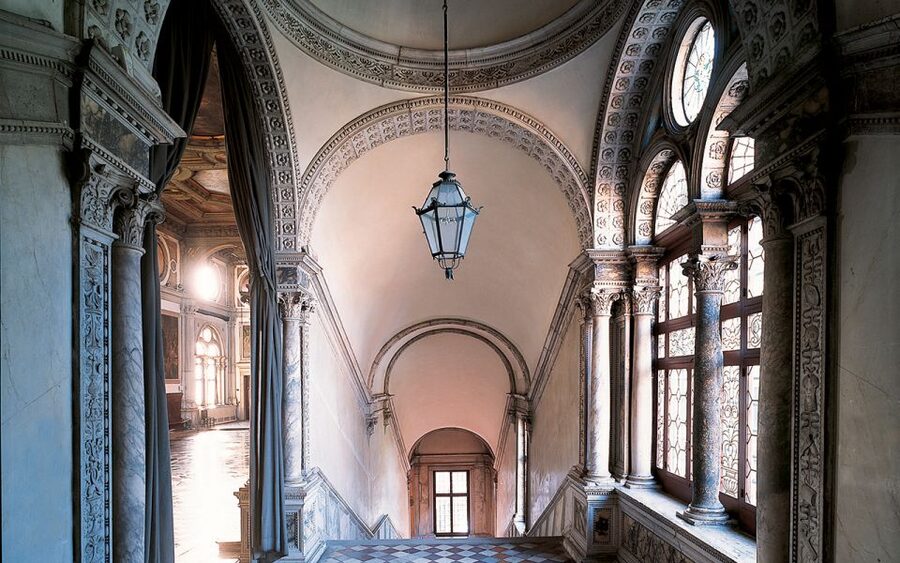
- The Mauro Codussi staircase: a Renaissance climb added in 1498 that makes the building feel alive.
- Gothic Columns Hall: marble and geometry designed for gatherings, not just decoration.
- Chapter Hall Baroque energy: religious art tied to major named painters like Domenico Tintoretto and Giandomenico Tiepolo.
- The marble septum: a physical divider you walk past, which helps you feel how the brothers organized space.
- True Cross relic in the Oratory Hall: a 1369 relic connected to the Cycle on the Miracles of the Cross.
- A quieter kind of Venice: the site is serious about art and faith, not just famous photo spots.
Why this ticket feels like Venice before the crowds
Venice can hit you in waves. There’s the postcard Venice, then the real Venice, then the Venice you discover when you detour. This ticket is all about that detour.
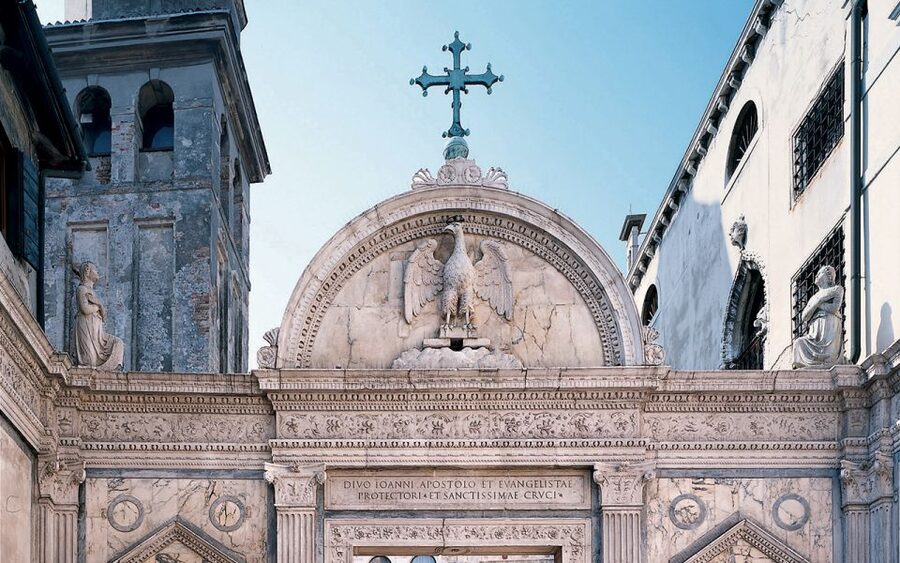
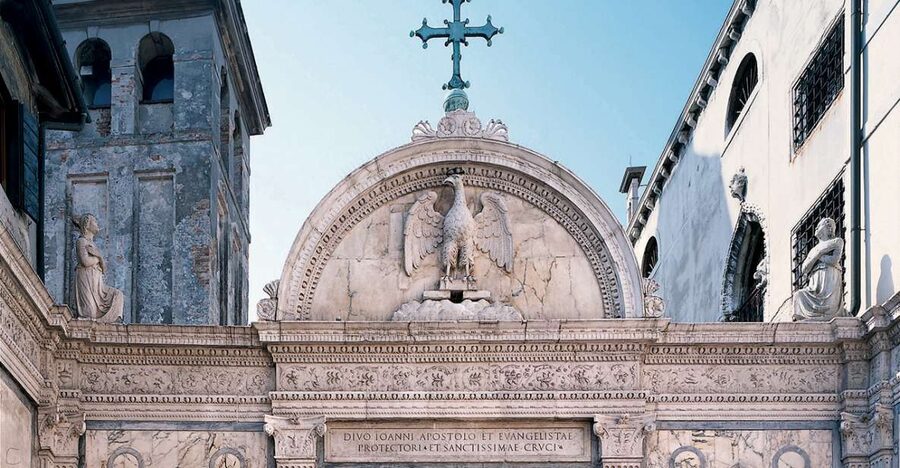
You’re not going to a big, loud cathedral. You’re stepping into an ancient lay brotherhood, a scuola, founded in 1261. That alone changes how the building reads. Instead of thinking, I’m touring a monument, you start thinking, I’m walking through a community space that kept evolving. And that evolution shows up in the art and architecture you’ll see as you move room to room.
I like that this place doesn’t treat the visitor like an afterthought. The reception is described as serious, courteous, and very helpful, and that matters in Venice, where navigating the old streets is half the adventure. Once you’re inside, you can feel the care in the layout, from Gothic halls built for assembly to upstairs spaces meant for contemplation.
A few more Venice tours and experiences worth a look
Finding Scuola Grande San Giovanni Evangelista without a headache
This is one of those Venice tickets that works best when you plan it like a calm stop, not a frantic chase.
Your meeting point is straightforward: show your ticket at Scuola Grande San Giovanni Evangelista di Venezia. Since the ticket is valid for 1 day, you’ll want to check what starting times are available and pick one that fits your day. There’s nothing worse than scheduling a beautiful indoor site when you know you’ll be in late-day fog mode outside.
Language support is listed as Italian and English through the host or greeter. You’re not getting a full guide included, so don’t count on a deep, spoken explanation. But you can still ask basic questions on site, and the fact that staff are described as helpful is a good sign that you won’t be left guessing.
Practical tip: give yourself buffer time to get there. Venice routes can be unpredictable, and you want your head clear before you start climbing and reading the space.
800 years packed into one visit: what you’ll actually see
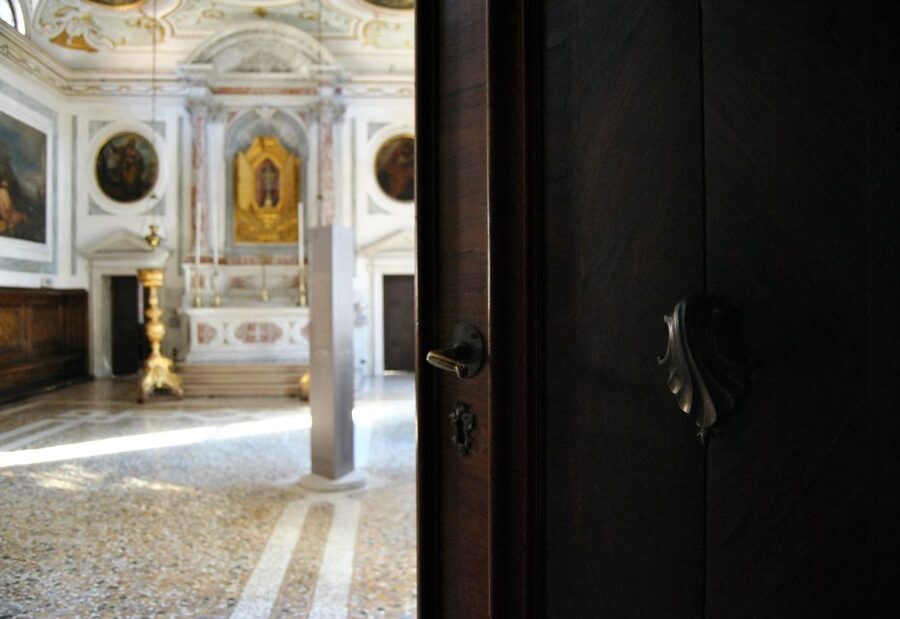
This ticket is built around a sequence of spaces and styles. That’s the smart part. Instead of tossing you into a random collection of rooms, it nudges you along a path where each stop has a different “why.”
Think of it like walking through time while still standing in the same building. The experience is Gothic, then Renaissance, then Baroque, with religious objects that tie the whole story together.
Entering the marble septum, where the space has a job
Right after you enter, you’ll encounter the marble septum. It’s not just pretty. It’s meant to separate and organize, and it helps you understand how the brothers and pilgrims moved through the site.
When I see architectural elements like this, I look for function, not just beauty. A septum is a reminder that this place was built for community life. You can often feel the difference between a space designed for people and a space designed for display.
Gothic Columns Hall: built for assembly, not sightseeing
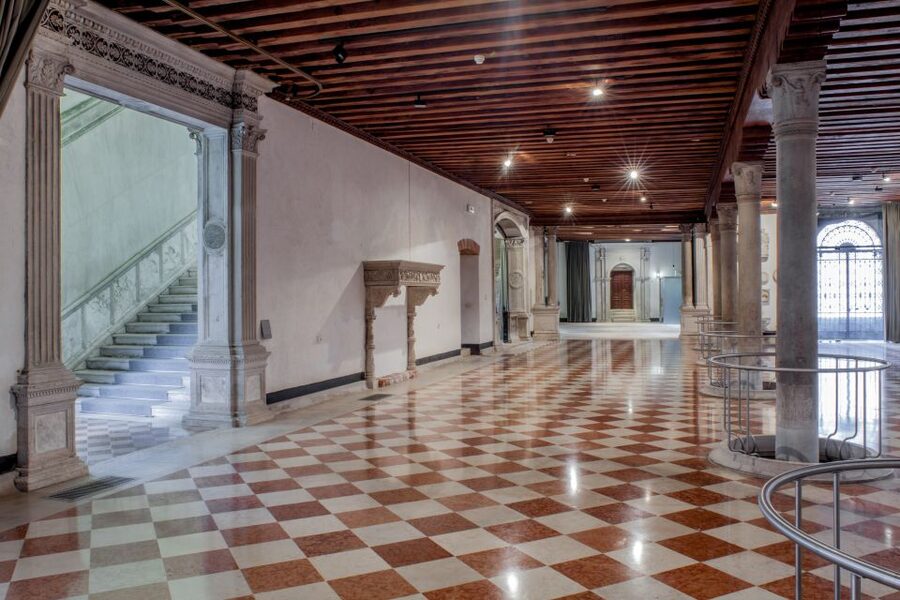
Next comes the Gothic Columns Hall. This is where the architecture starts doing something emotional. Gothic design tends to stretch the eye upward, but here the intent is also social. The hall was intended for welcoming assemblies of the brothers and pilgrims.
So instead of treating it like a photo opportunity, treat it like a room with a purpose. I’d pause in the open space and look at how the columns structure your view. Even without knowing every detail, the layout helps you picture how groups would gather here.
If you like atmosphere, this is one of the best rooms in the ticket. It’s also a good place to slow down, because once you start the staircase, your body will naturally take over the pacing.



Ascending Mauro Codussi’s monumental Renaissance staircase
Now for the moment that many people remember, the ascent of the Mauro Codussi staircase. It’s described as monumental, and the reason is obvious when you start climbing: it’s built to be seen and to make you move through a visual plan.
This staircase was added in 1498, which means you’re not just looking at an older building updated once. You’re seeing a later generation of taste and ambition assert itself inside a structure that already had a long life.
My advice: don’t rush upward and don’t rush your photos. Take a couple of breaths midway. Watch how the light shifts and how the architecture frames your approach to the next hall. Renaissance stairs often feel like design statements, and this one is no different.
Chapter Hall: the switch to Baroque splendor
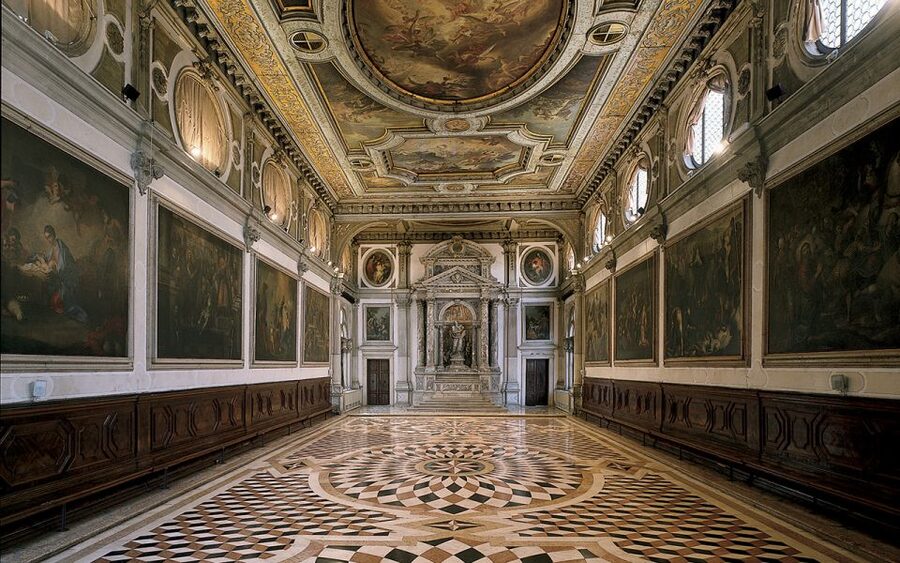
After the staircase, you reach the Chapter Hall. This is where the tone changes again. The hall is tied to Baroque splendor, and it’s where you’ll encounter major named painters connected to the site’s religious storytelling, including Domenico Tintoretto and Giandomenico Tiepolo, with Jacopo Marieschi also part of the experience.
I like Baroque art when it’s not just a style word. It’s about drama, emotion, and persuasion. In this building, that makes sense. A lay brotherhood wasn’t only about worship. It was also about meaning, instruction, and community identity.
If you’re an art lover, take a careful look at how the artworks relate to the room. Even without a guide, the impact comes from seeing art placed in a space that was built to carry messages.
Oratory Hall: the True Cross relic and the story behind it
The final major stop is the Oratory Hall, where you’ll see the relic of the true cross, dated 1369. This isn’t just a name on a plaque. The information notes that the relic inspired the Cycle on the Miracles of the Cross.
What that means for your visit is simple. You’re not only viewing objects. You’re seeing an anchor for a whole narrative tradition tied to faith and belief. Even if you’re not religious, you can still respect why people would have treated this kind of relic as life-shaping.
When you stand in a room like this, it helps to think about what pilgrims came for. They didn’t visit for art-technique trivia. They came because the object represented a promise. That context makes the religious pieces feel less like artifacts and more like part of a lived tradition.
Art names you will actually recognize, and why they matter
You’ll see painters named in the ticket description, including Domenico Tintoretto, Giandomenico Tiepolo, and Jacopo Marieschi. Those names carry weight because they connect you to larger Venetian art currents. But the bigger win here is that you don’t have to travel across the city to feel that connection.
If you’ve already planned time at places like Accademia, you might notice something interesting. One review specifically points out visiting this site even without certain paintings that are now at the Accademia. That’s a useful mindset for you: treat this as its own experience, not a substitute.
This ticket gives you the building context. Seeing art in the architecture that shaped its purpose can change how you respond. A painting in a museum can feel distant. A painting in a space built for assemblies, instruction, and faith can feel closer to why it existed.
How to get the best experience, without a guide included
Because a guide is not included, you get to choose how self-directed you want to be. That’s a plus for some people and a minus for others.
If you’re the type who loves reading labels and looking slowly, you’re going to do great. You can build your own mini-story as you move from Gothic to Renaissance to Baroque.
If you want someone to explain the symbolism and the artistic connections, you have two options:
- Spend extra time on your own in each hall and take notes for later.
- Or add a separate guided activity on another day, so you can keep this stop calm and reflective.
Also, remember that this ticket is priced like an entry pass, not like a full guided program. So the value is in the access to a high-value site, not in spoken interpretation.
Is it worth $9? Here’s how I’d judge the value
At about $9 per person, this ticket is priced like a practical bargain. In Venice, that matters. A lot of worthwhile experiences cost real money, especially when they involve timed entry, special tours, or exclusive access.
Here, you get a full one-day admission ticket to a major historical building with distinct architectural sections and notable art names. You also get something harder to measure: you get to experience Venice through a less crowded lens. One of the strongest review themes is that the site is impressive and merits more attention than it gets. Even without promising you’ll dodge crowds every time, the vibe is clear. This is not built to compete with the most famous squares.
My take: if you have even a small interest in architecture or religious art, this is a high value stop. If you only want the biggest famous monuments, you might find it more “quiet and thoughtful” than “electric.” But for most people, it hits a sweet spot.
Who this ticket suits best
This experience is best if you like one or more of these:
- Architecture transitions: Gothic to Renaissance to Baroque in one coordinated path.
- Art with context: paintings and religious pieces placed in a building that was part of a community.
- Religious relic storytelling: the Oratory Hall and the true cross relic add meaning beyond decoration.
- Venice off the main photo route: it’s a different Venice lens, and that feels refreshing.
It may be less ideal if you hate walking between rooms, want a fully guided narrative, or only want the most famous Venice landmarks in a single day.
Quick reality check: the only real drawback
The biggest drawback is also the simplest one. You’re buying a ticket to enter and explore, not a guided lecture. If you want someone to connect every painter name, object detail, and architectural choice, you’ll need to do that work yourself with signage, or add a guide elsewhere.
The good news: the visit itself is strong without a guide because the building’s physical drama does a lot of the explaining. The staircase, the hall layouts, and the religious spaces speak even when you’re not reading every label.
Should you book this ticket?
I think you should book it if you want a Venice day that feels specific and earned. This is not generic sightseeing. It’s a focused pass into an ancient scuola founded in 1261, where you can see Gothic columns, climb Mauro Codussi’s Renaissance staircase, and end with the true cross relic and its associated story.
Book it especially if you’re the kind of traveler who enjoys slowing down in rooms, letting architecture guide your attention. You’ll leave with the sense that you saw Venice from the inside, not just across the water.
Skip it only if you’re strictly chasing famous headline stops, or if you need a guide to understand every artwork. If that’s your style, consider pairing this ticket with another guided art visit, then enjoy this one as your quiet, art-forward break.
FAQ
How long is the visit?
The ticket is listed as valid for 1 day. The pace is up to you, but you should plan time to move through multiple halls and artwork sections.
Where do I go for the ticket entry?
Show your ticket at Scuola Grande San Giovanni Evangelista di Venezia.
Is a guide included?
No. A guide is not included with this ticket.
What is included in the price?
The Scuola Grande San Giovanni Evangelista ticket is included.
How much does it cost?
The price is listed as $9 per person.
What languages are available?
The host or greeter is listed as Italian and English.
Can I cancel after booking?
Free cancellation is offered, with cancellation up to 24 hours in advance for a full refund.
Can I reserve now and pay later?
Yes, the option to reserve now and pay later is listed.
Are there different start times?
Availability and starting times can vary, so check availability before you choose your time.
More Tickets in Venice

More Tour Reviews in Venice


Not for you? Here's more nearby things to do in Venice we have reviewed






Tickets, compared.
 ★ 4.6Doge’s Palace Reserved Entry TicketFrom $4142,716 reviews
 ★ 4.6La Fenice Opera House Entry Ticket with Audio GuideFrom $1411,742 reviews
 ★ 3.9St. Mark Basilica Ticket, Audioguide+History GalleryFrom $234,780 reviews
 ★ 4.5Leonardo Da Vinci Museum Entrance TicketFrom $103,560 reviews
 ★ 4.7St. Mark’s Basilica & Doge’s Palace Tour with TicketFrom $943,375 reviews
 ★ 4.3Palazzo Contarini del Bovolo Entrance TicketFrom $101,991 reviews
 ★ 4.5Doge’s Palace & St. Mark’s Basilica Tickets + Tour OptionsFrom $811,841 reviews
 ★ 3.4St. Mark’s Basilica Ticket with Audio GuideFrom $361,645 reviews