
Tour review · HISTORICAL TOURS
Tour of Venice between Art, History, Legend and Secrets
Legend in Venice starts with a bridge. This tour strings together art, history, and local legend at the pace of a real neighborhood stroll, with ticketed stops you can actually go into. You also get an art-historian lens on places you may pass quickly on your own.
Two things I especially like: first, the stop-by-stop story format connects each site to something bigger, from devil lore to Marco Polo family patronage. Second, you end in the classic showdown area around Piazza San Marco, but with a satisfying finish at the Prison Palace rather than just sightseeing the postcard views.
One consideration: it is a standing-forward tour in Venice, and even though it is listed around 2 hours, it can run longer depending on questions and pace. If you need a lot of seating, plan ahead.
Key things to know before you go
- Private group feel: only your group participates, so you are not blending into a crowd of strangers.
- Ticketed interiors are part of the plan: every main stop includes admission.
- Marco Polo shows up more than once: you get the childhood house stop plus the trail toward his second home in the story.
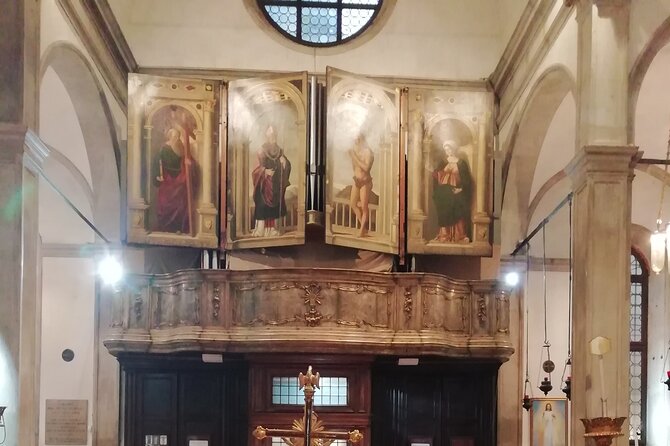
- Church art gets serious attention: you will see work tied to names like Giovanni Bellini, Veronese, and Palma il Giovane.
- A Venice big-square finale: Piazza San Marco plus the Doge’s Palace area, Bridge of Sighs views, and the Prison Palace finish.
Why this Venice art-and-legend walk works (and who it’s for)
Venice is full of sights, but it is not always full of explanations. This tour is built for people who want the why behind what you see, without turning the day into a museum marathon.
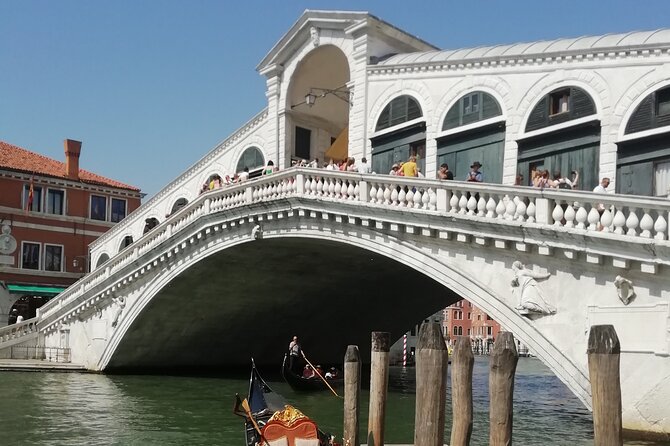
The mix is practical: you start on the famous Rialto Bridge and its famous legend, then move into quieter church interiors where art and patronage stories make sense. You finish at Piazza San Marco and the surrounding power-and-prison zone, where Venice’s polished face meets the consequences underneath.
If you love art history and also enjoy local tales, this is a strong match. You will be happiest if you like walking, taking in buildings up close, and hearing stories that connect one place to the next.
You can also read our reviews of more historical tours in Venice
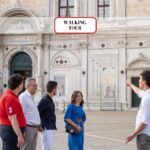
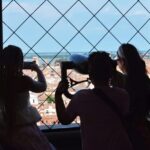
Rialto Bridge and the Devil legend, your first 20 minutes
You begin at Ponte di Rialto, and yes, it comes with that classic devil-built legend. Whether you take it as myth or marketing for medieval imagination, the point is how Venetians used stories to explain big, impressive works.
The timing is short here, about 20 minutes, and it is designed to set your rhythm. You see the bridge as an icon, then you move on before you get bridge-fatigued.
Practical tip: Rialto and the surrounding area can be packed, especially at peak hours. If your group wants photos, arrive ready to move quickly, not linger at every angle.
San Giovanni Crisostomo, Marco Polo’s family money and major art inside
Next is Chiesa di San Giovanni Crisostomo, and this is where the tour gets more focused. The church is described as being built with architectural input attributed to Codiussi, plus financial support from the Marco Polo family. That connection matters because it turns Marco Polo from a name into a real local story.
Inside, you are told to look for prized works by Giovanni Bellini, and especially works attributed to Tullio Lombardo. Even if you are not an art-nerd, the tour’s framing helps you notice details you would normally miss.
The stop runs about 30 minutes, which is a good window for church interiors: enough time to understand the narrative, not so long that your legs revolt.
Casa di Marco Polo, childhood years, and the second-home ending
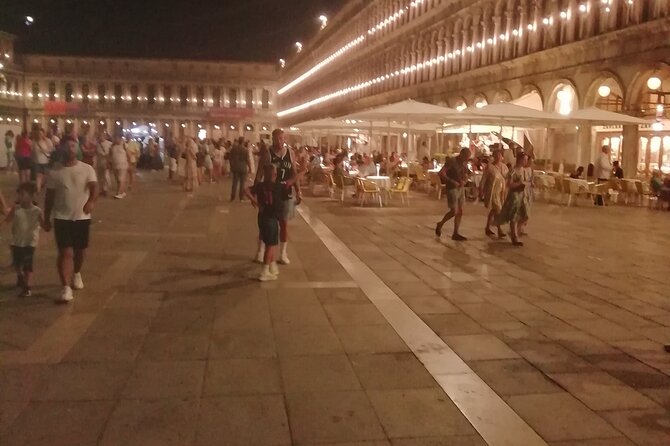
Then you shift to something very concrete: Casa di Marco Polo. This stop focuses on his early life, including the idea that Marco was born there and lived there until about age 12, with his father Niccolò and uncle Matteo later leaving for Katai.
You also hear about his final return and how his life ended in the area associated with his second home, the Corte del Milione, which the tour aims to visit. The value here is that the tour does not treat Marco Polo as a distant traveler. It treats him as a person rooted in Venice, with home places that shaped his later story.
Expect about 30 minutes here. Because this is a key story stop, it is also the one where good questions can slow things down in a good way, especially if you like timelines.
Campo Santa Maria Formosa, one of Venice’s big fields with war behind it
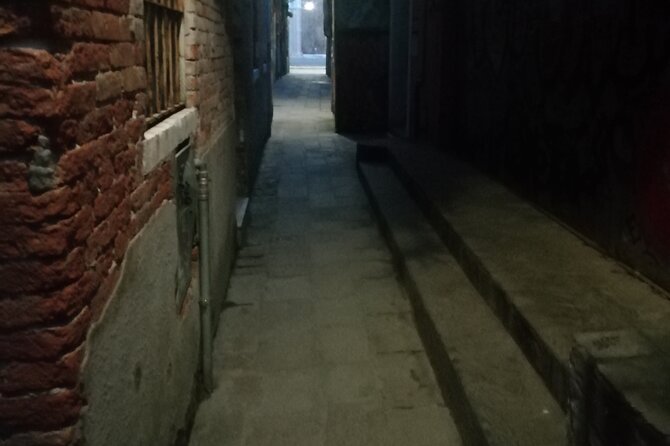
After the intensity of church art and Marco Polo connections, you step into Campo Santa Maria Formosa. The tour frames it as one of Venice’s largest fields and an important cultural center.
What you get out of this stop is a reminder that Venice’s squares were not just scenery. You are told an important episode happened here that helped cause a war against Padua. That kind of detail changes how you see a “just a square” moment. It becomes a place that mattered politically, not just visually.
This segment is brief, about 5 minutes, which makes sense. It gives you a story beat and a quick reset, then moves you toward the next art stop.



San Zulian (Giuliano), gold details and a painter lineup worth catching
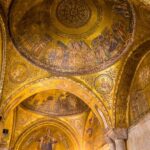
Next is Chiesa di San Zulian, also referred to as Giuliano. This church is presented as unique for both its gold works and the presence of major painters associated with the space.
You will hear names including Veronese, Giovanni Bellini, and Palma il Giovane. Even if you only recognize one or two names, the tour helps you see the church as a meeting point of artists and patron taste, not just an old building.
Plan for about 15 minutes. That is not long, so keep your attention sharp during the explanations. This stop rewards listening, not wandering.
Piazza San Marco to the Prison Palace, where Venice turns dramatic
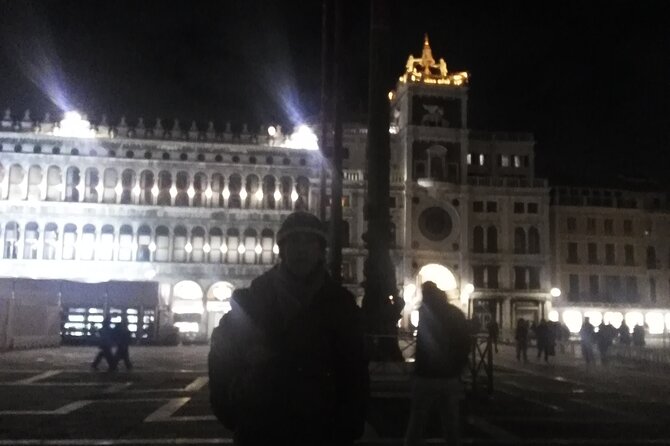
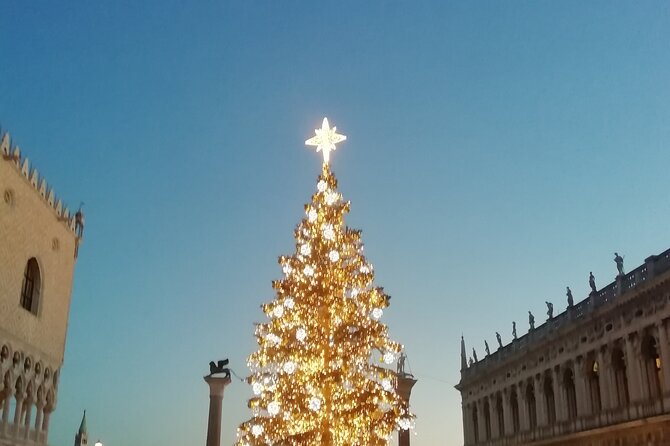
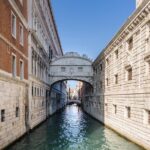
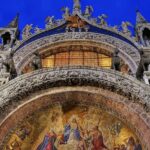
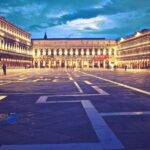
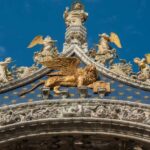
Finally, you end at Piazza San Marco, one of those places that feels like it has its own soundtrack. The tour positions it as a final walk where you can admire the Basilica, the Bell Tower, plus the Doge’s Palace and the Bridge of Sighs area.
What I like about the ending is that it does not stop at the beautiful shell. The tour concludes at the Prison Palace, which makes the experience feel more complete. You leave with both the glamour and the consequence in the same arc.
This last stretch is about 10 minutes. It is a quick finish, so be ready to look up, look around, and accept that you will not capture every angle in a short window. The goal is perspective, not perfection.
Price and value: what $83 buys you in real terms
At $83 per person for about 2 hours (listed), this is priced like a focused, ticket-included tour rather than a free-form walk. The big value point is that admission tickets are included for every main stop you enter.
You are not paying extra one-by-one for churches and museum-type spaces, and you are getting a guided thread that links places together. In Venice, that matters. Otherwise, you spend your time bouncing between sights without any consistent story glue.
One more value angle: the tour is private, meaning your group stays together. That can make it feel calmer, and it usually leads to a better Q and A flow with the guide, especially when you have art-history questions.
Heads up on time: the itinerary is listed as about 2 hours, but pacing can stretch, and I recommend planning around closer to 3 hours if you want a slower, more conversational experience.
The guide factor: when art history becomes human
Some guides can recite dates and call it a day. This one is described with an art-history perspective that goes beyond class notes, and that changes the vibe fast.
You may even hear the guide name Alessandro, who is credited with being enthusiastic and enjoyable, plus steering the tour through spots that feel a bit off the main crush. That matters if you already know the headline sites and want a more story-driven route.
If you like learning facts, great. If you just want a clearer Venice map in your head, a good guide still delivers. It is like turning on subtitles for your surroundings.
Logistics in Venice: meeting point, standing time, and how to enjoy it
You start at Campo San Bartolomio, and you end at Piazza San Marco near the Clock Tower. That end point is convenient if you want to keep wandering on your own afterward, because you are dropping right into the classic center.
Two small practical realities:
First, Venice is mostly standing and walking. One clue from past experiences is that there may be limited or no seating along the way, so keep that in mind if your legs need frequent breaks.
Second, the tour moves through multiple indoor stops. If you hate waiting in lines, go with the expectation that the tour is timed to admission access, but you still may face brief transitions.
Reliability note: since this is a scheduled, guided experience, I recommend building a small buffer on arrival time. If you reach the meeting point and something seems off, use the contact details from your booking confirmation right away instead of waiting out the clock.
Who should book this Venice tour, and who might want a different plan
Book it if:
- You want art, legend, and history connected by a single storyline.
- You like church interiors, especially when names like Giovanni Bellini, Veronese, and Palma il Giovane are part of what you will see.
- You are curious about Marco Polo as a Venice-rooted figure, not just a distant explorer.
Skip it or consider something else if:
- You need lots of sitting during tours.
- You only want outdoor views and iconic skyline photos, because several stops are inside churches and the experience depends on listening and walking.
- Your schedule is extremely tight, since the tour can run a bit longer than the approximate listing time.
Should you book this tour?
I think it is a smart choice if you want a guided Venice that feels like a story you can remember, not a checklist you forget. The ticketed interiors plus the art-and-legend framing make the value feel practical, especially for the price point.
If you are mainly chasing photos and you do not care about context, you may find it too structured. But if you enjoy explanations and want to understand why Venice’s legends and patronage matter, this is the kind of tour that makes the city click.
FAQ
How long is the Venice tour?
The tour is listed at about 2 hours (approx.).
Where does the tour start and end?
It starts at Campo San Bartolomio, 30124 Venezia VE, Italy. It ends at Piazza San Marco, near the Clock Tower.
Is admission included for the main stops?
Yes. Each listed stop includes an admission ticket, and the experience is described as all inclusive.
Is this a private tour?
Yes. It is a private tour/activity, and only your group participates.
What language is the tour offered in?
The tour is offered in English.
Do I need to pay an extra fee in Venice on some dates?
On certain dates, day visitors staying outside Venice who plan to visit for the day may need a €5 access fee. You should check the official details and exemptions at https://cda.ve.it.
More Historical Tours in Venice
More Tours in Venice


More Tour Reviews in Venice


Not for you? Here's more nearby things to do in Venice we have reviewed


Historical Tours, compared.
 ★ 3.9St. Mark Basilica Ticket, Audioguide+History GalleryFrom $234,780 reviews
 ★ 4.5Venice’s Best: Basilica, Doge’s Palace, Gondola & History GalleryFrom $1292,478 reviews
 ★ 4.2City Center Historical Guided Walking TourFrom $141,873 reviews
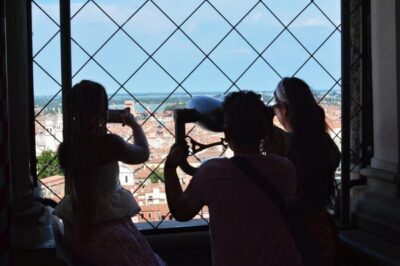 ★ 4.3Bell Tower & St Mark’s Square History Gallery TicketFrom $44910 reviews
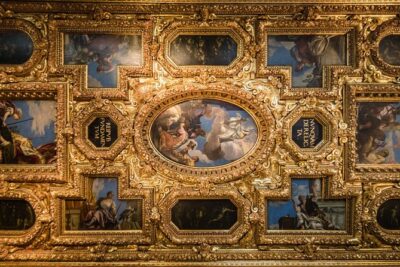 ★ 5.0Basilica, Doge’s Palace, History Gallery & Bell Tower OptionFrom $116586 reviews
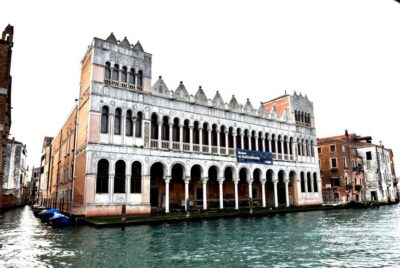 ★ 4.7Natural History Museum Entry TicketFrom $11312 reviews
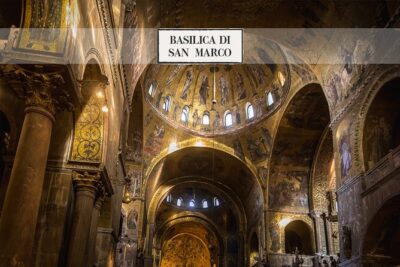 ★ 3.5St. Mark’s Cathedral Priority Guided Tour & History GalleryFrom $33148 reviews
 ★ 4.8Venice, Submarine Enrico Dandolo and Naval History MuseumFrom $30109 reviews
Browse the lists this tour appears in