
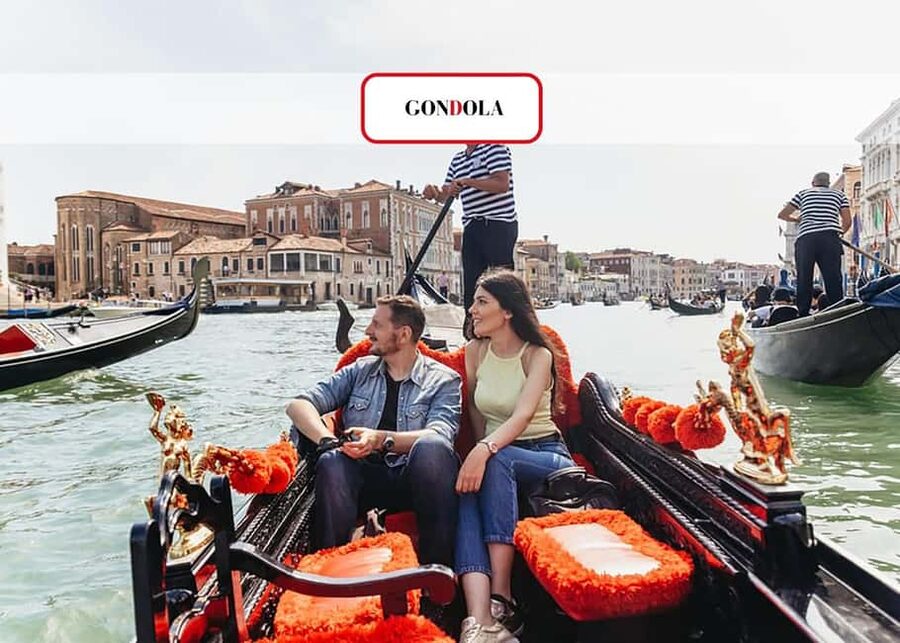
Venice, one bridge at a time.
Choose a gondola that slips into the back canals, enter San Marco before the queue builds, or cross the lagoon for glass, colour and a slower afternoon.
Start with the experiences that define the city.
San Marco gives Venice its ceremony, the Grand Canal its scale, and the smaller waterways their quiet. These are the bookings that earn time in a first visit.
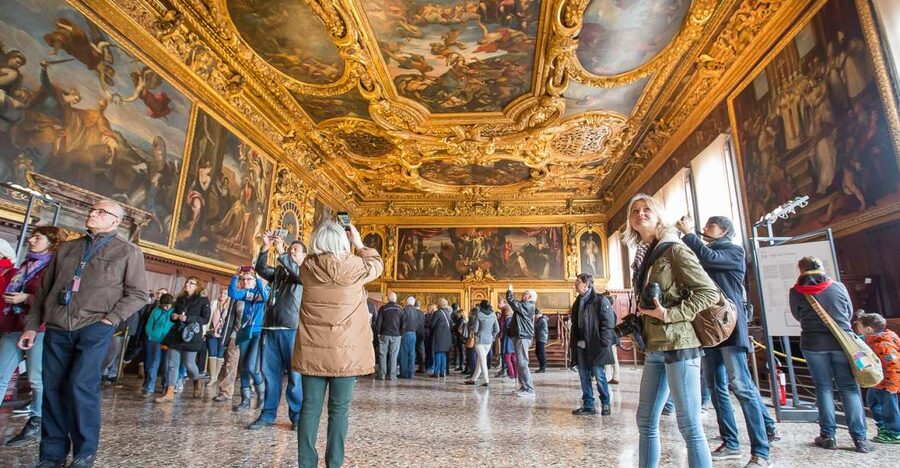
Doge’s Palace Reserved Entry Ticket
Skip the line to Doge's Palace and cross the Bridge of Sighs, plus entry to Museo Correr, the Archaeology Museum, and Biblioteca Marciana.
From $41 per person
Read the review → ★ 4.1Books out fastGrand Canal by Gondola with Live CommentaryFrom $4413,681 reviews
 ★ 4.6First-trip favouriteLa Fenice Opera House Entry Ticket with Audio GuideFrom $1411,742 reviews
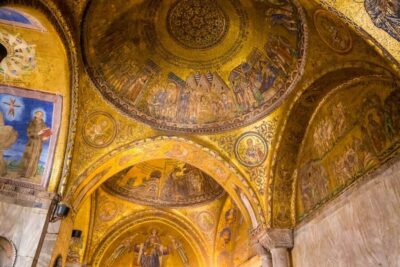 ★ 4.7Small-group optionDoge’s Palace & St. Mark’s Basilica with Terrace Access TourFrom $12310,697 reviews
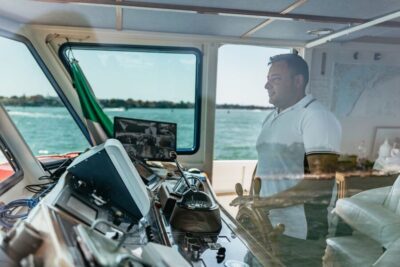 ★ 4.4Lagoon dayBurano, Torcello & Murano Boat Tour w/GlassblowingFrom $2810,245 reviews
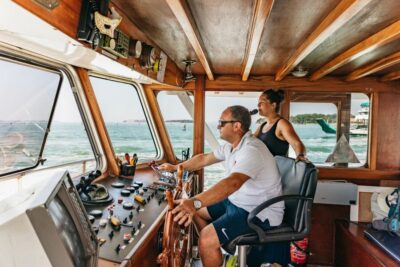 ★ 4.2Easy choiceMurano and Burano Boat Tour with Glass Factory VisitFrom $349,527 reviews
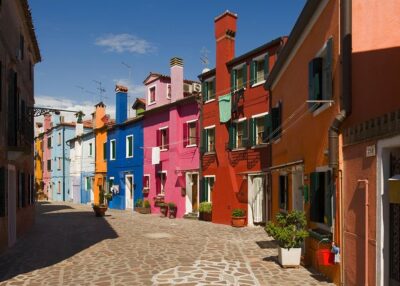 ★ 3.5Local classicMurano, Burano and Torcello Half-Day Sightseeing TourFrom $257,928 reviews
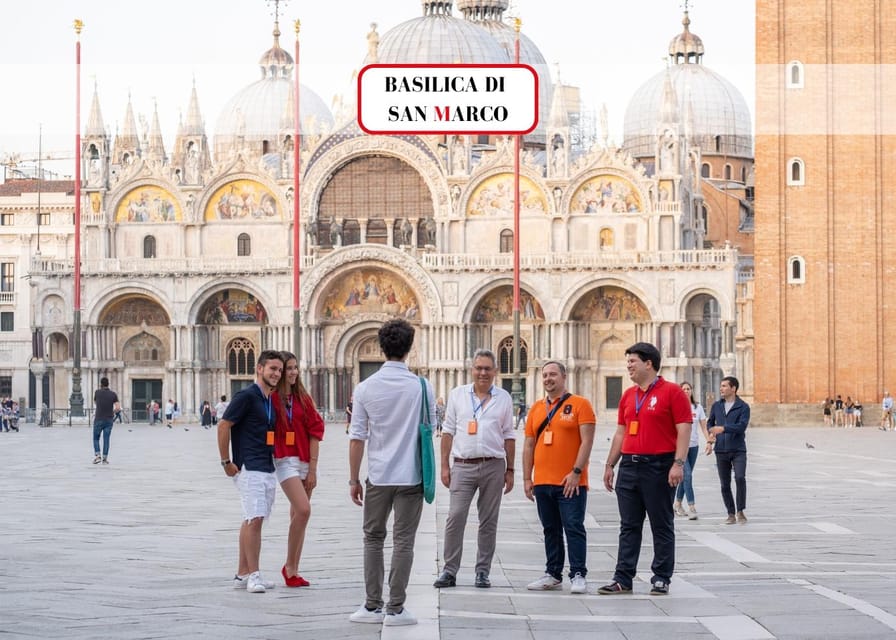
Gold mosaics, state rooms and the Bridge of Sighs.
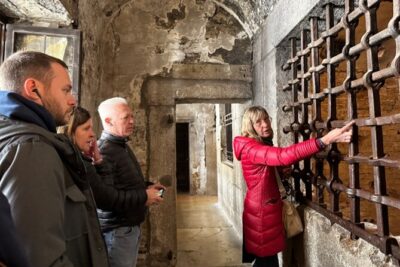
St Mark’s Basilica and the Doge’s Palace sit together but run on different tickets and rhythms. Early access protects the mosaics from the busiest hour; specialist palace routes add prison passages and rooms a standard entry misses.
Which Venice belongs on the boat?
One route is intimate, one opens the lagoon, and one trades romance for range. Choose by the water you want to see.
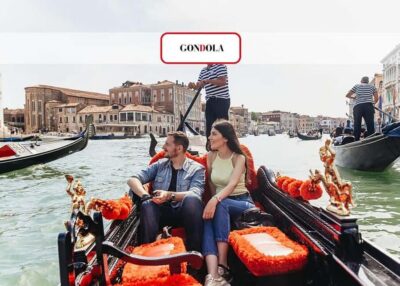 Quiet canals
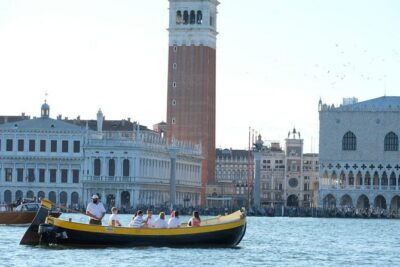
The gondola
from $39 · 18,908 reviews
Pick a private boat for control over pace and route, or a shared seat when the classic experience matters more than exclusivity.
Compare gondola rides →
Quiet canals
The gondola
from $39 · 18,908 reviews
Pick a private boat for control over pace and route, or a shared seat when the classic experience matters more than exclusivity.
Compare gondola rides →
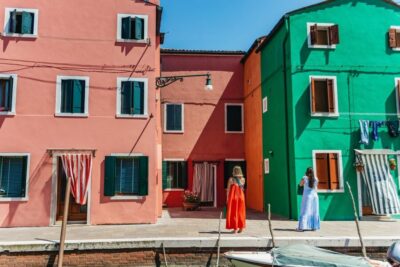 Half or full day
The lagoon islands
4.5 - 5.5 hours · from $29 · 15,699 reviews
Murano brings the furnaces, Burano the colour and Torcello the open lagoon. The real difference is how long the timetable leaves ashore.
Plan an island day →
Cover more water
The small boat
4.5 - 5.5 hours · from $29 · 15,699 reviews
A motorboat reaches islands and waterside palaces that a gondola cannot cover in one outing. Passenger count shapes the day.
See boat tours →
Half or full day
The lagoon islands
4.5 - 5.5 hours · from $29 · 15,699 reviews
Murano brings the furnaces, Burano the colour and Torcello the open lagoon. The real difference is how long the timetable leaves ashore.
Plan an island day →
Cover more water
The small boat
4.5 - 5.5 hours · from $29 · 15,699 reviews
A motorboat reaches islands and waterside palaces that a gondola cannot cover in one outing. Passenger count shapes the day.
See boat tours →
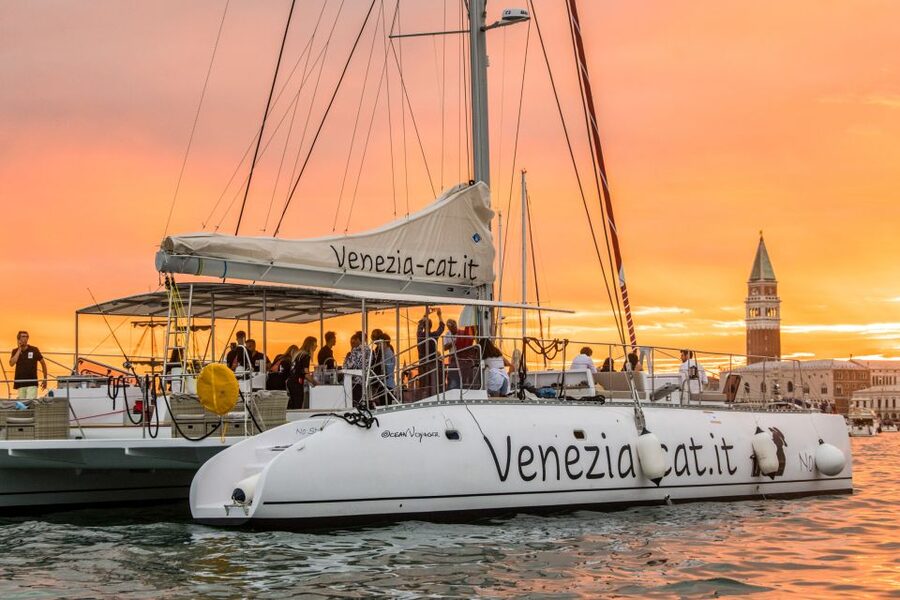
Venice gets quieter when the light turns blue.
Take the lagoon at sunset, hear Vivaldi in a church, or follow a local through cicchetti counters in Cannaregio. Evening is when the city stops feeling like a queue.
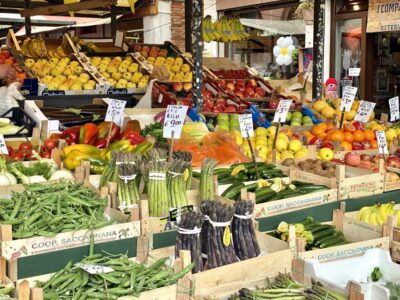
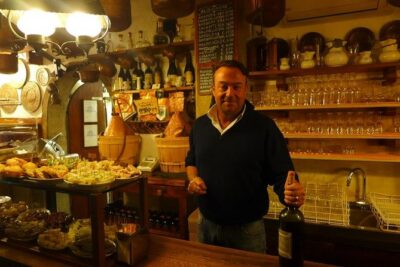
Cicchetti, market counters and a glass poured standing up.
Venice food tours work best when they move beyond a single tasting room. Rialto brings the market; Cannaregio and San Polo bring the small bars that make an evening.

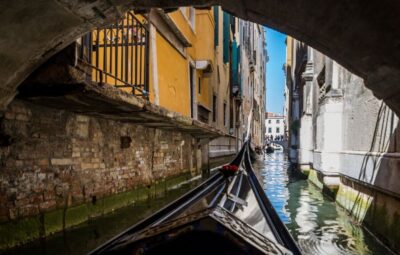
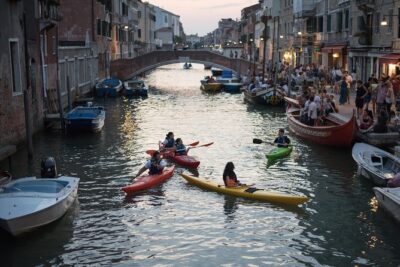
Paddle, cruise or let the gondolier steer.
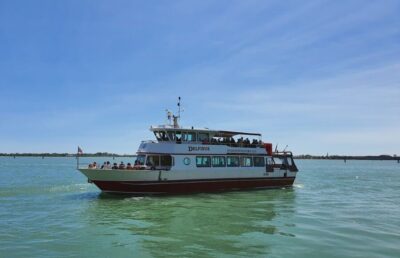
Kayaks suit the quieter canals, small boats take the lagoon, and gondolas stay close to the city’s stone edges. Each reveals a different scale.
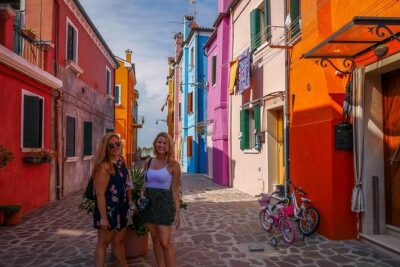
Leave San Marco by the first quiet lane.
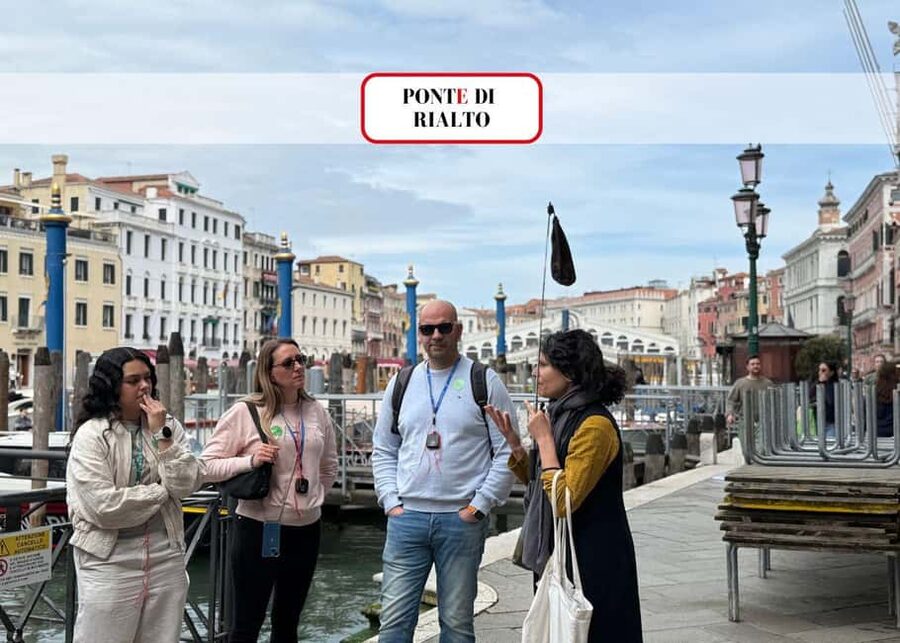
Cannaregio’s Jewish Ghetto, artisan workshops, tiny campi and residential canals show the city between its landmarks. Small groups matter here because the best routes are narrow and specific.
Choose a side of the lagoon.
San Marco for ceremony. Rialto for the market. Cannaregio for lived-in Venice. Murano for fire and glass. Burano for colour.
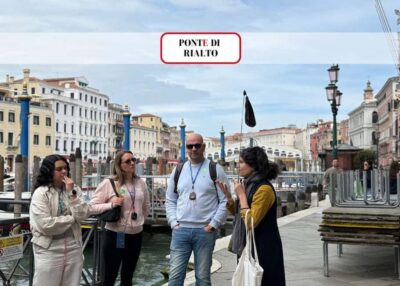
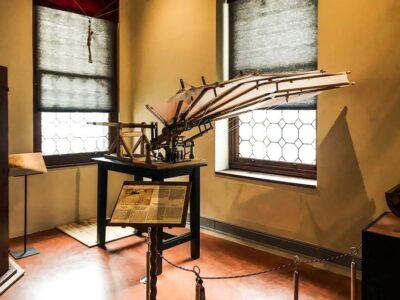
What kind of Venice day is it?
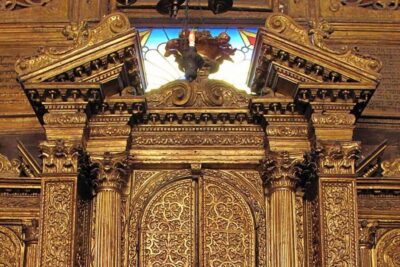
Walk, taste, listen, make, photograph or get onto the water. Start with the pace you want.
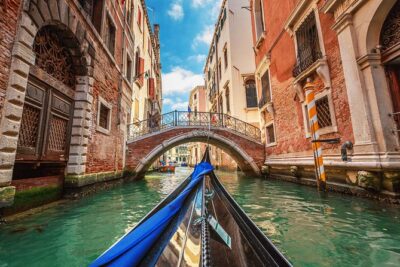
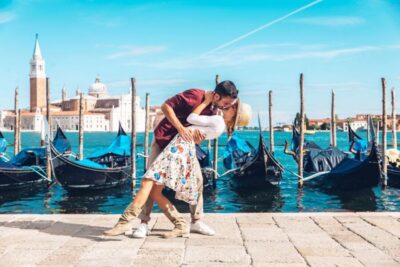
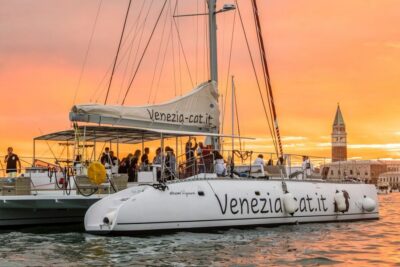
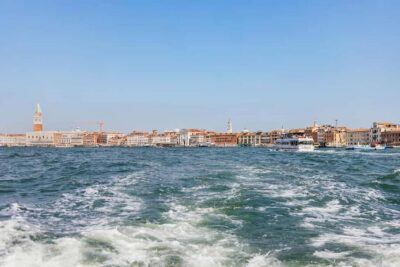
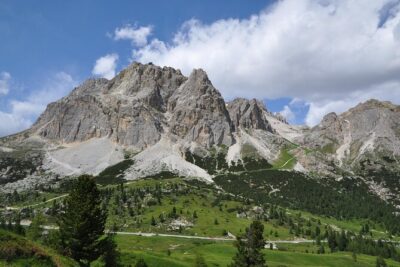
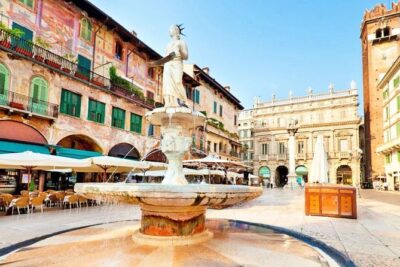
Trade canals for peaks, vineyards or Verona.
The Dolomites make the longest, sharpest change of scenery. Prosecco brings the gentler road through vineyard hills. Verona adds Roman stone and an easy city day.
Three days in Venice, in a useful order.
Start with the landmarks, give the lagoon a full day, then return to the city for its quieter stories and evening tables.
 Day 1
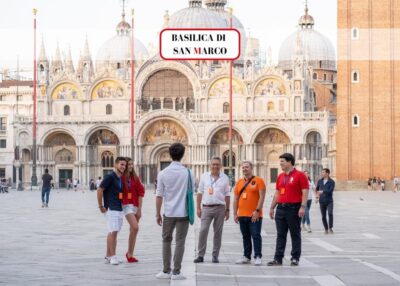
San Marco before the queueEnter the basilica or palace early, cross Rialto after lunch, then save a gondola for softer evening light.Plan day one →
Day 2
Murano, Burano and open waterGive the lagoon enough time for a glass studio, Burano’s lanes and a boat ride that is not racing the clock.Plan day two →
Day 1
San Marco before the queueEnter the basilica or palace early, cross Rialto after lunch, then save a gondola for softer evening light.Plan day one →
Day 2
Murano, Burano and open waterGive the lagoon enough time for a glass studio, Burano’s lanes and a boat ride that is not racing the clock.Plan day two →
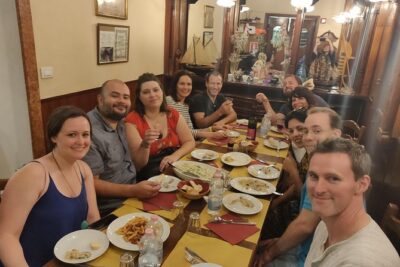 Day 3
Cannaregio, art and cicchettiWalk beyond the postcard, choose one museum or specialist story, and let a bacaro route take care of dinner.Plan day three →
Day 3
Cannaregio, art and cicchettiWalk beyond the postcard, choose one museum or specialist story, and let a bacaro route take care of dinner.Plan day three →
Latest Venice Tour Reviews
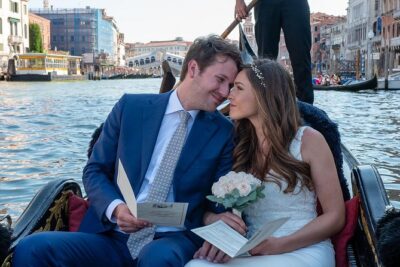 ★ 4.5Renew your wedding vows on a romantic gondolaFrom $9143 reviews
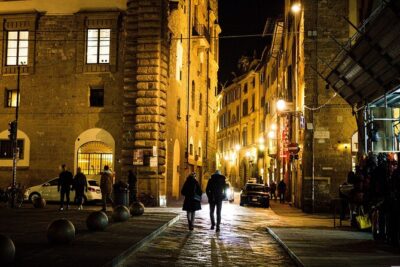 ★ 5.0Private Transfer from Venice to Florence, 2h of sightseeingFrom $5293 reviews
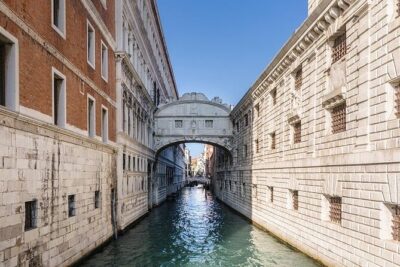 ★ 5.0Venice Walking Tour with Gondola Ride ExperienceFrom $693 reviews
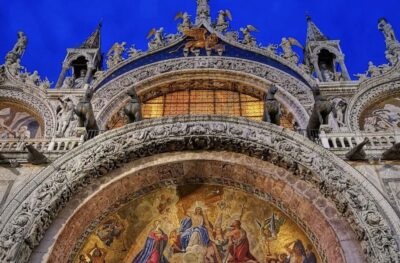 ★ 5.0Saint Mark’s Basilica Private Tour at NightFrom $1413 reviews
Venice Historic Walk: the city, its architecture and traditionsFrom $753 reviews
★ 5.0Saint Mark’s Basilica Private Tour at NightFrom $1413 reviews
Venice Historic Walk: the city, its architecture and traditionsFrom $753 reviews
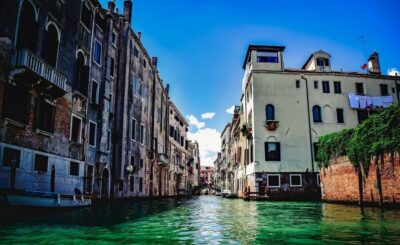 ★ 4.3Private Venice Walking Tour and Gondola RideFrom $2623 reviews
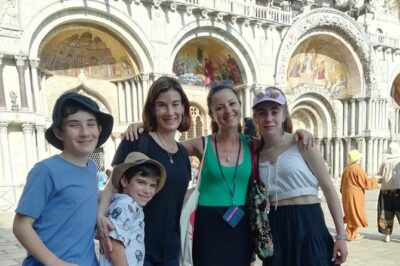 ★ 5.0Guided Sightseeing Tour of Venice Highlights for Kids & FamiliesFrom $2803 reviews
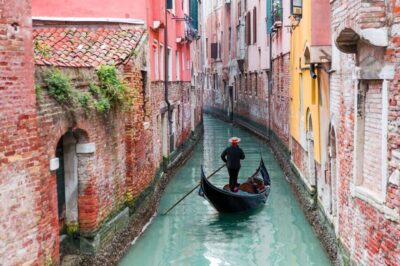 ★ 5.0Private Walking Tour with Saint Mark’s BasilicaFrom $1343 reviews