
Tour review · HIDDEN VENICE TOURS
Tour of The Real Hidden Venice
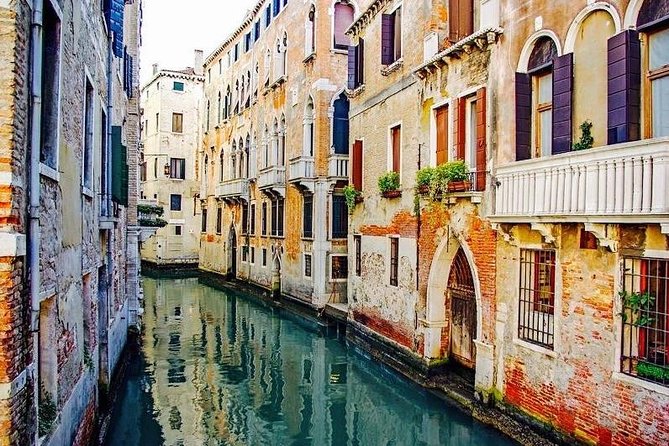
Venice feels like a maze, but this walk makes sense of it. You start in calmer Cannaregio, cross into the Jewish Quarter, and land at Rialto Bridge with stories that connect street life to big moments in Venice’s past. Along the way you’ll hear why certain squares and buildings got their names, and you’ll see canals and bridges that most first-time itineraries skip.
I love how this tour uses a small group format, with a maximum of 15 people, so the guide can answer questions without rushing you. I also like that the route blends famous sights with everyday Venice, including canal neighborhoods, a working gondola workshop area (Squero dei Muti), and local trade history near Rialto.
One drawback to plan for: this is a walking tour with moderate physical fitness needed, and you will spend time standing still for stories and views, not just moving nonstop.
Key things I’d focus on before you go
- Start in Campo San Geremia in Cannaregio, a scenic square with a quirky, comic backstory tied to daily life
- Step into the Ghetto Ebraico area and learn what the word ghetto points to in Venice
- See Tintoretto’s connection at Chiesa della Madonna dell’Orto, plus a look at the original floor area in front of the church
- Spot the Camel House legend at Palazzo Mastelli del Cammello, a facade people talk about for a reason
- Pass Squero dei Muti, an old gondola factory stop for a different Venice angle
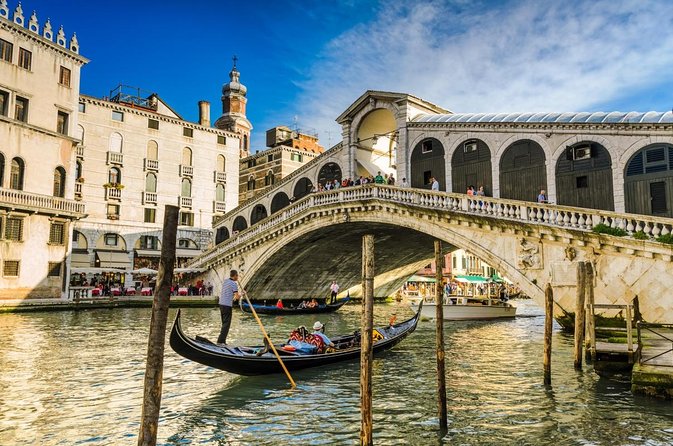
- Finish at Rialto Bridge, then you’re placed perfectly to keep exploring nearby on your own
Why this “hidden Venice” route works (and why it saves your energy)
Venice works best when you stop thinking of it as one big sight. It’s really a pile of connected neighborhoods, each with its own rhythm. This tour is built around that idea, starting away from the busiest lanes and moving toward Rialto at the right pace.
You also get a time advantage. You spend about 2 hours on foot, but you end at the center of the city’s gravity point, so your afternoon plans stay easy. You won’t feel like you blew half a day just to reach one postcard view.
The price is $47.16 per person for a guided, mostly low-cost route with local taxes included, plus a city map. For Venice, that’s solid value because you are paying for interpretation, not just walking past buildings.
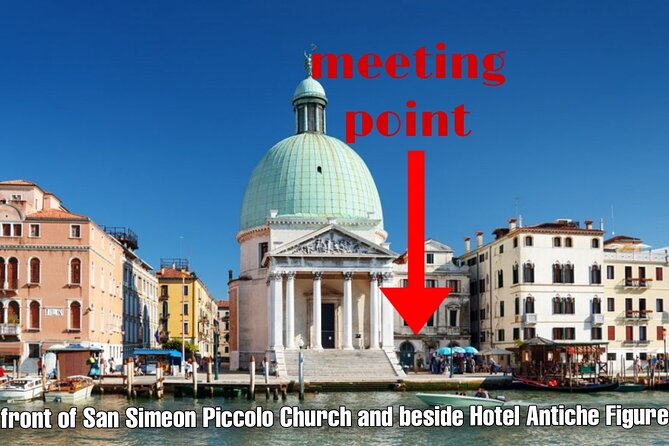
And one more practical detail that matters in Venice: meeting at Hotel Antiche Figure keeps things simple. It’s in the Santa Croce area on Fondamenta San Simeon Piccolo, and it’s near public transportation.
You can also read our reviews of more tours and experiences in Venice.


Campo San Geremia, the quiet square with the funny side
Your tour begins at Campo San Geremia in Cannaregio. This is the kind of square that feels made for watching life pass, not sprinting through sights. You’ll start with a short orientation, and then your guide brings the place to life with the square’s unusual and comic history.
Campo squares in Venice can look similar from far away, but they aren’t. Guides often use the first stop to teach you how Venetian space works: where people pause, where routes funnel, and how daily life shapes the city’s layout. If you want Venice to feel navigable by day two, this kind of start helps.
You’ll also get an early taste of what makes this tour different: the route aims for calmer bridges and quieter canals rather than the usual high-traffic corridors. It’s a relief, especially if you arrive hungry for calm and not just crowds.
What to watch for here
Look for the view from the bridge crossing near the area where the tour starts. It’s a quick “Venice is real” moment, and it sets you up to notice details later, like how canal crossings frame neighborhoods.
Crossing into the Ghetto Ebraico, and learning what a word means
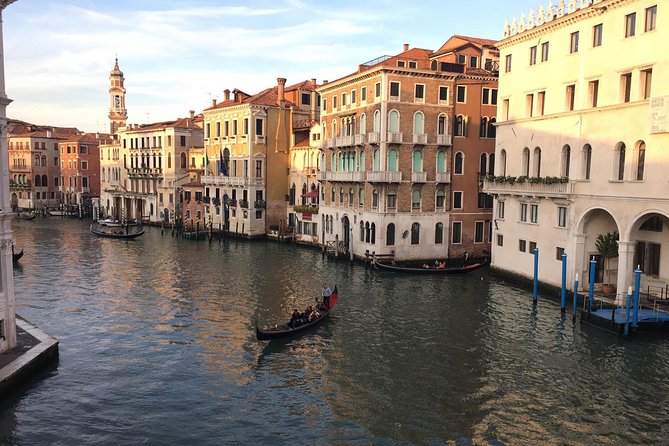
Next comes the Ghetto Ebraico area, reached by crossing foot bridges in Cannaregio. The guide connects place to language, including the origin of the word ghetto. That matters because most people hear the word as a historical term, not a geography marker.
This portion works best if you let the guide pace you. You will likely spend a bit of time hearing context, then walking through the quarter’s texture. Even if you already know the outline of Jewish history in Venice, the framing from the street helps it stick.
There’s also a practical reason this stop is powerful: it shows how a neighborhood can carry history without becoming a museum. You see religious and community landmarks in the middle of an active urban fabric.
A small planning note
Some groups may spend longer at this topic depending on questions and how the guide handles pacing. If you tend to get tired early, mention that you prefer to keep moving at a steady walk pace when you meet the group.



Chiesa della Madonna dell’Orto and the Tintoretto thread
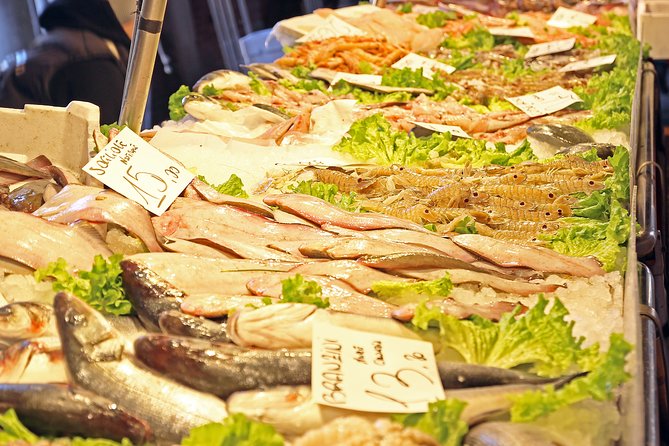
From the Jewish Quarter area, you head to Chiesa della Madonna dell’Orto. This is one of those stops that gives you a Venice detail without turning the day into a museum slog. The church is famous for its Tintoretto paintings, and you’ll also get a look at the original floor area in front of the church.
Note the ticket reality: the admission is not included for this part. That doesn’t mean you’ll see nothing. It means you should expect that any deeper interior access may require extra payment or won’t be part of the included time.
For me, the best approach is simple: treat this stop as a “spot the art connection” moment, then decide on the spot whether to do anything beyond what’s included.
Palazzo Mastelli del Cammello, the Camel House story
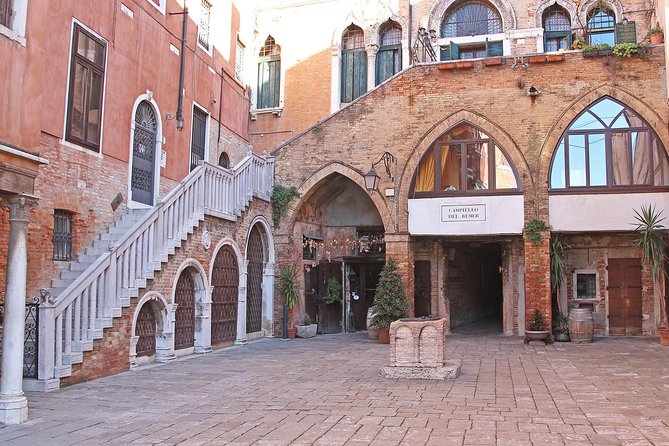
A quick walk brings you to Palazzo Mastelli del Cammello, famous enough that people give the building a nickname: Camel House. The facade is the star here, and the guide explains the legend behind it.
This is a great example of what makes a guided tour worth it in Venice. From the street, the building can look like any grand facade. The story turns it into a landmark with personality. You start noticing the visual clues the guide points out, and the city stops feeling like random architecture.
This is also where your photo instincts get sharper. You’ll be looking for angles that show the facade and the bridge-and-canal relationship, rather than only taking the same kind of shot everyone else is taking near Rialto.
Squero dei Muti: gondola craft as a living tradition
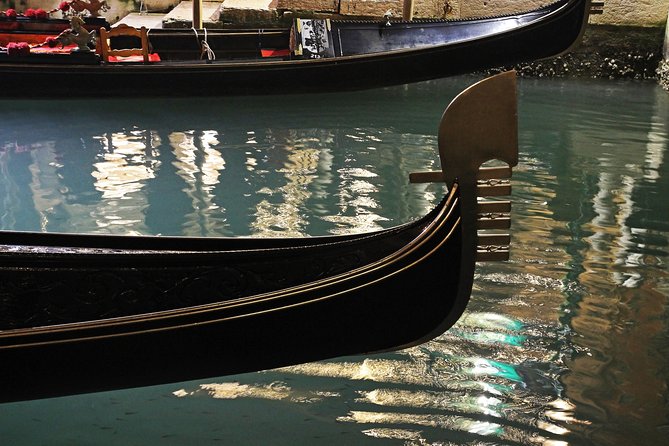
Then you reach Squero dei Muti, an old gondola factory stop. The key word is old. This is not just “look at a gondola” Venice. It’s a chance to see the industrial and craft side that keeps the city’s signature boats more than just a symbol for visitors.
Even if gondola building is not something you grew up thinking about, this stop gives context. You start to understand how Venice’s waterways and trades shaped everything from tools to workshop spaces.
Also, it’s a nice mid-tour shift in mood. If you’ve been listening to history and names, this kind of place breaks the pattern and adds a grounded, practical Venice vibe.
Ponte Chiodo and the feel of older Venice
Next is Ponte Chiodo, described as the original bridge of the Venetian Republic. Bridges in Venice are never just crossings. They’re political, engineering, and neighborhood decisions turned into stone and habit.
What I like about a stop like this is the timing. You’re not at Rialto yet, but you are moving toward the city’s showpiece area. Ponte Chiodo makes that progression feel meaningful, like you’re walking through eras instead of randomly teleporting between highlights.
You’ll probably take a moment for views and photos. Use it. Those older bridge angles often give you a different view of the canal geometry than the more famous bridge spots.
Rialto Bridge, and why your guide’s stories change how you see it
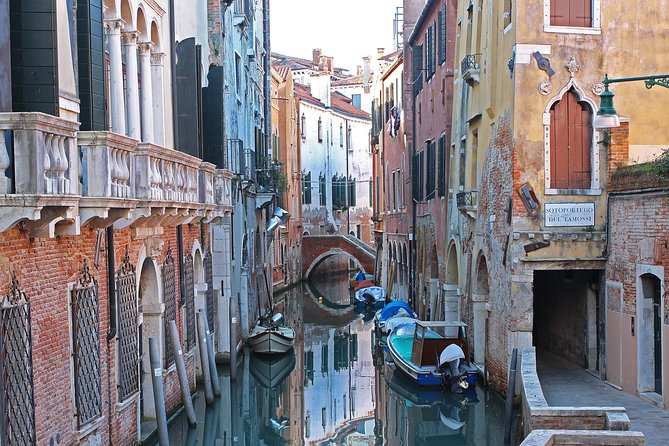
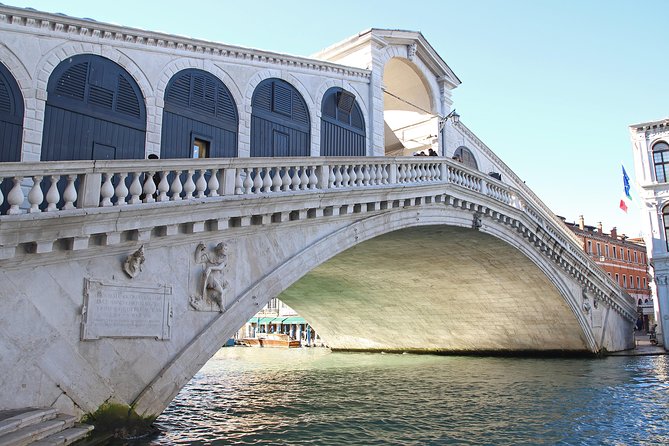
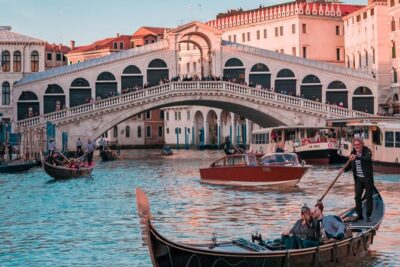
The tour’s main finish is Ponte di Rialto. This is one of the city’s most recognizable landmarks, and you’ll spend about 15 minutes there. The guide shares why the first bridge built on the Grand Canal matters, with stories, legends, and traditions tied to the structure.
Here’s the trick: if you arrive at Rialto with only guidebook knowledge, you treat it like a monument. If you arrive with the guide’s context, you treat it like a working piece of city life that once supported trade and community movement.
When you’re there, watch how people use the space. Rialto is crowded most of the day, but being at the bridge at the end of a structured walk helps you arrive with a clear sense of direction. After the tour ends near Rialto Bridge, you’re well positioned to keep exploring nearby without having to “find your way” all over again.
A tip that makes a difference
Since the tour ends right by Rialto, plan lunch or your next stop with that in mind. A city map in your pocket helps, and you may also get guide suggestions for where to eat and drink locally.
Campo San Giacomo di Rialto and the idea of Venice as living islands
You’ll also pass Campo San Giacomo di Rialto, known as the first lived island of Venice. Even if that sounds like a fact you can read online, what matters is how it feels in your feet. You’re walking a route that ties the city’s growth to the water and the land it created.
Venice began as an island network, not a “one landmass” city. Stops like this help you visualize that history without getting lost in names. You start seeing the waterline as a timeline.
The time here is short, about 10 minutes, so keep your expectations right. This is a picture-and-context moment, not a full story session. If you want extra time, ask your guide one question before you move on.
Mercato di Rialto, where trade shaped daily life
Finally, you’re in the orbit of Mercato di Rialto, the old trade center of the Venetian Republic, known as La Serenissima. This is a powerful end-stage stop because trade explains so much about Venice’s character. It’s why you see wealth in architecture, why plazas and bridges became meeting points, and why the city kept building itself around water movement.
You’ll spend around 15 minutes here. If you pay attention, you’ll notice the practical layout: where people would have gathered, how movement patterns likely formed, and how proximity to the Grand Canal mattered for business.
Even if your end goal is pictures, this stop makes those pictures make sense. You’re not just photographing stone. You’re photographing a city shaped by exchange.
Guides and small-group energy: what the best moments have in common
One big reason this tour earns a near-perfect rating is the guides. Names that show up in praised experiences include Mateo, Giovanni, Nico, Sebastian, and Sebastiano, and they’re repeatedly described as friendly, fun, and able to connect history to the way Venice functions today.
The strongest tours are interactive. You get opportunities to ask questions, and in at least some guided sessions, you end with guidance on what to do next. People also highlight restaurant recommendations, and that practical angle matters if you are trying to eat well without gambling.
The small-group limit of 15 people matters more than it sounds. In Venice, even a group of 15 can spread out, and if the guide is good, you can hear them and keep your pace. When a guide can manage the group and keep you moving, the two hours feel like a clear arc instead of a random wander.
Timing, crowds, and how to get better photos without extra effort
This tour is designed to be a breather from the worst crowd pockets. That doesn’t mean you will never see people, because Venice is Venice. But starting in quieter districts and using canals and bridges strategically tends to mean more breathing room for photos.
If you’re a photo person, plan to take pictures at bridge viewpoints and at stops with facade views. Rialto is the obvious one, but so is the “in-between” scenery on the way there. That’s where you often find clean canal lines and less chaotic backgrounds.
Also, wear shoes that handle Venice at its worst. You’ll be on stone and uneven surfaces, and your pace will shift between short standing pauses and continuous walking.
Who should book this tour, and who might want a different style
This fits best if you:
- Want a guided introduction that goes beyond the postcard circuit
- Like history, but prefer it tied to daily life, places, and naming stories
- Appreciate a small group with time to ask questions
- Want an easy springboard into the Rialto area afterward
It might be less ideal if you:
- Need a tour with minimal standing and zero stops
- Have limited walking stamina, because the route includes a lot of ground in two hours
- Expect one long interior museum experience, because several stops are exterior or viewpoint driven
If you’re staying just outside Venice and planning a day trip, watch for the city access fee on certain dates. It can affect your total day cost.
Price and value: what you really pay for
At $47.16 per person for about 2 hours, you’re paying for several things that are hard to replicate on your own: a local guide, interpretation that connects places to stories, and a route that leads you into lesser visited areas before finishing at Rialto.
Many stops are free to view, and only one of the church-related parts is explicitly flagged as not included. That means your cash spending during the tour should stay low. The real value is time saved, because a good guide helps you avoid wandering blindly for the “right” corners.
If you are a first-time visitor, it can also be a low-risk way to learn the city’s flow. You’ll often get enough context to plan the rest of your trip more confidently.
Quick take: should you book The Real Hidden Venice?
I’d book it if you want Venice to feel like a place, not a checklist. The blend of quieter districts, the Jewish Quarter context, craft stop energy at Squero dei Muti, and a guided walk into Rialto is a smart use of two hours.
Book it especially if you care about hearing why things are named and how the city actually works day to day. That is where the guide style shines, and it’s also where a small-group format pays off.
Skip it if you dislike standing still for stories or if your mobility is limited. This walk is built for moderate walkers, and the route includes a fair amount of on-foot time.
FAQ
How long is the Real Hidden Venice tour?
The tour is about 2 hours walking.
How big is the group?
The tour runs with a maximum of 15 travelers for the group option.
Where does the tour start and end?
It starts at Hotel Antiche Figure, Santa Croce, 687 Fondamenta San Simeon Piccolo, 30135 Venezia VE. It ends near Rialto Bridge, at Ponte de Rialto.
Is admission included for the church?
Admission for Chiesa della Madonna dell’Orto is not included.
Is hotel pickup and drop-off included?
No. Hotel pickup and drop-off are not included. You meet in front of Hotel Antiche Figure as stated in the booking info.
Is free cancellation available?
Yes. Free cancellation is available if you cancel up to 24 hours in advance for a full refund.
Can there be an extra Venice access fee?
Yes. On certain dates, people staying outside Venice who visit for the day may need to pay a €5 access fee. Exemptions and applicable dates are listed on the official site linked in the tour details.
More Tours in Venice

More Tour Reviews in Venice
Not for you? Here's more nearby things to do in Venice we have reviewed

Hidden Venice Tours, compared.
 ★ 4.2Rialto Bridge & Offbeat Unusual Venice Walking TourFrom $283,538 reviews
 ★ 4.3Off the Beaten Path Private Gondola RideFrom $94703 reviews
 ★ 4.3Secret Venice & Gondola TourFrom $71458 reviews
 ★ 4.5Venice 3,5 hrs tour: Doge’s Palace, St Mark’s and Hidden GemsFrom $163264 reviews
 ★ 4.0Private Secret Venice Tour; Rialto Market, San Polo & Food and Wine tastingFrom $257220 reviews
 ★ 4.1City Highlights and Hidden Gems Walking TourFrom $31158 reviews
 ★ 4.0Unusual Venice Walking Tour through Rialto & Gondola ExperienceFrom $60135 reviews
 ★ 5.0Highlights & Hidden Gems With Locals: Best of Venice Private TourFrom $328135 reviews
Browse the lists this tour appears in