Tour review · VENICE PRIVATE TOURS
Venice Photography Walking Tour with Private Guide
Venice looks different when you shoot it properly. This private photo walk gives you expert direction, so you leave with stronger images and a sharper read on the city. I especially like the one-on-one coaching (from settings to composition) and the chance to get off the most crowded paths for real atmospheres. One thing to weigh: you’ll do plenty of walking, and the tour assumes you have at least a basic handle on your camera.
You can choose a 3-hour daytime route focused on markets and squares, or a sunset option built for twilight color, glowing facades, and canal reflections. Reviews also highlight guides such as Vinicio and Mario for patient teaching, including support for beginners and smartphone shooters. It runs rain or shine, and the route can shift with local conditions.
Key things I’d zero in on

- Private guide attention where your questions matter, not just a group briefing
- Day or sunset choice so you control the lighting style of your Venice photos
- Photo lessons built for both phones and advanced cameras
- Stops aimed at both big sights and less-traveled neighborhoods and canals
- Coaching that focuses on composition, lighting, and reportage-style storytelling
- Expect a lot of footwork in a compact city, with breaks coming from the route flow
Venice Photography Walking Tour with Private Guide: what this is really like
This is not a sit-and-learn workshop. It’s a walking photo session in Venice with a professional photographer guiding where you stand, what you notice, and how you frame it. That matters in Venice because the city punishes aimless wandering. If you only point your camera at landmarks, you’ll collect postcards. If you learn a few practical habits, you’ll make photos that feel like the place.
I like that the tour is private. You’re not waiting for the slowest person to catch up, and you can ask direct questions about your own camera, whether it’s a phone, a compact, or an SLR. Past guests also praised guides like Vinicio and Mario for teaching in a calm, easy way, including help getting beginners started and offering critiques that actually connect to real scenes in front of you.
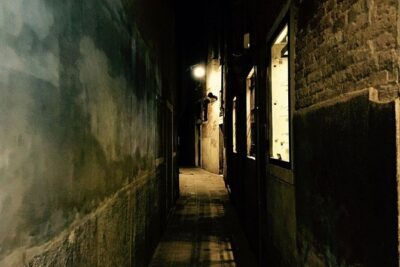
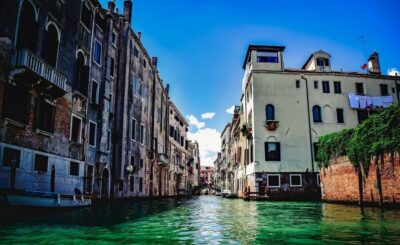
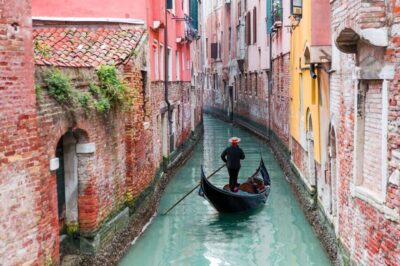
There’s also a strong Venice advantage here: the guide can push you beyond the simplest routes. You’ll spend time around famous Venice backdrops like St Mark’s Square, but the bigger value is often the in-between lanes. Venice’s mood comes from canals, balconies, side streets, and everyday movement. That’s exactly what a street photographer notices, and it’s what you’ll practice seeing.
You can also read our reviews of more walking tours in Venice
Daytime or sunset: how your photo plan changes

Pick your timing based on what kind of images you want.
Daytime tour: color, crowds, and candid city energy
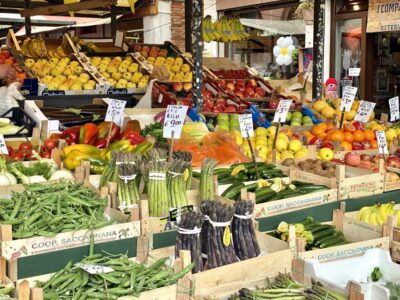
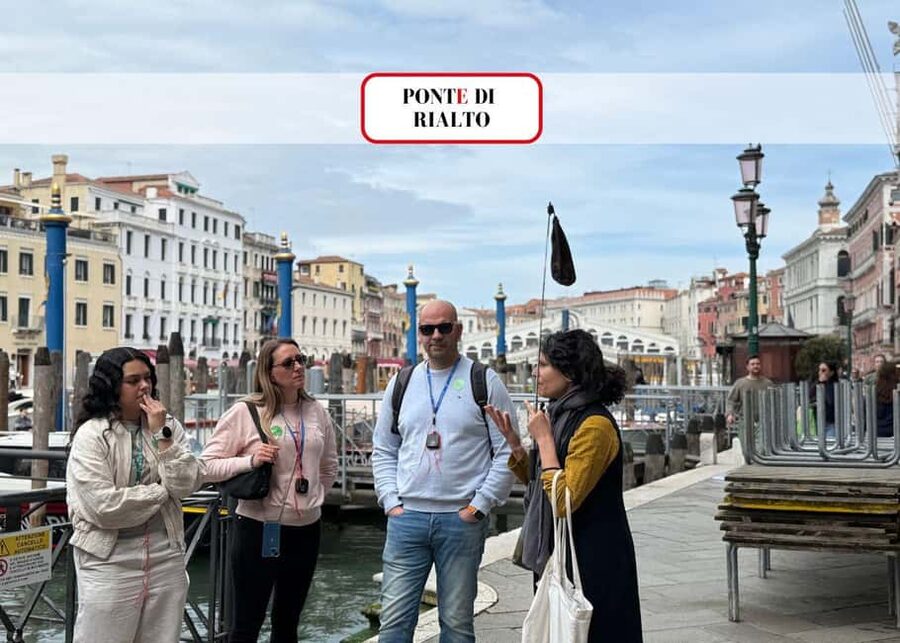
The daytime option focuses on Venice’s busier visual textures. You’ll spend time around St Mark’s Square, then move through areas like the Mercerie district and the Rialto Market area, where colorful stalls and constant motion make excellent subjects. This is great if you want:
- more readable daylight color
- photos with people in motion
- market scenes with authentic chaos (the useful kind)
Daytime also gives you an easier baseline for learning camera controls. You can test exposure and composition without the pressure of low light. The tour’s coaching includes tips on photographing people respectfully while capturing expression and movement, which is especially useful in tight, public spaces.
Sunset tour: twilight glow and city lights in reflections
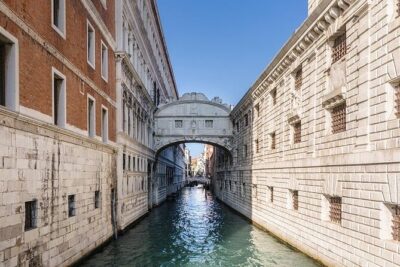
The sunset option meets you just before dusk and leans into that Venice magic when the city lights start to win. It revisits several daytime areas, then adds the twilight payoff: you’ll aim for places like the Bridge of Sighs and get opportunities tied to the Venice Lagoon and evening mood.
This is your choice if you want:
- warm skies and softer shadows
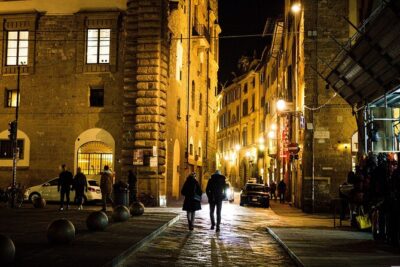
- illuminated buildings and night scenes
- reflections of lights in canals
A major practical win with sunset is learning how to adjust your camera thinking as light drops. You get guided practice that you can repeat later in any city, because the principles are the same: exposure balance, stabilization, and how to keep your subject clear against a bright background.
Where you start at Gallerie dell’Accademia and why it matters

The meeting point is at Gallerie dell’Accademia, Calle della Carità, 1050, 30123 Venezia VE. Starting here is convenient for beginning your photo walk with a strong Venice “infrastructure view.” You’re positioned for a natural weave of sights, canals, and streets rather than a dead stop at a single monument.
The tour also ends back at the same meeting point. That’s useful. In Venice, you do not want to finish miles away and then hunt for a gondola ride or commit to a long route back.
One more subtle plus: because the tour is custom planned within the time window, your guide can shape the walk to match your interests. If you care more about people than palaces, or canals more than facades, the route can adjust within the approximate 3 hours.
You can also read our reviews of more guided tours in Venice
St Mark’s Square: framing big monuments without making generic photos

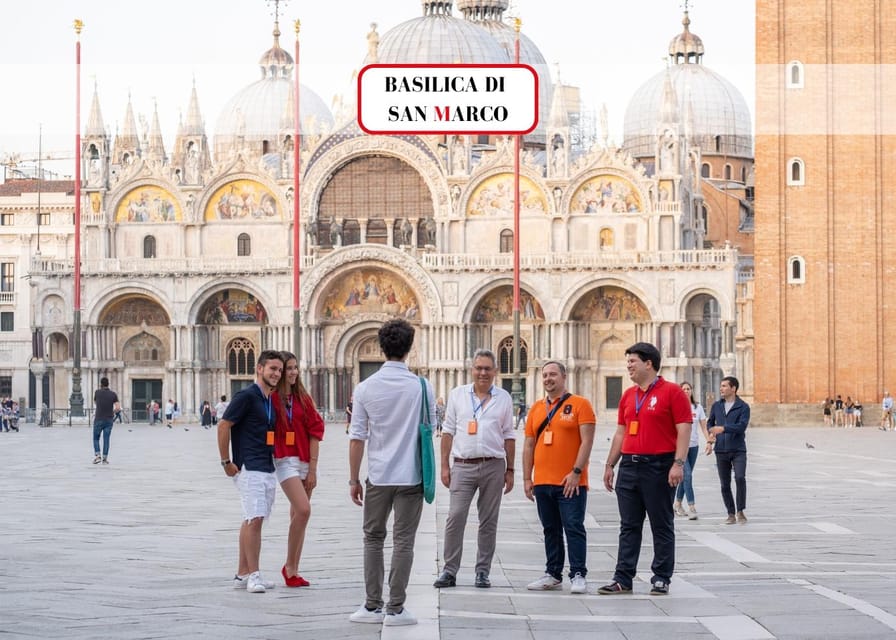
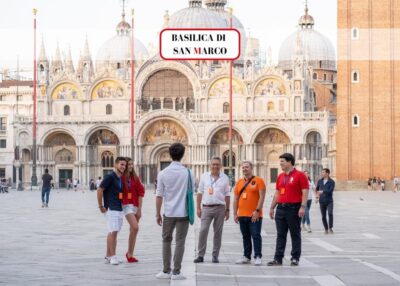
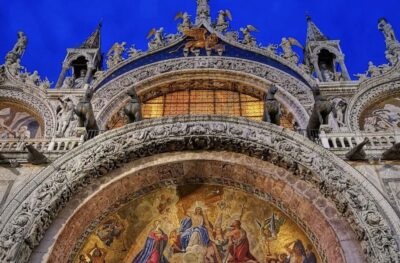
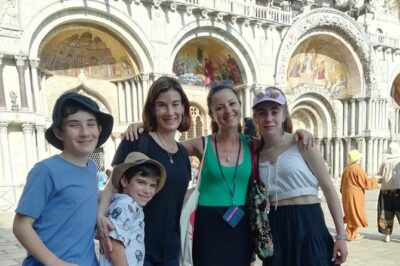
St Mark’s Square is the obvious draw, but a good photo guide makes it more than a checklist. You’ll learn how to frame major landmarks in eye-catching ways instead of just shooting them dead-on.
In practical terms, that usually means you’ll rethink:
- your camera height (lower for drama, eye level for storytelling)
- angles that include leading lines (arcades, steps, edges)
- how to balance the landmark with sky, crowd patterns, or surrounding architecture
What I like about this portion of the tour is that it’s a training ground. Even if you’ve visited St Mark’s before, you’ll likely leave with photos that feel more intentional. The tour’s teaching approach also includes composition and lighting fundamentals, so you can apply what you learn beyond just one square.
If you’re doing the sunset version, St Mark’s is even more of a lesson. The shift from bright daytime detail to darker, illuminated stone changes how your camera handles contrast. You’ll practice the transition, not just the final result.
Mercerie district and Rialto Market: people, color, and practical street shooting

For the daytime tour, the Mercerie district and Rialto Market are where you get Venice’s daily rhythms in your frame. This is not a quiet museum moment. It’s a moving scene with strong colors and lots of human activity.
This stop is valuable because it teaches you how to work with real motion and real faces:
- how to compose when the subject is never perfectly still
- how to handle background clutter while staying respectful
- how to tell a small story with a single frame
A standout theme from past guests is that the guide helps with more than settings. You get coaching about photographing people respectfully and skillfully, which makes your photos stronger and your presence more comfortable. That matters in Venice, where you’re photographing in close proximity to strangers.
Also, market light is challenging in a fun way. Daylight mixed with stall shadows can trick your camera meter. You’ll learn what to watch and how to adjust quickly. Even if you only keep your phone, this kind of guidance pays off because it trains your eye to notice what’s actually lighting your subject.
Bridge of Sighs and the Venice lagoon at twilight

The sunset tour leans hard into Venice after-hours mood. The Bridge of Sighs is a natural focal point for evening images, and it works as a photography exercise because it combines shape, historic texture, and reflective surfaces nearby.
When your guide layers in spots related to the Venice Lagoon and twilit landmarks, you’re not just photographing buildings. You’re photographing how Venice changes when the sky cools and the city warms.
This portion is where the coaching gets most useful if you want pictures that look like they were planned. Canal reflections can turn a decent shot into a standout frame, but only if you control exposure and your angle. You’ll learn how to adapt as light shifts, and how to keep the image from looking washed out or too dark.
If you’ve ever tried night photography and felt like your camera produced either blurry messes or muddy shadows, this is the kind of session that can get you unstuck. You practice in the location, not in theory.
The private photographer coaching: composition, lighting, and reportage storytelling

The tour’s teaching focus is clear: composition, lighting, and reportage-style photo habits. That last part matters. Venice street scenes can look chaotic, but reportage is about selecting what communicates the moment.
I like that the tour works for different skill levels, from beginners to people who already shoot manual. Reviews mention guides stepping in with patience for beginners, including hands-on help with camera functions and manual settings. If you’re learning to shoot your own manual exposure, you’re not left to guess what to change next.
You should also know that the tour expects at least basic camera familiarity. That’s not gatekeeping. It’s practical. If you can turn your camera on and understand the basics of focus and exposure, you’ll get much more out of the lesson.
And yes, smartphone shooters fit in. Past guests specifically called out learning phone-friendly tips and improving framing and light awareness. The core lesson is the same across devices: you need to control what light does to your subject and you need to build a composition that tells a clear visual story.
What to bring, and how to pace yourself for 3 hours of Venice walking

This tour is built around walking. In Venice, that means uneven surfaces, constant turns, and lots of stair-and-bridge moments. You should plan for a serious day on your feet.
What to bring:
- Your camera and at least basic know-how of its settings
- Extra battery or phone charger plans (Venice light is gorgeous but the walk is active)
- Comfortable shoes that handle stone and slips
- A lens or zoom range you can use quickly without fiddling too long
The tour runs rain or shine, and the guide can change the route based on conditions. That’s helpful, but it also means you’ll need to stay flexible. If clouds roll in during your sunset session, you still get practice adapting your shot to changing light.
One more practical point: because it’s a custom-planned tour where the guide goes where you want within the time, you’ll move based on your preferences. If you’re the type who wants to linger for 20 minutes at one spot, tell your guide early. They can balance quick compositions with longer looks so you don’t feel rushed.
Price and value: is $271.54 per person worth it?
At $271.54 per person for about 3 hours, this isn’t a cheap add-on. The value comes from three places.
First, you’re paying for a professional photographer guide. That coaching is hard to replicate on your own, especially in a visually complex city like Venice. Advice on composition and light timing can quickly improve your final results, and it’s tailored to your camera approach.
Second, it’s private. If you’re traveling with a partner or small group, private attention can make the cost feel more reasonable because you’re not competing for the guide’s time. The tour is listed as private, meaning only your group participates.
Third, you get focused practice that applies everywhere. Market scenes teach you about motion and clutter. St Mark’s teaches scale and framing. Twilight teaches contrast and reflections. Even if your goal is just to end your trip with better photos, this structure is exactly what makes it feel like an investment rather than a stroll.
If you want the cheapest way to see Venice sights, you might prefer a general walking tour. If you care about photography outcomes and you want your questions answered in real time, this price starts to make sense.
Who this tour is best for, and who might not love it
This is a strong match if you:
- want better photos, not just sightseeing snaps
- enjoy learning how to frame and adjust to changing light
- want a guide’s local perspective on everyday Venice streets
- shoot with a phone or a more advanced camera and want tips that apply to your setup
- like the idea of daytime markets or twilight reflections, depending on what you’re after
It may be less ideal if you:
- hate walking, because the pace and footwork are a big part of the experience
- want a fully effortless, low-effort experience with no photography learning component
- don’t have any basic familiarity with your camera controls (you’ll still see Venice, but you may get less from the instruction)
Also, if you’ve already mastered night photography and never need help with composition, you might wonder what you’re paying for. For most people, though, Venice is a tough enough subject that targeted guidance is still useful.
The short list of standout moments
If you want the “why people rave about this” version, it tends to be these elements:
- guides like Vinicio and Mario described as patient and encouraging, including help for beginners
- a tour that leads you into less touristy lanes and canals where you can photograph without constant obstruction
- instruction that includes real camera functions and practical ways to spot light changes fast
- a storyline to the walk, from daytime details to twilight glow, depending on your chosen time
Should you book this Venice photo walk?
Book it if you want your Venice photos to look intentional and you’re willing to learn while you walk. The private format and professional photo guidance are the real drivers, and the day versus sunset choice helps you aim for the look you want, not whatever light you happen to get.
Skip it if walking a lot stresses you out or if you want a pure landmark tour with minimal instruction. For everyone else, this is a smart way to turn Venice from a place you visit into a place you can actually photograph well.
If you can, choose the time based on your style. Pick daytime for color, markets, and people movement. Pick sunset for reflections, illuminated architecture, and a Venice glow that’s hard to reproduce on your own.
FAQ
How long is the Venice photography walking tour?
It runs for about 3 hours.
What are the two tour options, daytime and sunset?
You can choose a 3-hour daytime photography walk or a sunset photography walk.
What is included in the price?
The included item is a professional photographer guide.
Do I need a specific camera to join?
No camera type is required. The tour welcomes smartphones to advanced cameras, but participants should have basic knowledge of their camera.
Is hotel pickup included?
No. Hotel pickup and drop off are not included.
Does the tour run in bad weather?
Yes, it operates rain or shine. The route may be changed based on local conditions.
Where does the tour start and end?
The tour starts at Gallerie dell’Accademia, Calle della Carità, 1050, 30123 Venezia VE and ends back at the same meeting point.
Is there an extra fee to visit Venice?
On certain dates, visitors staying outside of Venice who are visiting for the day may be required to pay a €5 access fee. You can check applicable days and exemptions at the provided link.
What is the cancellation policy?
You can cancel up to 3 days in advance for a full refund.
More Walking Tours in Venice
More Tours in Venice
More Tour Reviews in Venice
Not for you? Here's more nearby things to do in Venice we have reviewed
Venice Private Tours, compared.
★ 4.7From Venice: Murano & Burano Guided Tour by Private BoatFrom $614,170 reviews
★ 4.0Private 3 hrs Venice Tour: St Mark’s, Walking tour & Boat tourFrom $4803,372 reviews
★ 3.7Private Gondola Cruise for up to 5 PassengersFrom $1573,106 reviews
★ 3.9Private Gondola Ride along Grand CanalFrom $1682,475 reviews
★ 4.0Private Best of Venice Walking Tour with St Mark’s BasilicaFrom $2421,063 reviews
★ 5.0Private tour on Murano Island: discover the art of Artisanal GlassblowingFrom $108965 reviews
★ 3.6Private Gondola RideFrom $85757 reviews
★ 4.6Private Tour with a Local GuideFrom $62718 reviews
Browse the lists this tour appears in