
Tour review · WALKING TOURS
Walking Tour to Uncover the Hidden Venice
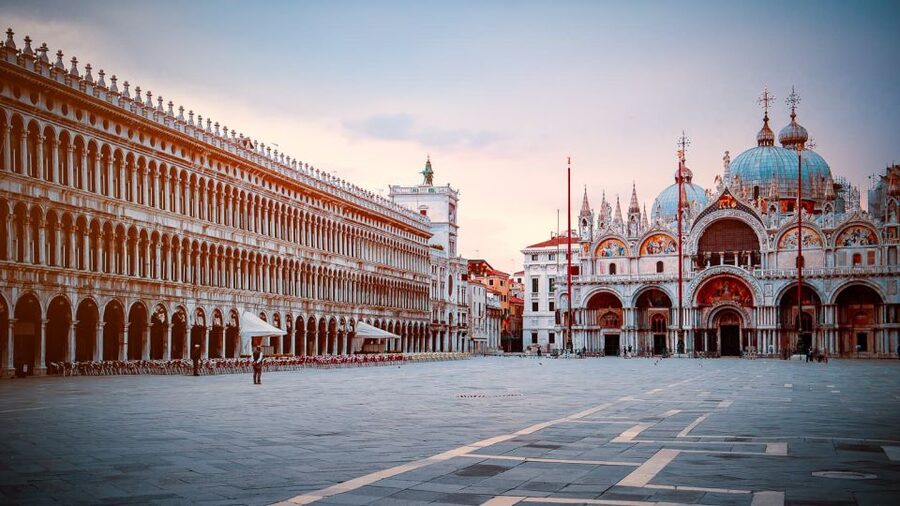
Venice feels like a puzzle with golden clues. This 1.5-hour walk turns the usual St. Mark’s loop into a smarter route through palaces, churches, and a few famously overlooked corners, with views that help everything click into place.
I especially love the way the tour frames Venice’s power, not just its postcard scenes. You start at Piazza San Marco, hear how the Venetian Republic operated like a maritime superpower, then you move from the Basilica mosaics to the Doge’s Palace so the architecture actually means something.
One thing to think about up front: it is a walking tour only outside attractions, and entrance tickets are not included. Also, it is not wheelchair and stroller accessible, and it is short, so you will move at a brisk pace rather than linger for long.
Key highlights worth planning around
- Official certified guide who explains what you’re looking at as you walk
- Radio system so you can hear clearly in busy squares and alleyways
- Campanile viewpoint for panoramic angles that make Venice feel navigable
- Gothic set pieces like Doge’s Palace, Bridge of Sighs, and the Bovolo staircase
- Mercerie and Rialto connections that show Venice as a trading city, not just a museum
- Stops like Marco Polo’s house and Teatro La Fenice that add stories beyond the obvious
From the Meeting Point near St Mark’s Square to Venice’s main stage
You meet at Calle larga de l’Ascension, 1256, right in front of the post office near St Mark’s Square (look for the MEETING POINT sign on the wooden kiosk). Plan to arrive 15 minutes early so you can start on time and not feel rushed before the first big sights.
From the start, the tour is designed to orient you fast. You begin at Piazza San Marco, often called the world’s most beautiful drawing room, and your guide sets up what Venice was trying to do politically and economically. Once that frame is in your head, the rest of the walk feels less random.
I like that you are not stuck in one long grand-stand sightseeing loop. You weave through squares and narrow lanes, then you break toward the viewpoint and the river and canal areas where Venice’s layout becomes obvious.
You can also read our reviews of more walking tours in Venice

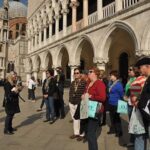
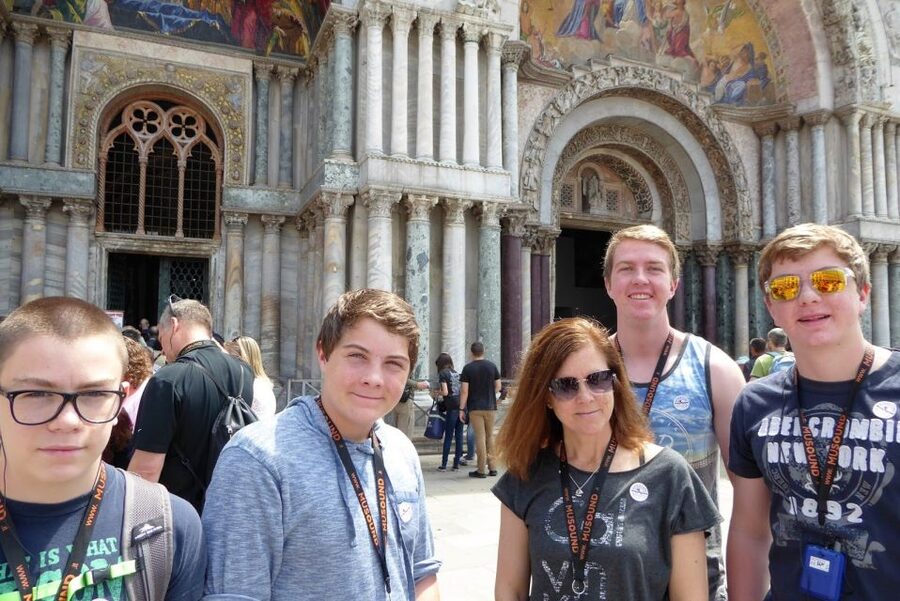
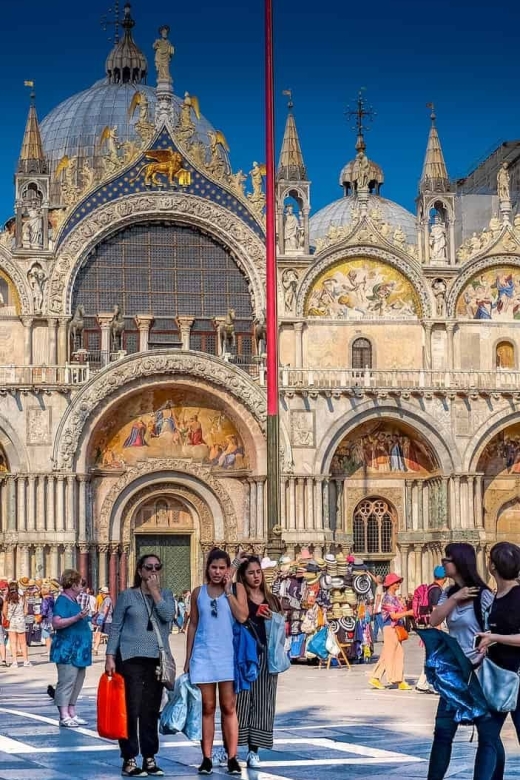
St Mark’s Basilica mosaics and the Doge’s Palace power story
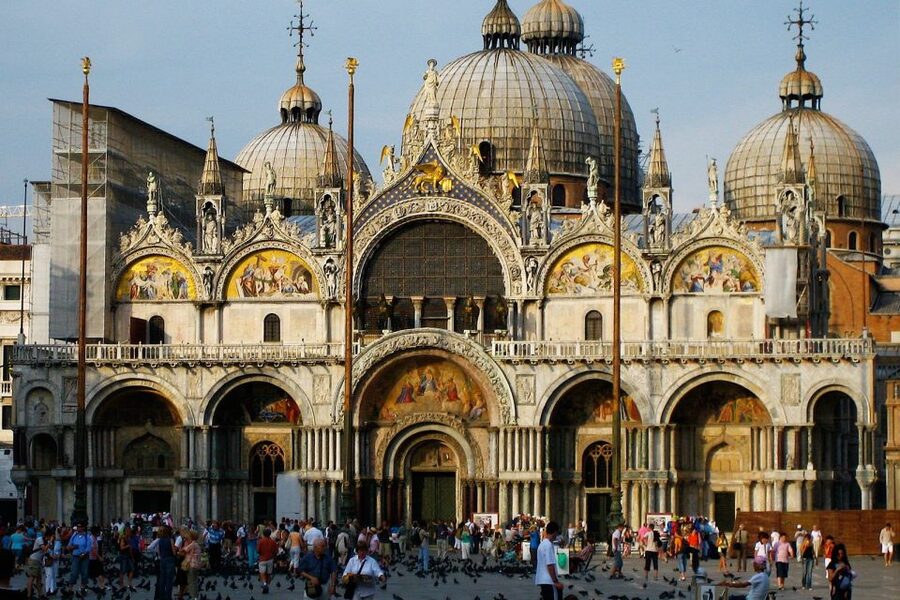
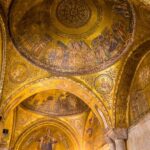
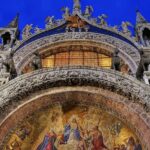
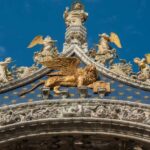
St Mark’s Basilica is your first major art hit. You spend time with the dazzling mosaics, and yes, the golden horses get a proper moment, because they are part of how Venice projected prestige. Even if you’ve seen photos, having a guide point out what to notice makes the space feel more alive.
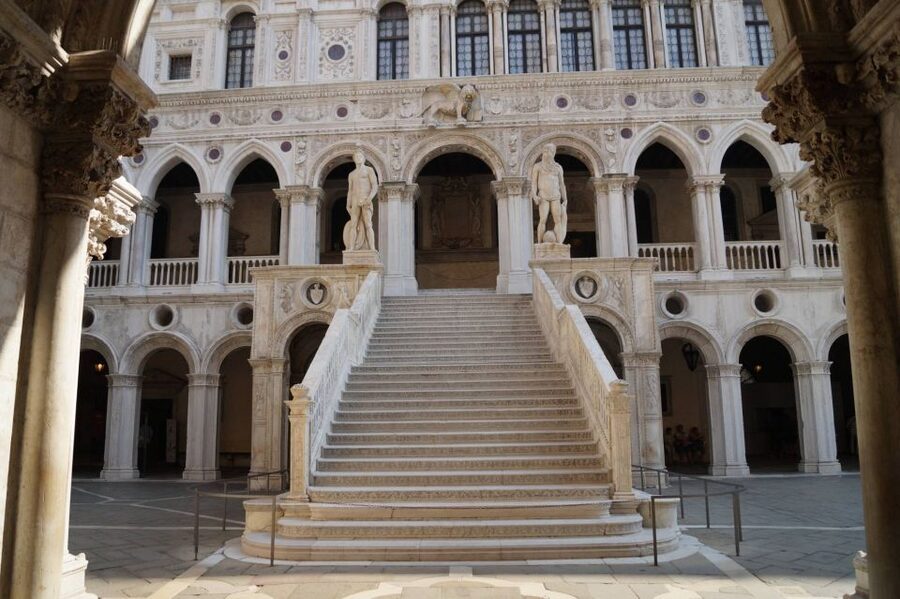
Then you head to the Doge’s Palace, one of the city’s most dramatic Gothic buildings. The main value here is the context: you learn how the palace operated, and you also hear about the devastating fire it endured. That matters because so many details that look purely decorative make sense as choices made after disaster and political need.
If you love architecture, this stop is a good match. The guide’s job is to connect structure to meaning, so you are not just walking past walls, you’re understanding why this building looks the way it does and why Venice cared so much about it.
Practical note: since entrance tickets are not included, you experience these places from guided viewing areas rather than a full, ticketed interior visit. That can be a plus if you want the stories and orientation more than museum time.
Campanile panoramas and the Bridge of Sighs viewpoint of justice
One of the best moments on the walk is the Campanile climb. It used to function as a lighthouse guiding sailors, and that historical detail gives the tower a purpose beyond being scenic. When you reach the top, you get panoramic views that help you understand Venice’s weird, wonderful geography.
From above, Venice stops feeling like a maze. You can start to trace where key landmarks sit relative to each other, and it’s easier to plan your next wander on your own after the tour.
Next comes the Bridge of Sighs. Even without a long detour, it’s the kind of stop where the guide can connect visual style to the human stories Venice built around governance and confinement. It is a short crossing in the itinerary, but it lands emotionally because of what the bridge represents.
Campo SS. Giovanni e Paolo and Scuola Grande di San Marco
You also spend time at Campo SS. Giovanni e Paolo, one of Venice’s landmark church areas. This church is the largest in the city, and the tour uses that fact to orient you to Venice’s religious scale and civic pride. When a guide anchors the size and role of a place, you tend to look up more and notice the details that your eyes would skip on your own.
Another strong stop is the Scuola Grande di San Marco. This building is known for being richly decorated, and the tour uses it to show the ways Venice’s confraternities and civic organizations expressed identity through art and design. It’s a nice change from only thinking about palaces and state power.
If your travel style is “I want the why,” these two stops deliver. They explain that Venice’s culture was not only housed in government buildings, it also lived in religious and civic spaces where people came together.
Marco Polo’s house and the Mercerie, where commerce meets gossip
The tour brings in personality with the stop for Marco Polo’s house. You learn about the legendary explorer and how he once called Venice home, which gives the city a human thread beyond buildings. It’s the kind of detail that makes you feel like you’re walking through a story, not just passing highlights.
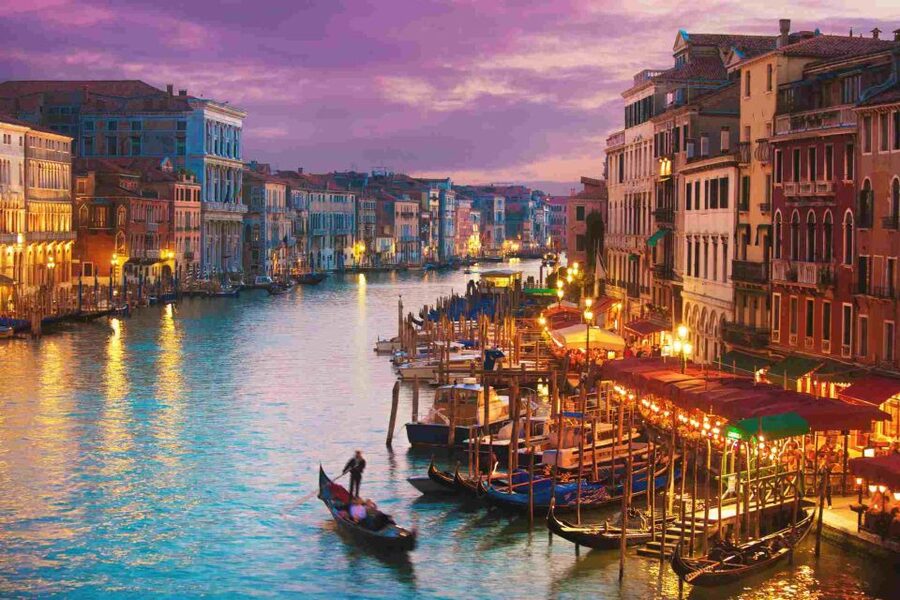
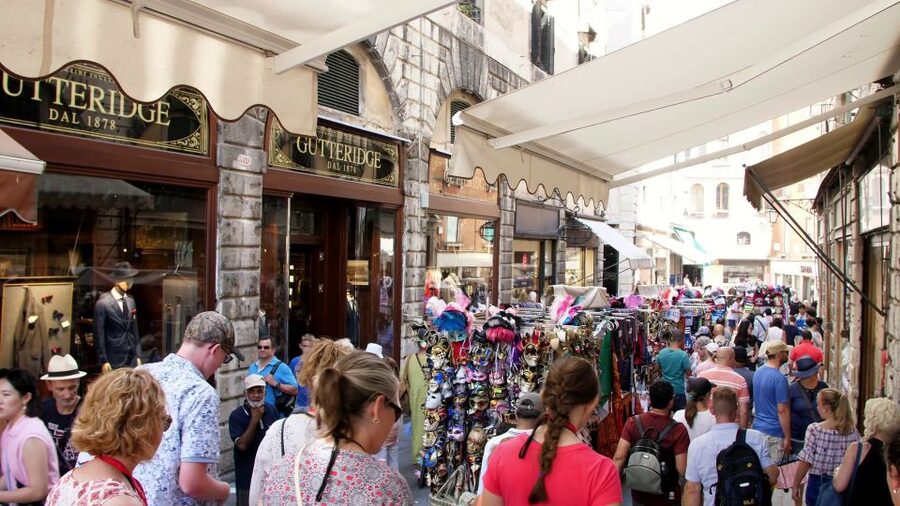
Then you move through the Mercerie, Venice’s historic heart of commerce. This is where the tour gets practical in a travel sense, because it helps you understand where people went for business and how the city’s streets grew around trade. You’re not only learning what happened, you’re learning where to walk next once you’re out on your own.
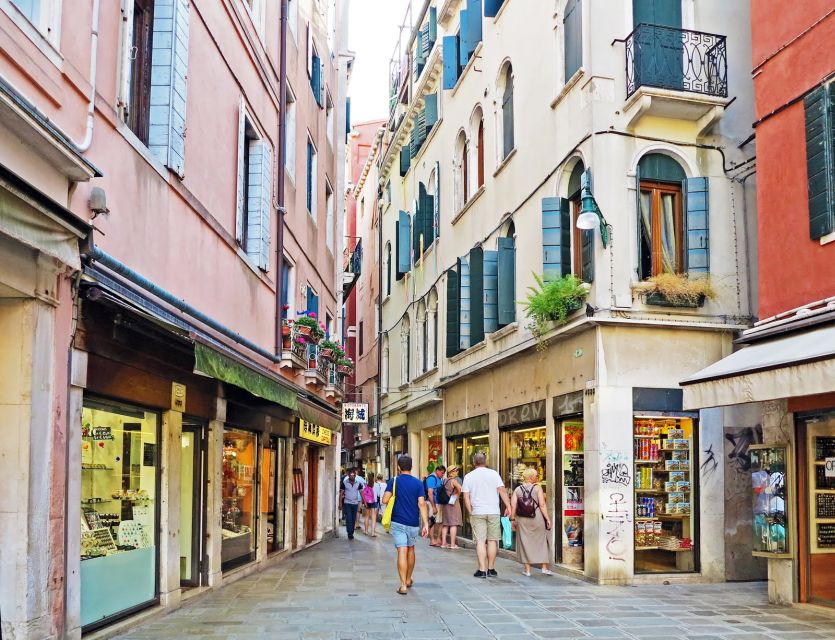
Around here, you also get those classic Venice feelings, narrow streets, small squares, and the sense that every turn might hide something. The guide’s job is to point out what you’re actually seeing, so you don’t just get romantic vibes, you get useful ones.



Rialto Bridge, Teatro La Fenice, and the Bovolo staircase finale
Rialto Bridge is a must-see symbol for Venice’s trade. In this tour, it is not treated like a quick photo stop. You get the idea behind it, which makes the scene more meaningful, and you can better understand why Rialto stayed central for so long.
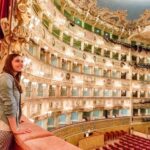
Next up is Teatro La Fenice, described in the tour as a phoenix that rose from the ashes. That framing is helpful because the theater represents how Venice handled loss and rebuild, and how art and public life stayed important even when disasters struck.
The finale is Scala Contarini del Bovolo, the spiral staircase that’s hard to miss once you know it’s there. This is a great ending because it feels different from the rest of the walk: less grand square, more playful geometry. You get one last burst of architecture you can remember later when you’re hunting for it on your own.
Price and value: what $51 buys you in 90 minutes
At $51 per person for about 1.5 hours, the value depends on what you want most: orientation, stories, and time efficiency. This tour includes an official certified guide and a radio system to hear clearly. For Venice, that matters because noise and distance can make self-guided walking feel frustrating fast.
What you do not get is entrance tickets, and food and drinks are not included either. If you want to go inside multiple sites, you’ll need to plan extra ticket time or choose activities that match your schedule.
Still, for many visitors, this is a smart way to “buy back time.” You cover key neighborhoods and landmarks in a compressed window, and your guide helps you notice details you would likely miss. That means you can spend your remaining hours less wandering and more exploring with purpose.
What the guide talent seems to focus on (and why that helps you)
The highest praise themes are consistent: people like guides who are genuinely passionate about Venice, and who tell personal, small stories that turn history into something you can picture. Some guides you might encounter, including names like Angelo and Ana from past tours, are noted for being enthusiastic and very well informed.
I like this style because it makes the walk feel like a conversation. When a guide connects one building to another with a clear reason, you remember more without extra effort. The radio system also helps keep the experience feeling smooth, since you can stay close and still understand the details.
The best part is that the tour isn’t only facts. You learn what to look for, like mosaic features at St Mark’s Basilica, Gothic cues at Doge’s Palace, and the “why” behind the viewpoint choices around Campanile and the Bridge of Sighs.
Who this walking tour suits best, and who should adjust expectations
This is a strong fit if you want a fast, guided overview of Venice’s center with enough depth to guide your next independent walks. You also get extra value if you enjoy architecture and you like hearing the meaning behind what you see.
It may be less ideal if you want long stop times in interior spaces, because you are not getting entrance tickets. It can also feel like a tight schedule if you’re the type who needs frequent breaks, since it is designed to cover a lot in 1.5 hours.
Finally, it is not suitable for wheelchair users and people with mobility impairments. Strollers are also not allowed, and luggage or large bags are not allowed, so this is best for travelers who can move lightly and comfortably.
Quick planning tips you should not skip in Venice
Bring comfortable shoes, because this is a walking-focused route. Pack your passport or ID card as required by the tour information, and keep your bag small since luggage and oversize bags are not allowed.
Before you go, check about the Venice day access fee. On certain dates, people staying outside Venice who visit for the day may have to pay a €5 access fee. You can look up which days apply and who is exempt at https://cda.ve.it.
Also, remember that some of your experience is outside entrances. If you feel strongly about getting inside St Mark’s Basilica, Doge’s Palace, or other sites, plan that separately so you do not end up feeling like you missed something.
Should you book this walking tour of hidden Venice?
Book it if you want a guided orientation that connects Venice’s top sights to the city’s political and trading identity, and you like learning while you walk. The radio system, the official certified guide, and the planned arc from St Mark’s to Campanile to Rialto make this a practical first step for many trips.
Skip it or add ticketed activities if you want lots of interior time or slower pacing, since it is short and entrance tickets are not included. And if accessibility is a concern for you, look for a different format because this one is explicitly not wheelchair and stroller accessible.
If you like short tours that leave you with a clearer mental map and better instincts for where to walk next, this one is a good use of a half afternoon.
More Walking Tours in Venice

More Tours in Venice


More Tour Reviews in Venice


Not for you? Here's more nearby things to do in Venice we have reviewed







Walking Tours, compared.
 ★ 3.5Venice Walking Tour and Gondola RideFrom $723,630 reviews
 ★ 4.2Rialto Bridge & Offbeat Unusual Venice Walking TourFrom $283,538 reviews
 ★ 4.0Private 3 hrs Venice Tour: St Mark’s, Walking tour & Boat tourFrom $4803,372 reviews
 ★ 4.2City Center Historical Guided Walking TourFrom $141,873 reviews
 ★ 4.7Walking Guided Tour of the City Must-See SitesFrom $441,095 reviews
 ★ 4.0Private Best of Venice Walking Tour with St Mark’s BasilicaFrom $2421,063 reviews
 ★ 4.5Venice Sightseeing Small Group Walking Tour with a Local GuideFrom $48887 reviews
 ★ 4.5Walking tour, Doge Palace, & St. Mark’s BasilicaFrom $142884 reviews
Browse the lists this tour appears in