
Tour review · VENICE PRIVATE TOURS
Venice Wheelchair-Accessible Private Tour
Venice can work, even with mobility limits. I love the custom route planned for wheelchair users and strollers, and the accessibility-focused guides who help you navigate without feeling stuck. One thing to consider: longer tours may include extra fees after the first two hours, and water bus rides require onboard ticket purchase.
This tour is truly private, so you set the pace instead of being swept along Venice’s usual bottlenecks. You can book from a short 2-hour stroll to a longer 8-hour outing, with pickup arranged on request to cut down on stressful transfers before you even start.
It also adapts for sensory and cognitive needs, not just mobility. If you need hearing support or visual-friendly guidance, the guide adjusts the experience to keep it usable and engaging, with staff who are certified in BLSDu. Keep an eye out for the occasional €5 access fee on certain day-visit dates, depending on where you’re staying.
Key things to love about this wheelchair-accessible Venice tour
- A route built around real access, with fewer stairs and fewer bridges when that matters most
- Private time with your guide, so you can customize pace, stops, and comfort breaks
- Accessibility training included, through an accessibility education focus (Tourism4all)
- Valerio Coppo and Genny bring strong communication skills, including support for hearing-impaired travelers
- Stroller-friendly planning, so families don’t feel like second-class visitors in Venice
- Flexible timing from 2 to 8 hours, with extra costs possible after the first two hours
Venice is beautiful, but it can be hard to access
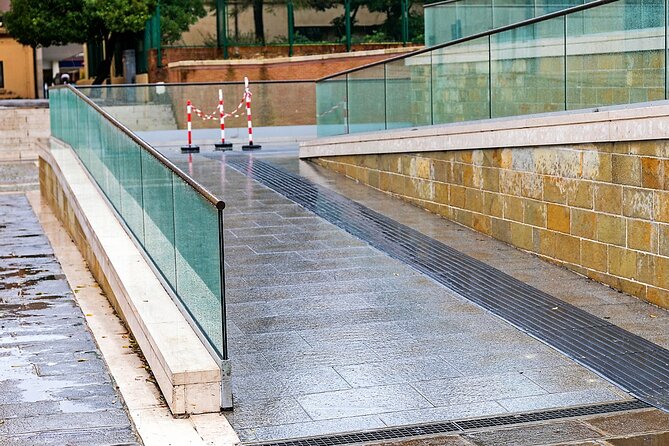
Venice is old. Like, pre-modern-everything old. That’s the heart of the problem for mobility, sensory, and cognitive access. The city is packed with bridges that require climbing up and down steps, plus long walks and confusing street turns. If you’re using a wheelchair or stroller, those barriers can turn a dream trip into a constant negotiation.
What I like about this tour model is that it doesn’t treat accessibility as a checklist. The guide plans a wheelchair-accessible route in Venice, with the key idea being avoidance: avoid too many bridges and long stretches when you’d rather spend your energy on sights, stories, and the canals.
The tour also recognizes that accessibility is broader than ramps and steps. If you have hearing loss or visual limitations, or if you’re dealing with cognitive challenges, the experience is customized to make it usable and still enjoyable. That matters, because Venice can feel overwhelming fast, especially when landmarks don’t line up the way your brain expects them to.
One practical benefit: when the route is tailored, you waste less time backtracking. You don’t have to “figure it out” from scratch while your day is being squeezed by crowds, fatigue, and stairs.
You can also read our reviews of more private tours in Venice
Your guide makes or breaks an accessible Venice day
The biggest strength here is the human factor, and the tour leans into it. The guide team includes an education-focused component on accessibility (Tourism4all), plus staff certified in BLSDu. That’s a safety and service mindset, not just sightseeing.
Two guide names come up in the recent experiences: Valerio Coppo and Genny. Valerio is praised for staying in contact before the tour to confirm timing and meeting location, which immediately helps when you’re trying to line up a smooth start. There’s also a standout detail for hearing-impaired travelers: Valerio can be very easy to understand, and he uses communication supports that help you read lips (including a mask with a viewing window). That kind of practical planning is exactly what you want on an accessible tour.
Genny is known for bringing a friendly, flexible approach and showing routes that feel more local than the standard highlights. One memorable moment included stunning views of Dorsoduro, plus a quieter atmosphere on paths that many visitors never get to see. If you’re the kind of person who wants Venice’s mood, not just its postcard corners, that matters.
In short, you’re not just paying for movement from point A to point B. You’re paying for someone to adjust the route and the communication so the day stays comfortable.
How the route works: fewer barriers, better pacing
The tour is designed around one central goal: making Venice enjoyable, even when you have physical or sensory constraints. In practice, that means your guide chooses streets and canal approaches that fit your needs, aiming to reduce stairs, reduce bridge crossings, and reduce long walks when those are the limiting factors.
Recent routes have included parts of Castello, moving northwest toward Cannaregio. That direction is often a good match for travelers who want a less hectic feel than some of Venice’s most crowded corridors. It also supports break-friendly pacing, because you’re not locked into one rigid script.
One route detail that stands out for families: the itinerary can include stops in quieter parks in Cannaregio, places where children can play and everyone can rest. If you’re traveling with a stroller or you need downtime, these types of pauses can be the difference between a “nice day” and a “we made it through with smiles.”
Another highlight that can appear on a well-matched route: viewpoints around Dorsoduro, plus a possible short canal ride. In one experience, the culminative moment was a short gondola crossing by the area near the Gritti Hotel. I can’t promise every tour includes that, but the takeaway for you is useful: if you want a fun, low-effort way to experience the water view without fighting streets, ask the guide if they can work in a short gondola moment when the route allows.
Drawback to keep in mind: because Venice is so step-dependent, the “best” accessible route is always a balancing act between beauty and barrier avoidance. Your guide can reduce problems, but you should still expect that some parts of Venice will require careful route choices.
Timing: choosing 2 hours vs. a full day
The tour length is flexible, from about 2 to 8 hours, and it stays private for your group. That range matters because wheelchair-accessible touring isn’t only about distance. It’s about energy management, sensory load, rest stops, and how long you can comfortably concentrate while moving through tight streets.
Here’s how to think about the time options:
- A shorter tour (around 2 hours) is ideal if you want orientation, a few key neighborhoods, and confidence building. It’s also a safer bet if you’re trying to keep the day light.
- A longer tour lets your guide build in more stops, more breaks, and more of the “quiet Venice” feeling that makes the city click.
There is one cost consideration tied directly to time: extra fees may apply after the first two hours. So if you’re tempted by the 6 to 8 hour range, it’s worth planning around how many breaks you realistically need, not just what sounds romantic.
Also, canal and water transit can shape timing. Water bus tickets aren’t included, and you’ll purchase them onboard. That’s normal, but it’s still a factor. If you want to use the water bus as part of your accessible route plan, build a little flexibility into your schedule so you’re not rushed at the dock.
If you’re comparing value, think in terms of comfort per hour. When a guide is designing the day around accessibility needs, the cost isn’t just for walking time. It’s for the whole coordination effort.
Accessibility for wheelchairs, strollers, and hearing needs
This tour’s accessibility concept covers more than one kind of barrier. It’s suitable for wheelchair users and travelers with strollers, and it’s also customized for sensorial and cognitive disabilities.
For mobility, the guide focuses on reducing bridges with lots of steps and avoiding long walks when that’s required for comfort and safety. For stroller travel, the same logic applies: if you’re pushing a stroller, the worst Venice moments are the ones with steep steps and long, uneven routes. A personalized route helps keep the day smoother.
For hearing impairment, the communication approach is a major plus. Valerio is highlighted for being easy to understand, and the use of a mask with a viewing window helps keep the dialogue accessible when reading lips is part of how you follow along. That’s not a small detail. It changes whether a tour is relaxing or exhausting.
For visual limitations and cognitive difficulties, the guide customizes the experience to make it usable and still enriching. Since the specifics will vary by traveler, treat this as a “plan together” experience. You’ll want to set expectations early so the guide can decide how to explain, how to pace, and how to choose stops.
One more detail that helps with independence: service animals are allowed, which matters for many travelers and families.


Price and value: what you’re really paying for
The price is $182.26 per person, with duration options and a private format. That sounds steep if you compare it to a standard walking tour, but accessibility guiding in Venice is labor-heavy. You’re paying for route design, real-time problem solving, and a guide who has accessibility education plus safety certification support (BLSDu).
You’re also getting conveniences that can reduce hidden costs:
- Pickup is offered on request, which can save you time and transfers
- The tour is private, so you aren’t forced to match a group pace that doesn’t work for you
- Group discounts may be available, which can make it more affordable for families or small traveling parties
What’s not included is straightforward but important:
- Extra fees after the first 2 hours, which can affect the price if you want a full-day outing
- Water bus tickets, purchased onboard
- In some cases, a €5 access fee on certain dates for people visiting for the day who stay outside Venice, with exemptions listed on the city page linked in the tour info
My value take: if you need wheelchair access, you’ll spend less effort negotiating Venice on your own. And if you need sensory or cognitive adjustments, the guide’s flexibility can turn Venice from stressful to rewarding. For the right traveler, that’s worth a lot.
Who should book this accessible private tour
This is an excellent match if you:
- Use a wheelchair and want a route that actively avoids trouble areas
- Travel with a stroller and want an outing designed for smooth movement and breaks
- Need communication accommodations, especially for hearing loss, where clear understanding and lip-reading support can help
- Want a calmer, more thoughtful pace, with a guide who can customize rather than push you through a rigid itinerary
- Appreciate local-feeling routes, like the quieter park stops in Cannaregio and perspective-focused viewpoints such as Dorsoduro
It’s also a good choice for people who simply don’t want to spend their day doing problem solving. Even if you’re physically able, Venice can be cognitively tiring, and a planned route can reduce decision fatigue.
Should you book it?
Book this tour if accessibility is a real priority and you want your day in Venice to feel manageable, not improvised. The private format, accessibility-trained guidance, and the strong communication support (including practical help for hearing-impaired travelers) make it a smart fit for many needs.
Skip it only if you know you don’t need route customization, or if you’re trying to keep expenses strictly low and would rather navigate independently. If you want Venice with less stress and more control, this is the kind of tour that earns its place.
FAQ
How long is the Venice wheelchair-accessible private tour?
It runs for about 2 to 8 hours, depending on the pacing and route you choose with your guide.
Is this tour private or group-based?
It is private. Only your group participates.
Do you offer hotel pickup in Venice?
Yes, pickup is offered on request.
Is the tour suitable for wheelchair users and strollers?
Yes. The route is wheelchair-accessible, and it’s also suitable for travelers using strollers.
Can the tour be adjusted for hearing, visual, or cognitive needs?
Yes. The experience is customized for sensory and cognitive disabilities so it’s usable and still engaging.
What languages is the tour offered in?
The tour is offered in English.
Are water bus tickets included?
No. Water bus tickets are purchased onboard.
Are there extra charges during the tour?
Extra fees may apply after the first 2 hours.
Are service animals allowed on the tour?
Yes, service animals are allowed.
More Private Tours in Venice
More Tours in Venice
More Tour Reviews in Venice
Not for you? Here's more nearby things to do in Venice we have reviewed


Venice Private Tours, compared.
 ★ 4.7From Venice: Murano & Burano Guided Tour by Private BoatFrom $614,170 reviews
 ★ 4.0Private 3 hrs Venice Tour: St Mark’s, Walking tour & Boat tourFrom $4803,372 reviews
 ★ 3.7Private Gondola Cruise for up to 5 PassengersFrom $1573,106 reviews
 ★ 3.9Private Gondola Ride along Grand CanalFrom $1682,475 reviews
 ★ 4.0Private Best of Venice Walking Tour with St Mark’s BasilicaFrom $2421,063 reviews
 ★ 5.0Private tour on Murano Island: discover the art of Artisanal GlassblowingFrom $108965 reviews
 ★ 3.6Private Gondola RideFrom $85757 reviews
 ★ 4.6Private Tour with a Local GuideFrom $62718 reviews
Browse the lists this tour appears in