
Tour review · WALKING TOURS
Venice: Jewish Ghetto Walking Tour with Synagogue Visits
Venice has a quieter side that matters. This Jewish Ghetto walking tour takes you off the main canal loop into Cannaregio, then into two synagogues with rare access arranged through the Jewish Museum.
What I love most is the way you get both street-level context and specific religious details, without turning it into a textbook. I also like that the tour keeps a respectful, human pace, with guides such as Claire and Martina praised for energy and clear answers.
One drawback to plan around: the Jewish Museum is closed for restoration, and the Levantine Synagogue is not visited on Fridays, so the exact lineup can change by day.
Key highlights to know before you go
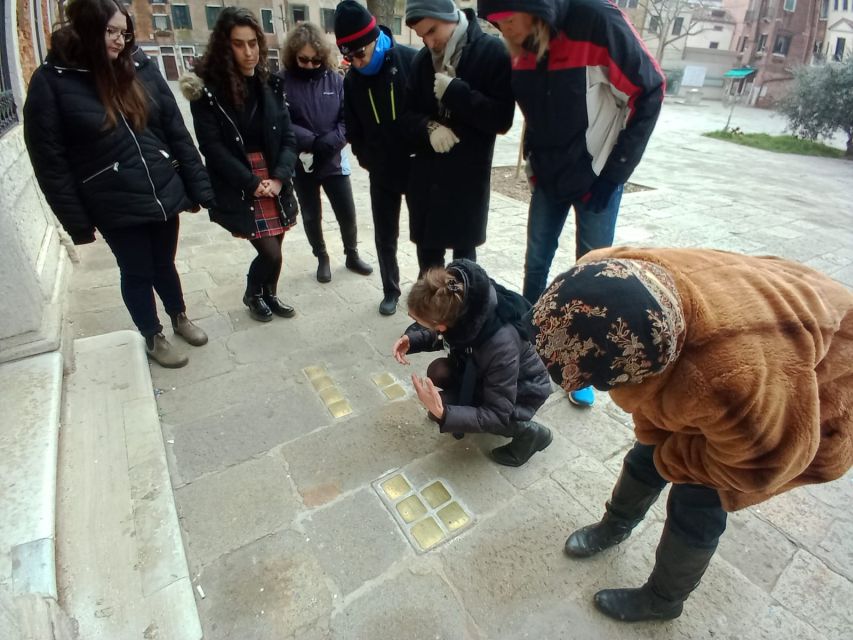
- Cannaregio focus: you walk through the Old Ghetto area at a leisurely tempo.
- Rare synagogue access: guided entry to the Spanish Synagogue and the Levantine Synagogue.
- Old Ghetto orientation: explanations of how Jewish life formed within a confined space.
- What to watch for inside: symbolism and traditions explained, including Sephardic and Ashkenazi influences.
- Meeting point in plain sight: Campo di Ghetto Nuovo, by the black drinking fountain in the center.
Campo di Ghetto Nuovo: where the real Venice begins
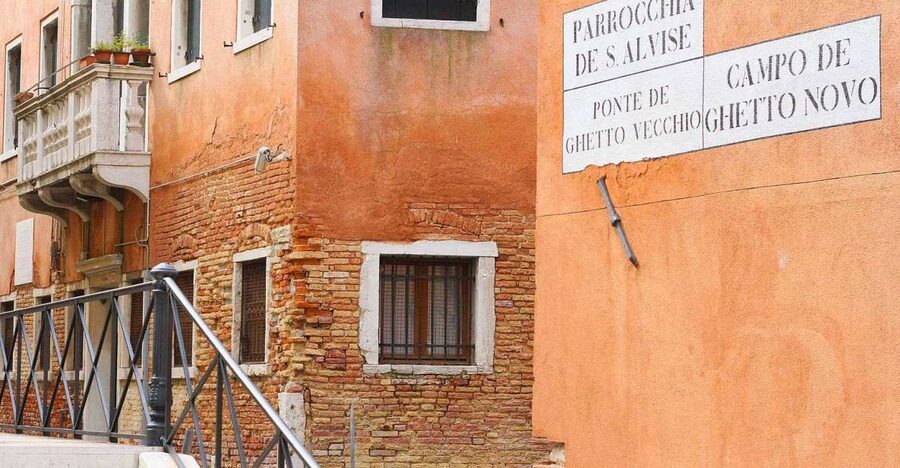
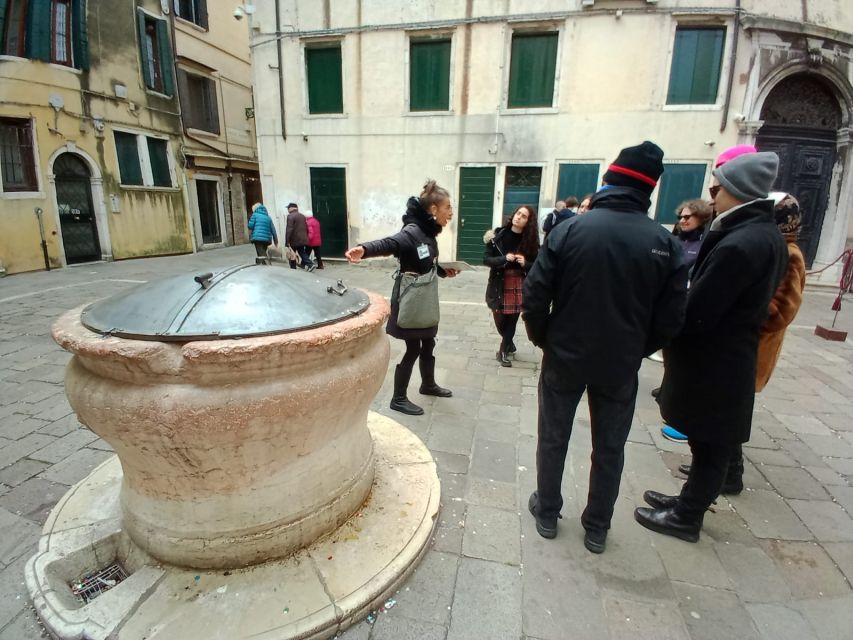
You start in Campo di Ghetto Nuovo, a square that feels built for lingering rather than rushing. The meeting point is easy to spot: a big open plaza with a black drinking fountain right in the center. Arrive 5 to 10 minutes early so you’re not scrambling through narrow alleys with the group already forming.
This tour’s best trick is that it helps you see Venice as a layered city. One minute you’re in a maze of small streets, and the next you’re hearing how those streets shaped daily life for a community that has been here since the 1500s. The ghetto is not just an old-time story. It’s part of Venice’s living city fabric, and the guide does a strong job turning “history” into something you can picture.
You can also read our reviews of more walking tours in Venice


Cannaregio streets and the shape of the Venetian Ghetto
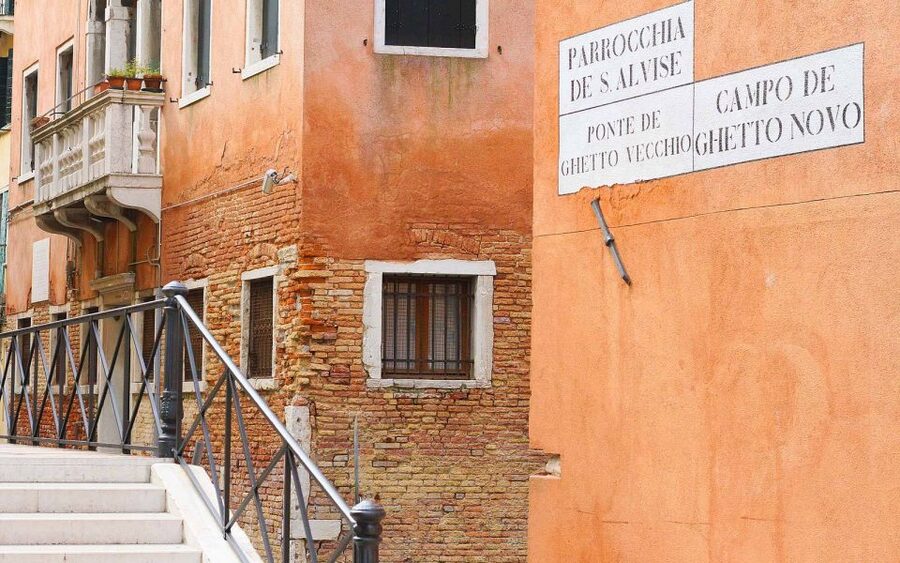
Once you leave the square, the walk settles into Cannaregio, Venice’s more residential quarter. You’ll move through the area that’s long associated with Jewish life, including the Ghetto Nuovo and Ghetto Vecchio sections.
The key idea your guide focuses on is how community life adapted to confinement. You’re not just hearing dates. You’re learning how a neighborhood with strict boundaries still generated its own routines, support networks, and cultural identity. It’s one thing to read about the ghetto. It’s another to stand in front of tall buildings and understand how architecture and urban design can control people’s lives.
Expect a steady flow of stories that connect the ghetto to wider Venetian society. You’ll hear how the community shaped the city’s social and economic world, not only its religious life. That matters because it pushes you beyond the postcard Venice everyone posts, and it gives you a grounded sense of why this corner of the city became so significant.
Ghetto Nuovo and Ghetto Vecchio: learning the neighborhood by walking it
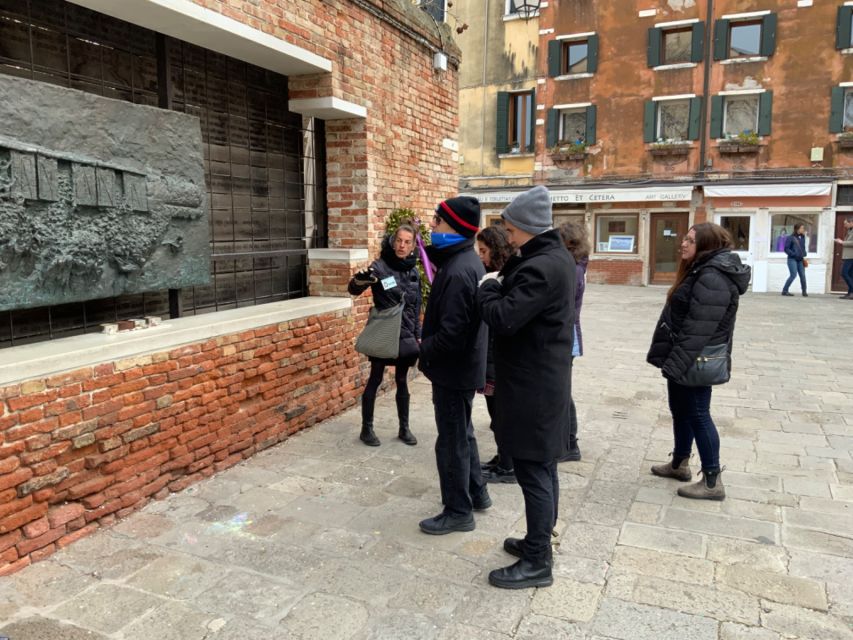
You spend time walking the core ghetto lanes, including Calle Ghetto Vecchio. This is where the “old quarter” feeling becomes real. The buildings can feel unusually tall for Venice, and the squares can feel unexpectedly intimate. That physical closeness is not an accident, and your guide uses it to explain how daily life worked in a limited footprint.
A lot of guides can list historical events. This tour aims to show you how the neighborhood functioned in practical terms: where people gathered, what it meant to live close to family and neighbors, and how tradition carried through changes over the centuries.
If you like tours where you can ask questions, you’ll likely appreciate the tone. In many accounts, guides are praised for answering freely and keeping the atmosphere open. That’s especially useful here, because Jewish history in Venice touches larger themes like coexistence, discrimination, and resilience. Having time to ask and clarify keeps the experience from turning into a one-way lecture.
Campo del Ghetto: the small square that holds big meaning
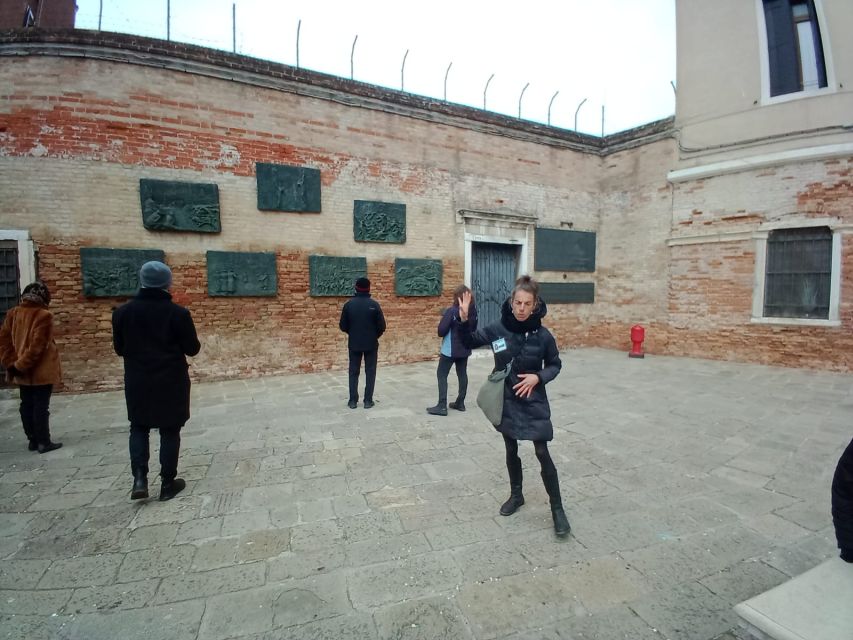
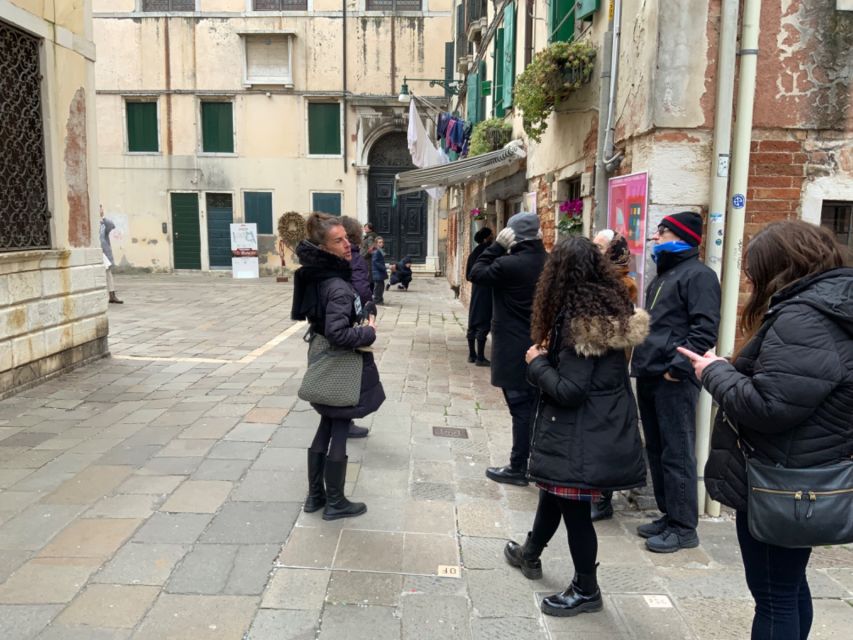
Between the streets and the synagogues, you get a feel for Campo del Ghetto Nuovo, a smaller pocket that helps you slow down. This is one of the stops that turns the tour from walking through sites into understanding place.
Look at what’s around you: the way the space works for conversation, the way the buildings frame sightlines, and how you can almost sense why a community would anchor itself in these squares. Your guide often uses these pauses to connect daily life with broader historical shifts, from the Renaissance era to modern times.
This part is also where you might notice how the neighborhood feels like a real community today, not a museum set. That’s an important difference. The goal isn’t only to remember. It’s to recognize how heritage still lives in the street layout and in the people who still move through the area.
Spanish Synagogue: what you should look for when the doors open
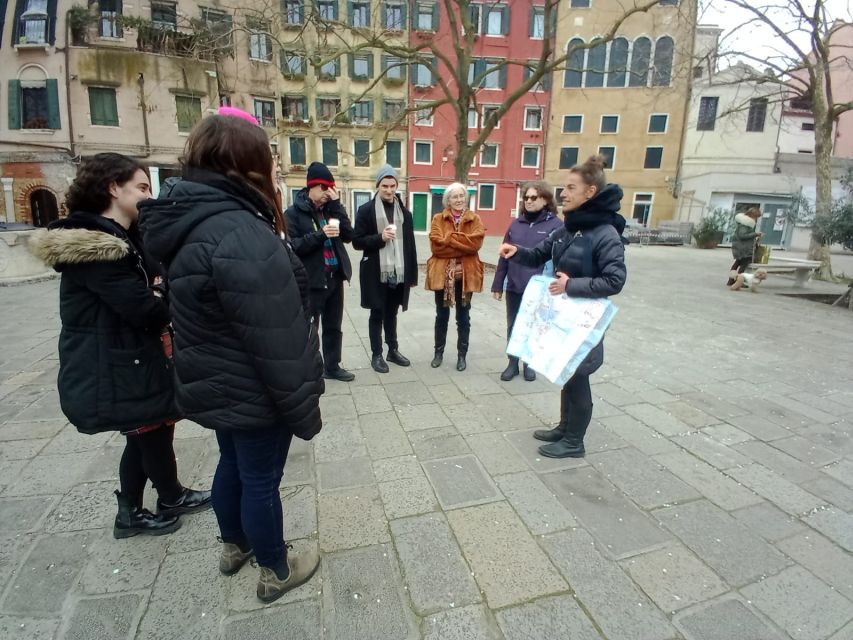
The tour’s synagogue visit portion is one of its biggest selling points. The first synagogue stop is the Spanish Synagogue. It’s scheduled as a guided visit of about 30 minutes.
You enter a space that you would never guess is there from the street. Many synagogues start with modest exteriors, and this one fits that pattern. What makes the visit work is that your guide points out architectural features and explains religious significance, rather than just letting you look around in silence.
Plan to focus on details that tie the room to identity and tradition. Your guide also covers influences that shaped the community, including Sephardic and Ashkenazi traditions. Even if you know a bit of Jewish history already, the way those influences connect to Venice can be a helpful new layer.
Practical note: there are dress rules for synagogue entry. You’ll need clothing that covers the belly, shoulders, and knees. If you show up in shorts and a sleeveless top, you might have to adjust quickly, or bring a light wrap if you want to avoid stress.






Levantine Synagogue: the second visit and the meaning behind the mix
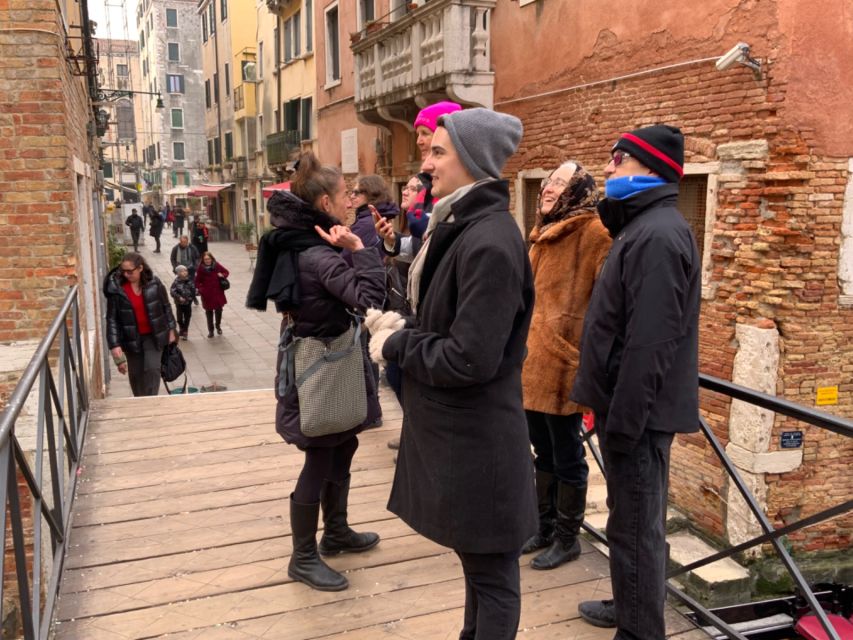
Next comes the Levantine Synagogue, also about 30 minutes, guided. This is where the tour’s storytelling often feels most personal, because your guide connects symbolism, tradition, and community development to what you’re seeing inside.
The Levantine Synagogue visit is especially valuable because it reinforces the broader message: Jewish life in Venice was not one single uniform tradition. It developed through multiple influences over time. Your guide specifically explains how different cultural and religious strands shaped synagogue life, including the Sephardic and Ashkenazi influences that appear across the room and its traditions.
One day-specific consideration: the Levantine Synagogue is not visited on Fridays. If you’re traveling on a Friday, you should expect a different synagogue arrangement than the one listed above, while still being guided through the neighborhood.
Duration and pacing: why 2 hours works so well here
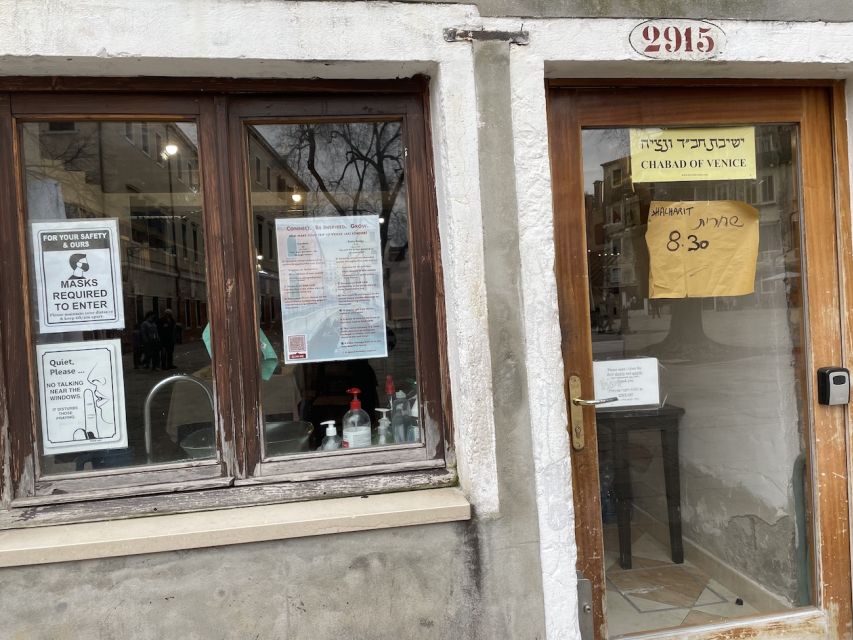
This is a 2-hour experience, with a mix of walking and guided synagogue time. That length is a sweet spot in Venice. You’re far enough into the city to feel like you’ve escaped the tourist conveyor belt, but you’re not committing your whole afternoon.
The walking segments are broken up across multiple stops, and the group returns to the start point at Campo di Ghetto Nuovo. That matters because it keeps the tour from turning into a long series of back-and-forth directions.
Also, many of the guide comments in the feedback highlight care for pace. One guide was noted for being considerate of a slower walking guest, and several guides are praised for keeping things moving while still making time for questions. If you tend to walk slower, it helps to choose a private option when available so the timing can flex.
Price and value: is $105 for 2 hours worth it?
At $105 per person, you’re paying for three things that are not cheap in Venice: a professional local guide, focused time in a compact area, and guided synagogue access.
The synagogue entry is the big value driver. These are not just photo stops. You get guided explanations inside, and those entrances are arranged with cooperation from the Jewish Museum. On a typical Venice trip, that kind of inside access costs extra, if it’s available at all.
The other value piece is how the guide connects the dots between the neighborhood and the religious spaces. If you only visit synagogues without street context, you miss why the ghetto layout mattered. If you only walk the streets without entering, you miss how symbols and traditions lived in the community. This tour blends both.
If you’re trying to choose between a general Cannaregio tour and this one, I’d go here if your priority is meaningful context and inside access. If you want only light history with zero dress rules, then this may feel more structured than you want.
Practical rules before you go (so the tour stays smooth)
There are a few non-negotiables to know ahead of time.
- Synagogue dress code: you must cover the belly, shoulders, and knees. Plan your outfit accordingly.
- No weapons or sharp objects: this includes things like knives.
- Jewish Museum closure: the Jewish Museum itself is under restoration and closed for visits. The synagogue access is arranged through cooperation with the museum, but you are not touring the museum interior.
- Start on time: you should arrive 5 to 10 minutes early, and you can’t join after the tour starts.
- Not ideal for mobility needs: the tour is not suitable for wheelchair users or people with mobility impairments.
If you meet those requirements, you’ll likely find the experience straightforward. It’s a walking tour, so comfortable shoes help. And if you want the most out of it, come with one or two questions ready, like how the ghetto system functioned, or what Sephardic and Ashkenazi influences looked like in synagogue life.
The type of traveler this fits best
This is a strong match if you’re:
- Culturally curious and want more than canal photos
- Interested in how neighborhoods shape community life
- Happy to spend time inside a couple of meaningful religious spaces
- The kind of person who likes asking follow-ups when a guide’s story sparks curiosity
It also tends to suit people who want a respectful, historical approach rather than a casual stroll. Some guides are noted for setting expectations at the start as historical rather than religious, which can help you decide if this matches your interests.
If you’re traveling with kids, there is at least some evidence that families enjoy it, but you’ll want to factor in the walking and synagogue dress rules. If you have mobility concerns, consider skipping it and pairing Cannaregio street time with a different kind of accessible museum stop.
Should you book this Venice Jewish Ghetto tour?
If you want an off-the-main-stream Venice experience that’s both walking-based and inside-the-synagogue, I’d say yes. The tour’s best value is the combination: ghetto context on the streets plus guided synagogue access that explains what you’re seeing, including the Sephardic and Ashkenazi influences.
I’d pass or adjust expectations if you’re traveling on a Friday and you specifically want both synagogue visits, because the Levantine Synagogue is not visited then. I’d also be cautious if the synagogue dress code is a hassle for you, or if mobility limits make uneven walking difficult.
If you check those boxes, this is one of the more meaningful ways to spend two hours in Venice, because it teaches you how the city worked for real people, in real space, long before it became a postcard.
FAQ
Where do I meet the tour guide?
You meet at Campo di Ghetto Nuovo, in the center of the square near a black drinking fountain.
How long is the tour?
The tour lasts 2 hours.
Which synagogues are included?
The tour includes guided visits to the Spanish Synagogue and the Levantine Synagogue.
Is the Jewish Museum part of the tour?
No. The Jewish Museum is under restoration and closed for visits, and interior museum access is not included.
What should I wear for synagogue entry?
You must wear clothing that covers the belly, shoulders, and knees.
Is this tour suitable for wheelchair users or mobility impairments?
No. The tour is not suitable for wheelchair users or people with mobility impairments.
Can I bring weapons or sharp objects?
No. Weapons and sharp objects, such as knives, are not allowed.
What if my schedule is tight, can I join after it starts?
It is not possible to join the tour after it has started, so plan to arrive a bit early at the meeting point.
More Walking Tours in Venice


More Tours in Venice


More Tour Reviews in Venice



Not for you? Here's more nearby things to do in Venice we have reviewed











Walking Tours, compared.
 ★ 3.5Venice Walking Tour and Gondola RideFrom $723,630 reviews
 ★ 4.2Rialto Bridge & Offbeat Unusual Venice Walking TourFrom $283,538 reviews
 ★ 4.0Private 3 hrs Venice Tour: St Mark’s, Walking tour & Boat tourFrom $4803,372 reviews
 ★ 4.2City Center Historical Guided Walking TourFrom $141,873 reviews
 ★ 4.7Walking Guided Tour of the City Must-See SitesFrom $441,095 reviews
 ★ 4.0Private Best of Venice Walking Tour with St Mark’s BasilicaFrom $2421,063 reviews
 ★ 4.5Venice Sightseeing Small Group Walking Tour with a Local GuideFrom $48887 reviews
 ★ 4.5Walking tour, Doge Palace, & St. Mark’s BasilicaFrom $142884 reviews
Browse the lists this tour appears in