Tour review · VENICE
Prisons’ Palace: Maleficia, Inquistion torture tools
Inquisition justice leaves a heavy feeling behind. In Venice’s Prisons’ Palace, the Maleficia exhibition pairs ancient documents with replicas of Holy Office punishment methods, including devices like a garrote and head crusher. I like that it is specific and tangible, not vague witch-lore, but one drawback is the subject matter is grim.
I also like the practical format: you have a ticket to Maleficia and an audio guide, and the whole visit fits in about 1 hour. You’ll be close to San Marco Square, but do not get tricked by the crowds at Doge’s Palace. This is a side route, right by the Doge’s Palace area, and the bridge direction matters.
At $11 per person, it is strong value if you want something different from the usual Venice sights. Just plan for a sober visit and take it at a careful pace, especially if you have mobility concerns, since it is not recommended for limited mobility.
Key things I found most compelling
- Prisons’ Palace location next to San Marco, within easy reach of the Doge’s Palace area
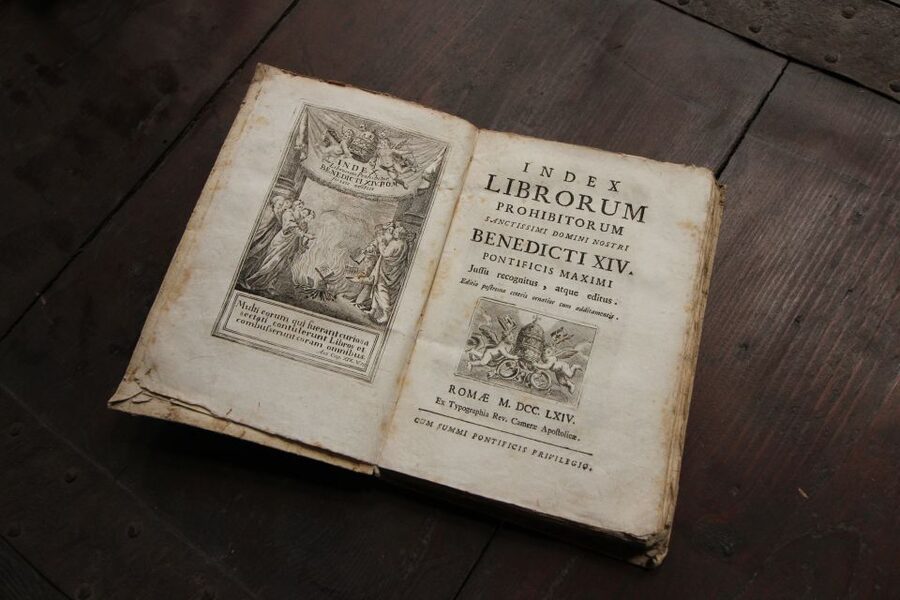
- Documents and reproductions tied to the Holy Office and witchcraft persecution
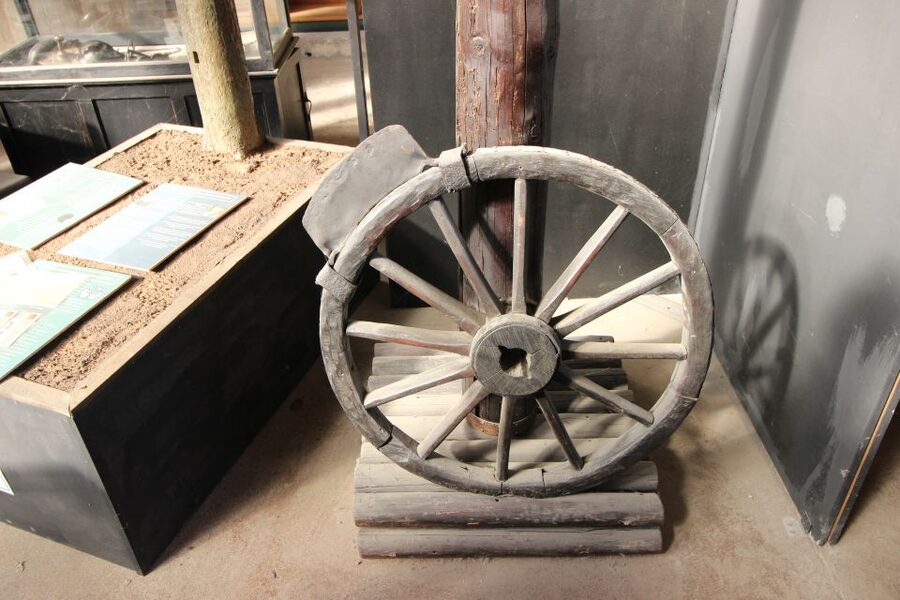
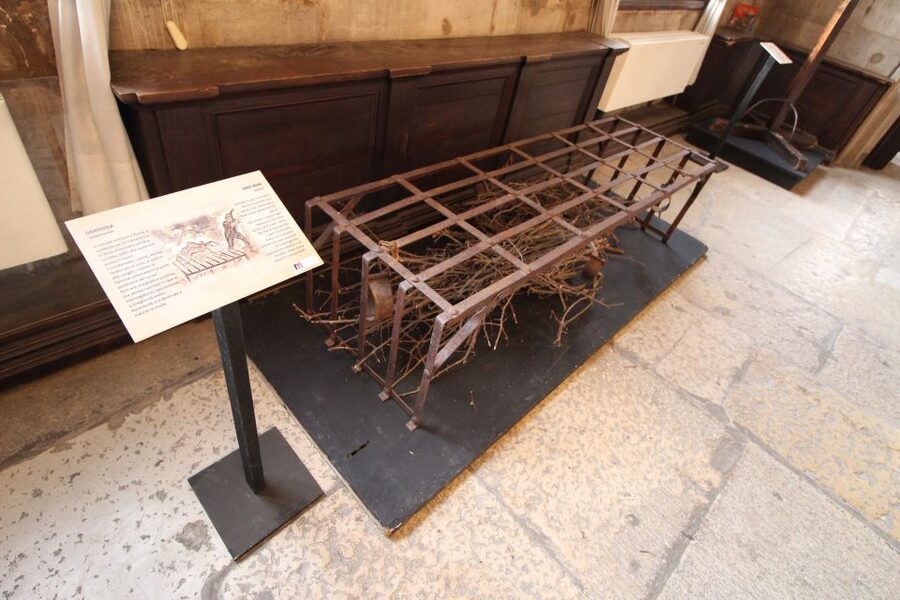
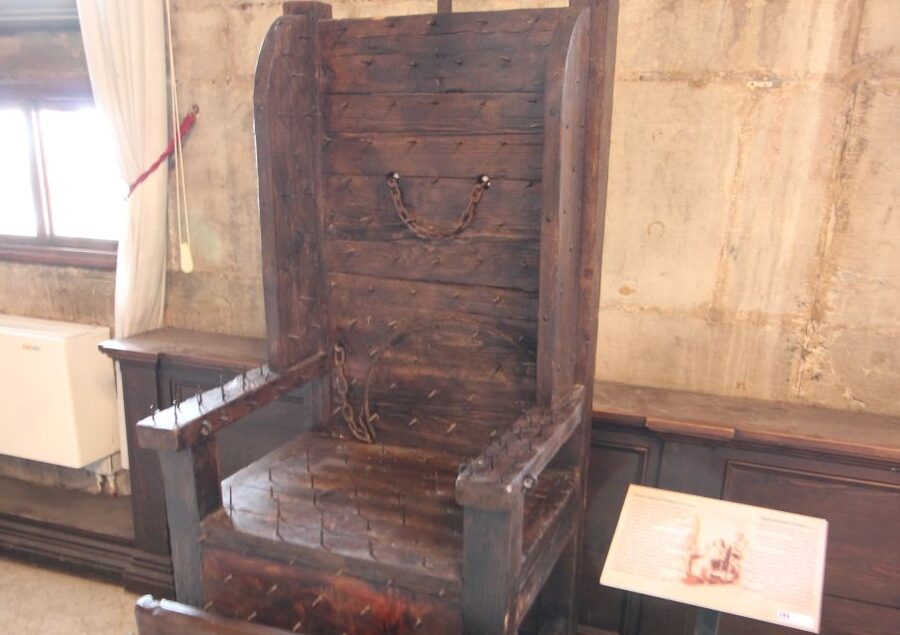
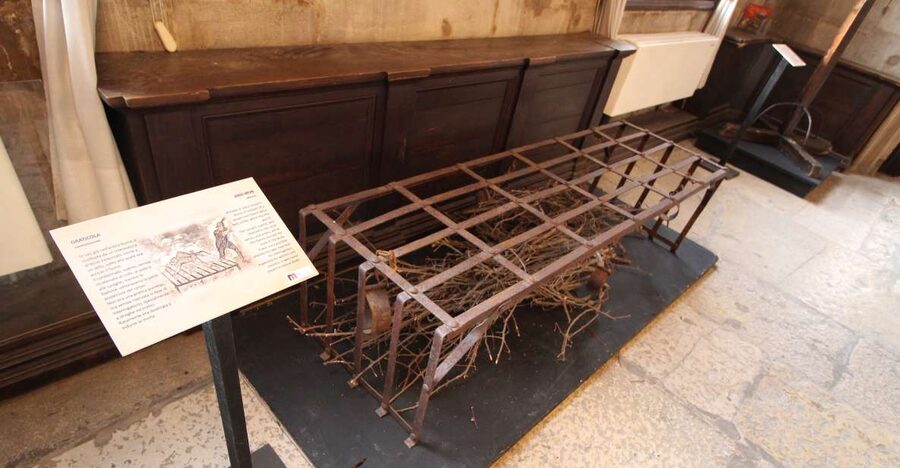
- Clear torture-device displays, including a garrote, head crusher, pillory, and whipping post
- A cell for women accused of witchcraft, adding a personal, human scale to the story
- Audio guide commentary in multiple languages, so you can go at your speed
Prisons’ Palace logistics, right by San Marco
This visit is in the Prisons’ Palace, a very walkable stop when you are already in the San Marco area. It sits right beside Doge’s Palace, but the entry is not at the Doge’s Palace entrance. If you walk in the wrong direction, you will end up at the wrong doors while other people rush past you.
Here’s the simple move: go to the Prisons’ Palace area near San Marco Square, then cross the bridge on the right side of the entrance to Doge’s Palace. It is close enough that you can mentally file it as part of your Doge’s Palace day, but separate enough that you should pay attention to that bridge.
Hours are 10:00 AM to 5:00 PM, so it fits nicely with a mid-morning or afternoon museum break. Also, the ticket is set up so you can skip the ticket line, which matters in Venice, where queues can steal the most time from your day.
You can also read our reviews of more tours and experiences in Venice.


What Maleficia shows, Holy Office witchcraft persecution in 15th to 18th centuries
The Maleficia exhibition is built around the idea that punishment was not just rumor. It uses suggestive testimonies, documents, and objects connected to the Holy Office during centuries of witchcraft persecution. Instead of giving you one scary story after another, it tries to anchor the topic in records from a tribunal system, with the timeline spanning the 15th to 18th centuries.
I like that it is not only about anonymous victims. The material also names famous accusations, including Giacomo Casanova, who was accused of dabbling in magic and the occult. That kind of detail is important for perspective: it reminds you this was not limited to the margins. The tribunal’s reach could touch people you might know from literature and history.
One more reason this matters, especially if you are a Venice regular: you get a darker angle on the Republic’s world, tied to religious authority and legal process. Venice is full of beauty. This side of the story is about power, fear, and consequences. It is a useful counterweight when you are trying to understand a place as more than postcards.
Torture instruments you can actually see, garrote, head crusher, pillory, whipping post
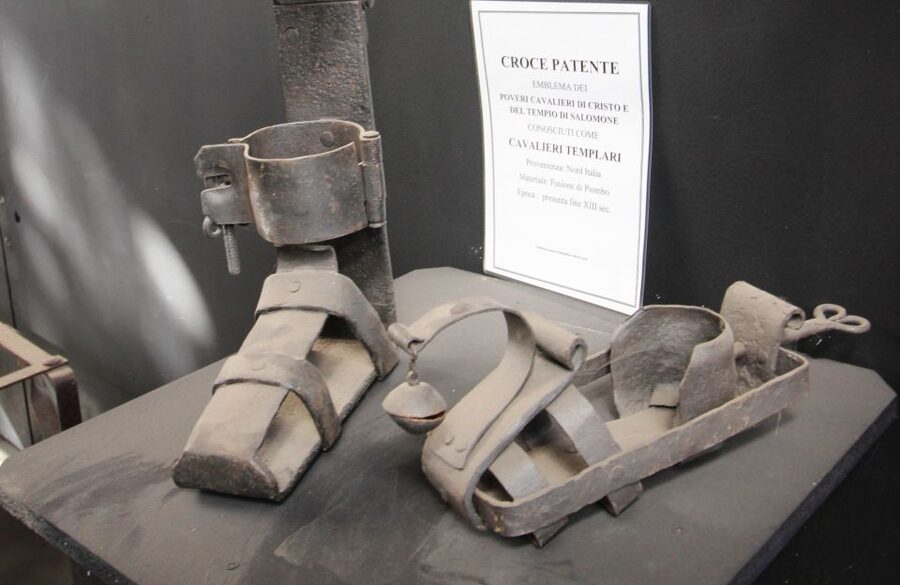
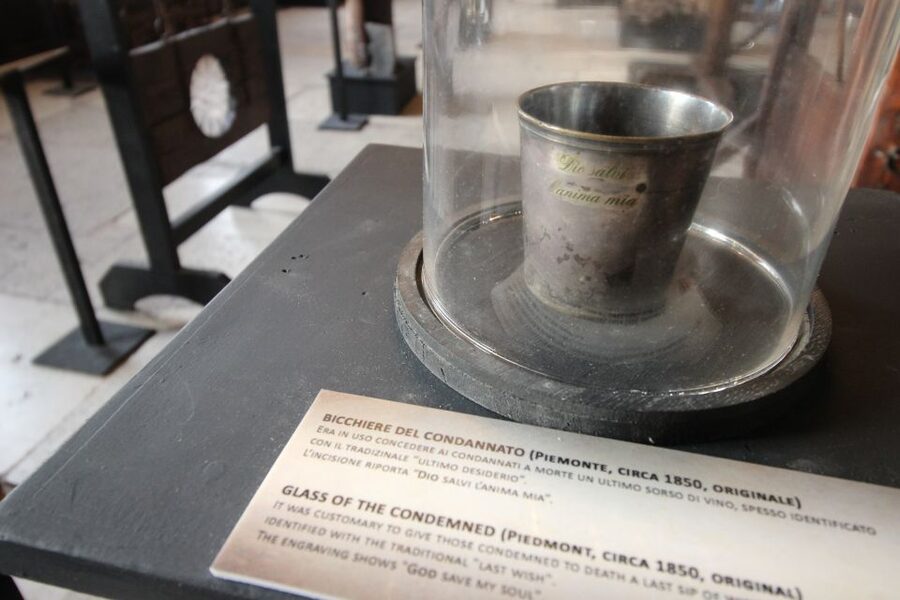
Let’s address the obvious: this exhibition includes torture devices used as part of the Inquisition’s justice. You are not just reading about them. You will see reproductions of instruments described in relation to the persecution of witchcraft, including a garrote and a head crusher, plus a pillory and an authentic whipping post.
The value here is not morbid curiosity. It is the way the objects force you to confront what the tribunal system looked like in practice. When you see a device on display, it becomes harder to reduce the subject to vague labels like torture or witch hunt. The physical design makes the logic feel disturbingly real.
At the same time, you should treat this as an emotionally heavy museum. This is not a fun family stop. The exhibition explicitly centers on condemnation to death and torture, including women accused of evil spells and magical arts. If you know you get overwhelmed by graphic historical topics, plan for a short, focused visit, and give yourself an exit option rather than pushing through.
The women’s cell and why the exhibit uses more than objects
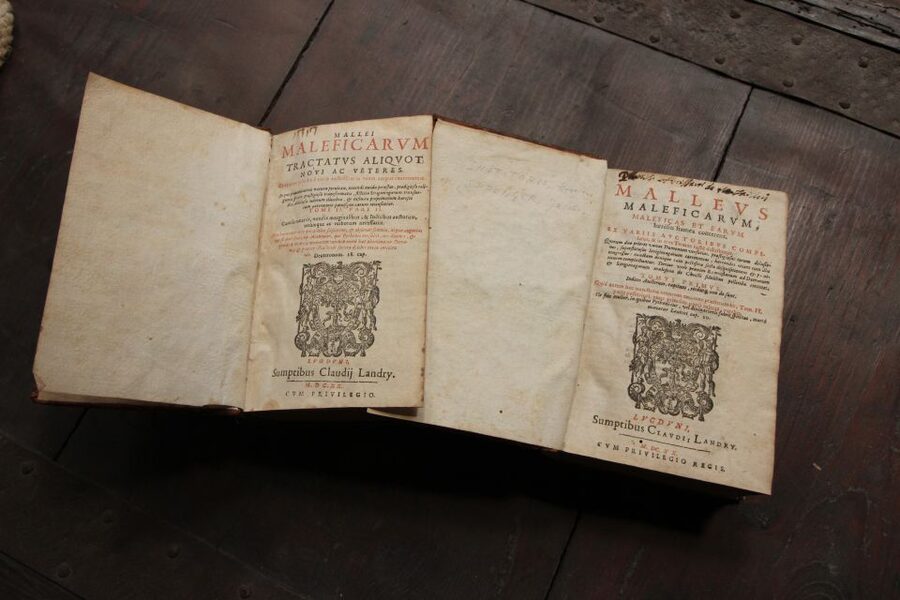
One of the highlights is a cell for women accused of witchcraft. That detail shifts the experience away from abstract mechanisms and into the lived reality of confinement. It is a reminder that these were not only public spectacles. People were held, processed, and punished.
I also appreciate the balance between documents and replicas. The exhibition combines original materials and reproductions, along with ancient documents used by the Holy Office. That approach helps you make sense of what you are seeing. With only devices, you might fixate on shock. With only documents, you might get lost in formal language. Here, they work together.
The exhibit’s framing encourages reflection on suffering and on how legal authority operated when superstition and fear gained traction. You are left thinking about cause and effect: an accusation could become a mechanism, and a mechanism could become punishment. It is one of those museum experiences where you walk out quieter than you walked in.
How the audio guide helps you pace the 1 hour visit
Your ticket includes an audio guide commentary, and it is available in English, French, Italian, and Spanish. That is a big deal for value, because a museum without explanation can turn into a quick scan of objects. Here, the audio support means you can understand what you are looking at without needing to hover over signage.
The visit is short, about 1 hour, so pacing matters. I would treat it like a focused stop rather than a full museum morning. Use the audio guide to decide where to spend your attention. If something grabs you, pause a moment and let that section land. If you feel yourself getting tense, move on. You do not need to absorb everything at maximum intensity in one sitting.
Also, the meeting point instructions are meant to prevent wasted time. Once you arrive at the correct place, the audio guide format makes it easier to start immediately instead of hunting for information on the spot.




Price and value, $11 for a close-to-San Marco historical stop
For $11 per person, you get an entrance ticket to the Maleficia Museum and the audio guide. In Venice terms, that is a fairly efficient use of time and money, especially if you are already planning to be near San Marco and want to avoid adding a distant transport leg.
The biggest part of the value is the content concentration. This is not trying to cover every page of Venetian history. It focuses on a very specific theme, Holy Office justice during witchcraft persecution, and it supports that theme with documents and visible instruments.
At the same time, there is a realistic consideration: some people may want more context or broader coverage. The low-rated feedback you might see around this kind of topic is often about the feeling that Venice could tell more. If you are expecting a wide-ranging, multi-room narrative across all of Venice’s witchcraft history, this may feel narrower than you hoped. If you want a focused exhibition with concrete objects, it is easier to feel satisfied.
Overall, the time cap of about 1 hour helps you fit it between bigger, longer landmarks.
Who should book this Maleficia visit, and who should skip
This is best for adults, history-minded travelers, and anyone who wants an evidence-based look at how a tribunal system worked during witchcraft persecution. If you are the type who enjoys primary documents and tangible artifacts, you will probably appreciate the way Maleficia uses documents and reproductions alongside devices.
You should think twice if you want a light, scenic stop. The exhibition includes a prison cell and torture instruments such as a garrote, head crusher, pillory, and an authentic whipping post. It is designed to trigger reflection on suffering and condemnation, not to entertain.
It is also not recommended for people with limited mobility and is not suitable for people with mobility impairments. The tour information is clear on that point, so if access is a concern, plan an alternative museum nearby that matches your needs.
Should you book the Prisons’ Palace Maleficia exhibition?
Book it if you want a short, close-by San Marco experience that is different from the usual Venice highlights, and if you feel comfortable with a serious theme. The strongest reasons to go are the combination of documents, reproductions, and specific torture instruments, plus the women’s cell that makes the story feel human.
Skip or reconsider if you are avoiding grim historical subject matter, or if mobility access is an issue for you. Also, if you expect a huge, sweeping narrative, the format may feel tighter than you want.
If you like learning from objects and official records, this is a solid use of an hour in Venice, with strong value for the price.
FAQ
Where is the meeting point for Prisons’ Palace and the Maleficia Museum?
Prison Palace is close to San Marco Square beside Doge’s Palace. Don’t go to the Doge’s Palace entrance. To reach Prisons’ Palace, cross the bridge on the right side of the entrance to Doge’s Palace.
How long does the visit last?
The duration is listed as 1 hour.
How much does it cost?
The price is listed as $11 per person.
What is included with the ticket?
Your ticket includes entrance to the Maleficia Museum and commentary by audio guide.
Is the audio guide included, and what languages are available?
Yes, the audio guide is included. It is available in English, French, Italian, and Spanish.
What hours is the museum open?
The opening hours are from 10:00 AM to 5:00 PM.
Can I skip the ticket line?
Yes, it includes skip-the-ticket-line access.
Is this suitable for people with limited mobility?
No. It is not recommended for people with limited mobility, and it is not suitable for people with mobility impairments.
What can I expect to see in the exhibition?
You can expect reproductions, ancient documents used by the Holy Office, and instruments of justice related to witchcraft persecution, including a garrote, a head crusher, a pillory, an authentic whipping post, and a cell for women accused of witchcraft.
Is free cancellation available?
Yes. You can cancel up to 24 hours in advance for a full refund.