
Tour review · MURANO GLASS TOURS
Murano: In Depth Glass Factory Guided Tour
Standing close to real Murano glass masters changes everything. In this 50-minute guided factory tour, you get a step-by-step look at how glass goes from batch mix to hot molten work to polished pieces, with explanations delivered in clear English. I especially like the chance to stand near the action while shapes form in real time, and I love how the tour walks you through each room instead of just rushing past equipment.
One possible drawback to plan around is that the tour is English only, so if you’re not comfortable in English, you may prefer a different option.
Key moments that make this tour worth your time
- Batch Room basics: see sand and chemicals mixed for the glass melt (then understand the jump to the furnace)
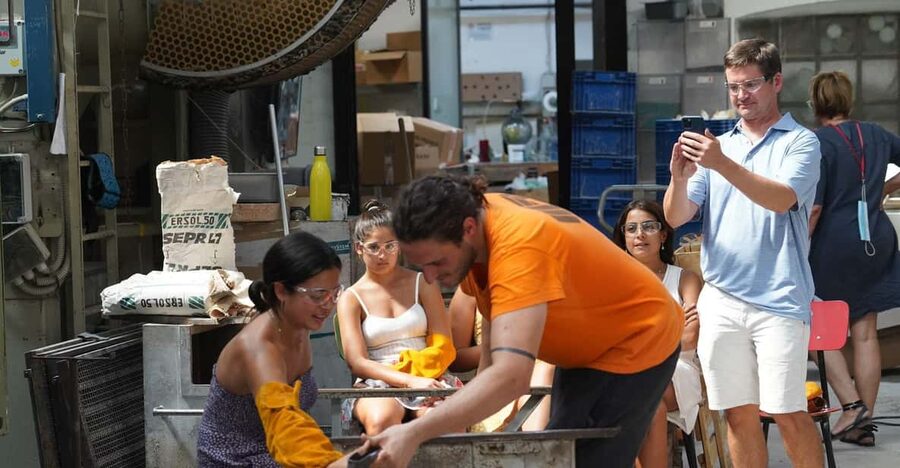
- Live hotshop viewing: watch glass masters shape and blow pieces using the tools of the trade
- Coldshop processing: get a clear look at how glass is carved, drilled, cut, flattened, and polished
- Small-group feel (max 8): you’re close enough to see details and ask questions
- No pressure shopping: you can learn without feeling pushed to buy
Murano Glass Factory Tour, in 50 Minutes: What the Timing Really Gives You
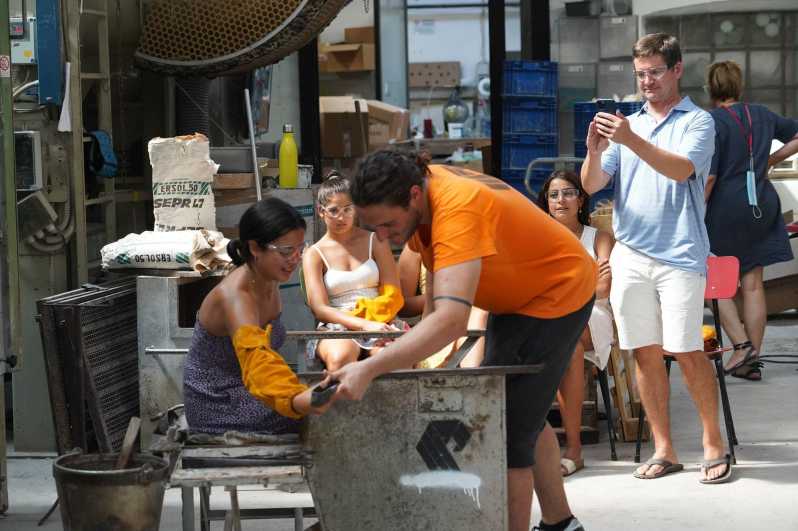
This tour is built for people who want the real workflow, not a quick photo stop. You have 50 minutes to move through the factory zones and get the production story in order, from raw materials to finished results.
I like that it stays focused. You’re not stuck listening to a long lecture while you peer through the glass from far away. Instead, you can see how the process shifts when the glass is ready for shaping, and then you see how it’s made crisp and clean at the finishing stage.
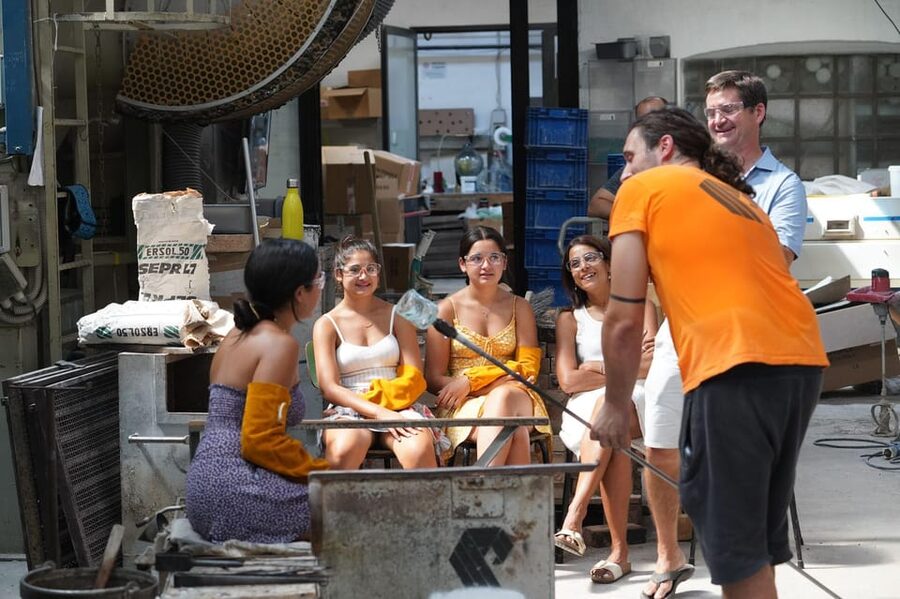
The group size helps a lot. With a maximum of 8 participants, the guide can answer questions and you’re positioned close enough to understand what you’re looking at.
You can also read our reviews of more guided tours in Venice


Arriving, Checking In, and Getting to the Right Place (Not the Factory Entrance)
Here’s a practical detail that saves confusion: the meeting point is in their gallery, where you check in first. It is not the factory floor itself, and you’ll be led from there afterward.
If you’re staying on mainland Venice, plan for extra travel time. Depending on where you are, the trip to Murano can take up to 50 minutes, so don’t schedule this like it’s a quick hop across a bridge.
Also, timing matters for the calendar. The factory does not run tours on Saturdays and Sundays (and it is closed on Sunday). If your Venice plan includes weekend days, you’ll want to book a weekday.
The Batch Room: Where Sand Meets Chemistry and a 1400°C Furnace
The Batch Room is the start of everything, and it’s worth treating it like the foundation, not a pre-show. You’ll see how sand and other chemicals are mixed to create the batch that will later become glass once it hits the heat.
The tour specifically frames this with the key temperature point: the batch goes into a 1400°C furnace. That number matters, because it helps you connect the small mixing step to the dramatic transformation that happens next.
What I find useful here is the logic. You start to understand that Murano glass quality is not only about the final blowing moment. It’s about how the recipe sets up the melt, and how the glass behaves when it’s ready to shape and refine.
Hotshop: Where the Glass Masters Work, and You Watch Shape Take Form
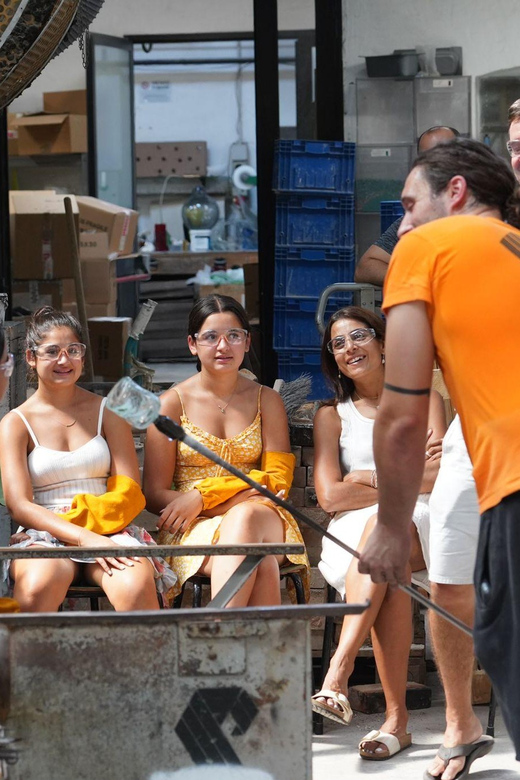
The hotshop is where the tour earns its wow factor. This is the room where the melting process turns chemistry into workable molten glass and where you get an overview of the tools used during production.
Then the best part happens: you watch glass masters at work, shaping glass right in front of you. It’s one thing to see glass items for sale, and another to see how quickly the material can shift from a lump to a crafted form.
A strong detail from the experience is the attention to questions. In my view, the guide does well here by explaining what you’re seeing as the process changes, so you don’t end up with a blur of activity.
If your guide is Marco, even better. One visitor thanked Marco for the introduction and said the explanation made it easier to understand the factory process, even without booking the hands-on class.
Coldshop: Carving, Drilling, Cutting, Flattening, and Polishing
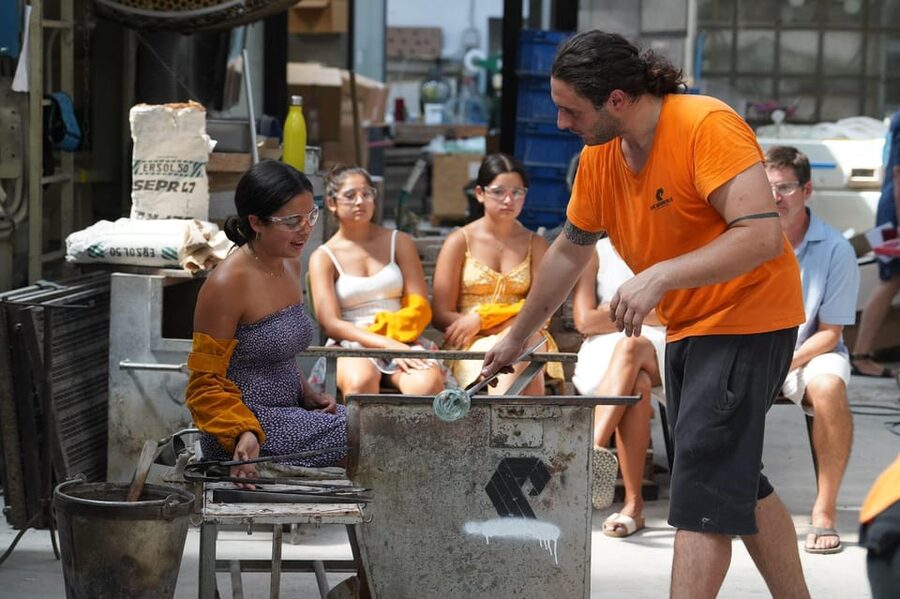
Once the glass is shaped, it’s not automatically finished. The tour moves into the coldshop, where the work shifts from heat-driven shaping to precision finishing.
You’ll see machines and processes tied to the final look and feel, including glass carving, drilling, cutting, flattening, and polishing. This is the stage that helps a piece go from functional to refined, and it’s where you start noticing that craftsmanship is also about control and finishing consistency.
This part of the tour often surprises people. They expect the magic to be only in the hot moment. Instead, the coldshop shows how much effort goes into edges, surfaces, and final clarity.



How This Feels Different From the Typical Murano Shop Circuit
Murano can be a maze of glass showrooms. Some are excellent, some feel more like a sales funnel with a quick explanation pasted on.
This experience cuts through that. It’s focused on how glass is made, with step-by-step coverage of each production area, and you watch the making happen live.
I also like that it’s not a tourist trap in the sense that there’s no obligation to buy. You can treat it like a skills-and-process visit, not a pressure purchase.
And because the group is small and the guide talks you through what you’re seeing in each room, it’s easier to build real understanding. By the time you exit, you’re not just thinking glass is pretty. You’re thinking about materials, heat, timing, and finishing.
Price and Value: Is $34 Worth It?
At $34 per person for a 50-minute guided tour, the value comes from the structure, not from a souvenir. You’re paying for access to the factory zones and a guide who ties the rooms together into one clear story.
Two value boosters stand out. First, safety glasses are included, which signals this is a working environment, not a staged showroom. Second, the small-group cap of 8 keeps you close to the action and gives you a better chance to ask questions.
If you’re deciding between this tour and buying something in a shop, I see it like this: the tour helps you understand what you’re looking at. After the tour, you’ll be more likely to appreciate the differences between styles, finishing quality, and the kinds of techniques used to get a certain look.
If you’re set on learning but short on time, this format is also a practical compromise. You get the full workflow overview in one sitting.
What to Wear and What to Avoid Inside the Factory
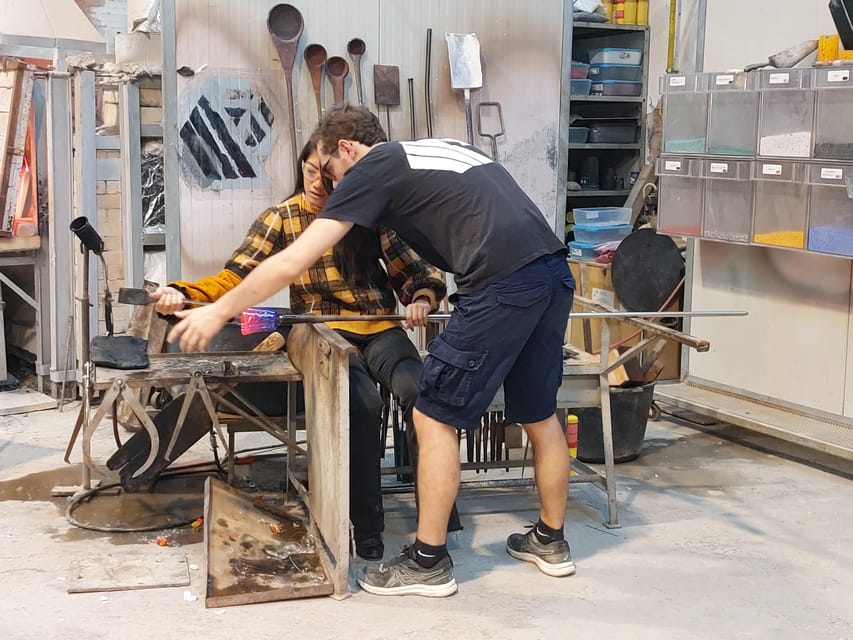
This is a place where practical clothes win. You’ll want comfortable shoes with closed toes. Sandals and flip flops are not allowed.
It also makes sense to skip anything that could interfere with the working setup. Alcohol and drugs are not allowed, and the tour asks you to keep things straightforward.
If you tend to get cold easily, note that the tour is not recommended for people with a cold. The same goes for people with epilepsy, and it is not suitable for wheelchair users or people with mobility impairments.
Who This Tour Suits Best, and Who Might Want Another Plan
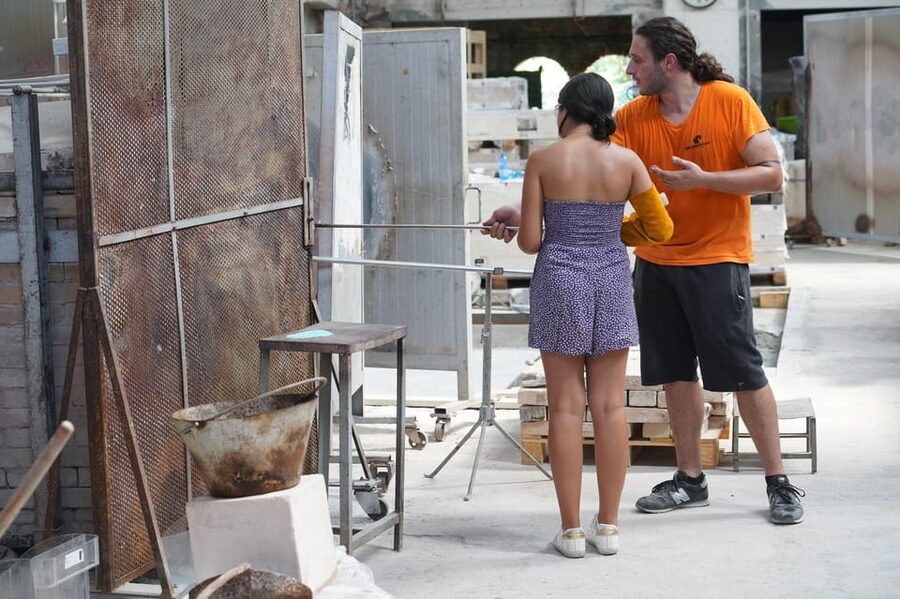
This tour is a great fit for people who want a clear production narrative. If you’re the type who likes seeing processes in order, you’ll probably enjoy how the guide explains the batch stage, then the hotshop, then the coldshop.
Families can do well here too. One review mentioned that kids loved it, which makes sense because you get live making plus a simple room-by-room story.
You might want to choose something else if your group includes anyone who cannot meet the participation requirements. With restrictions for mobility, wheelchair access, epilepsy, and colds, it’s best to check early rather than assume.
If you’re traveling fast and want to avoid getting stuck in repetitive sales stops, this tour gives you a real factory experience without turning it into a half-day commitment.
Pair It With Your Murano Day: A Simple Scheduling Strategy
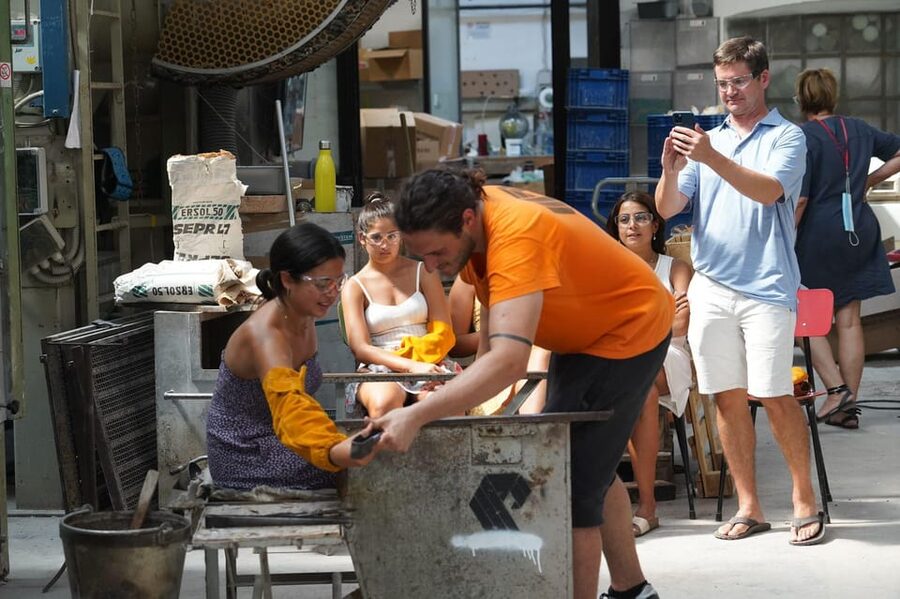
If your goal is to see Murano with new eyes, schedule this tour earlier in your Murano time. After you’ve seen how pieces get made, you’ll walk through the rest of the island with a better sense of what you’re looking for.
Also, since there are no tours on Saturdays and Sundays, build your plan around that. Book a weekday slot if possible, and use weekend time for slower exploring, photos, or other indoor stops that match your pace.
Finally, wear shoes you can stand in. Even though the tour is under an hour, it’s a working space and you’ll want to stay comfortable while you watch shaping and finishing.
Should You Book This Murano In Depth Glass Tour?
I’d book it if you want a real process view of Murano glass in a short, organized visit. The tour hits the three essential rooms, and you get to watch master glass workers shape glass right in front of you, not just see finished products behind a counter.
You should skip or reconsider if English is a problem for your group, or if anyone has limitations related to mobility, epilepsy, or illness like a cold. Also remember the weekend issue if your trip lands on Saturday or Sunday.
If you’re choosing based on value, this is a strong option. You pay $34 for a close-up, guided, small-group look at sand, heat, shaping, and finishing. That’s a lot of understanding for one 50-minute stop, especially in a place where many visits can feel like shopping first and learning second.
FAQ
How long is the Murano In Depth Glass Factory Guided Tour?
The tour lasts 50 minutes.
Is the tour led in English only?
Yes. The tour is only led in English.
Where do we meet for the tour?
You meet at their gallery for check-in. The experience is not in the factory itself, and you’ll be led there afterward.
How big is the group?
The tour is a small group limited to 8 participants.
What should I wear?
Wear comfortable shoes with closed toes. Sandals or flip flops are not allowed.
Is it suitable for wheelchair users or people with mobility impairments?
No. The tour is not suitable for people with mobility impairments and wheelchair users.
Does the price include anything, and do I have to buy glass?
Safety glasses are included. The experience is described as having no obligation to buy.
More Guided Tours in Venice


More Tours in Venice

More Tour Reviews in Venice



Not for you? Here's more nearby things to do in Venice we have reviewed





Murano Glass Tours, compared.
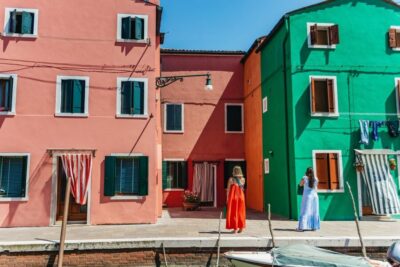 ★ 4.3Boat Trip: Glimpse of Murano, Torcello & Burano IslandsFrom $2915,699 reviews
 ★ 4.4Burano, Torcello & Murano Boat Tour w/GlassblowingFrom $2810,245 reviews
 ★ 4.2Murano and Burano Boat Tour with Glass Factory VisitFrom $349,527 reviews
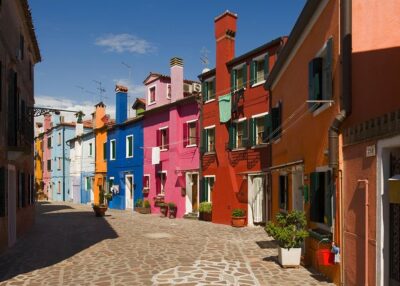 ★ 3.5Murano, Burano and Torcello Half-Day Sightseeing TourFrom $257,928 reviews
 ★ 4.5Murano & Burano Islands Guided Small-Group Tour by Private BoatFrom $367,580 reviews
 ★ 4.4Murano & Burano Panoramic Boat Tour w/ GlassblowingFrom $296,212 reviews
 ★ 4.4Murano, Burano, Torcello, and Glass Factory TourFrom $405,563 reviews
 ★ 4.5Venice Islands: Murano Glass & Burano Colors Guided VisitFrom $254,581 reviews
Browse the lists this tour appears in