
Tour review · FOOD & DRINK
Easy Grappa Tasting in Venice
Venice has a quick grappa lesson. In 30 minutes at Poli Grappa, you taste three styles and learn how they’re made with guide Jessie. The session is focused and short, so if you want a long sit-down, plan something else for after.
I like that this is built for real people, not wine-geek homework. It’s about a 3-minute walk from San Marco square, the group stays small (max 8), and you can get guidance in English or Italian. One possible drawback to consider: you’ll be drinking at a quick pace, so pace yourself and don’t schedule anything too tight right after.
Key points before you go
- Three grappa styles in one tasting: young, barrique-aged, and naturally infused
- Guide-led production and history talk focused on what you taste, not trivia dumps
- Small group format limited to 8 participants
- You can steer the tasting if you want to focus on one style
- Central Venice meeting point roughly a 3-minute walk from San Marco square
- 30 minutes total so it fits easily into a day of walking
Poli Grappa in Venice, and why this 30-minute format works
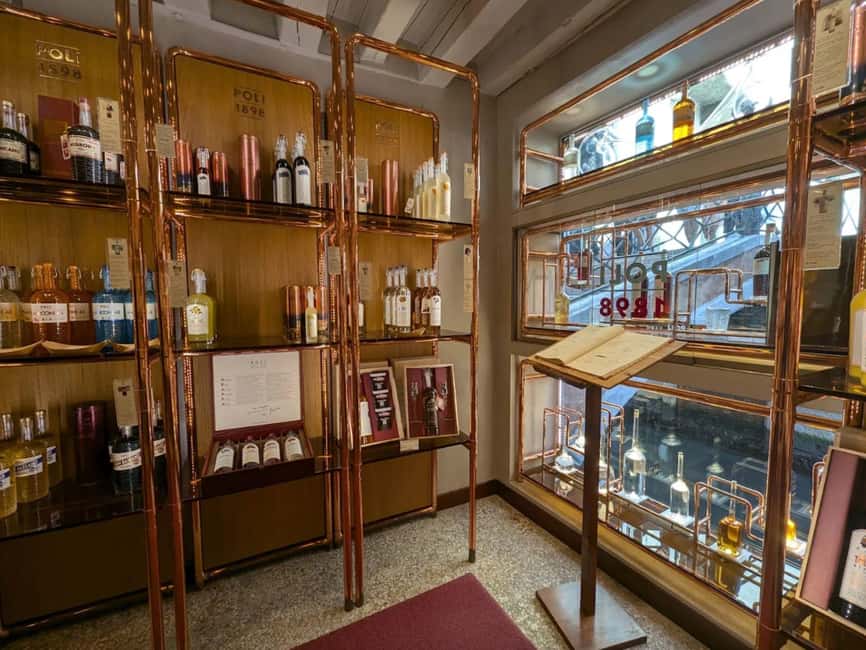
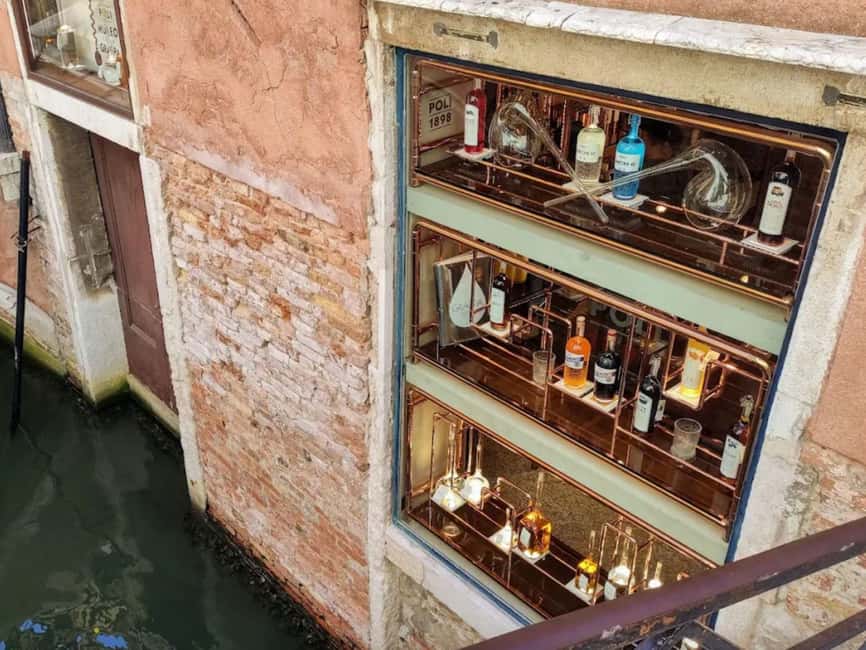
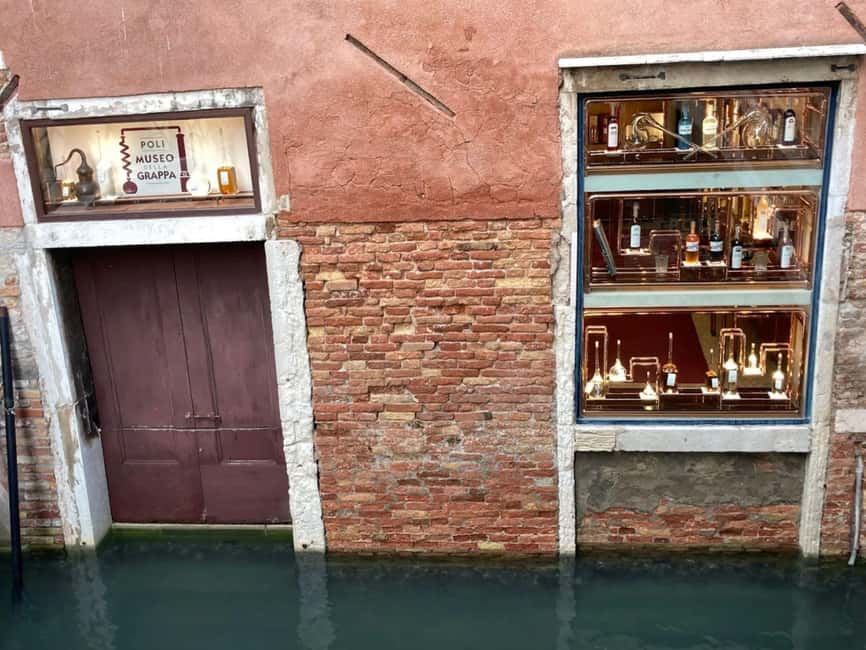
If you only have so-so time in Venice, this is the kind of stop that makes it count. You meet at Poli Grappa in the city center, then settle into a tasting that lasts about 30 minutes. That matters, because Venice is best when you keep moving, and it’s easy to lose the day to long lines and longer detours.
What you’re actually buying with this experience is not just a sip of alcohol. It’s a guided way to understand the spirit in a simple structure: what the base spirit is, how aging changes it, and how infusion can shift the aromas and flavor direction. You don’t need a big class or a full afternoon. You need enough context so your taste buds know what to look for.
The small group cap of 8 participants also helps. You’re not hidden behind a crowd, and the staff can respond when you ask questions. This is one of those “short but not shallow” tastings that can make your later purchases smarter too, because you’ll know what difference you’re paying for.
You can also read our reviews of more food & drink experiences in Venice


Your tasting lineup: young grappa, barrique-aged, and naturally infused
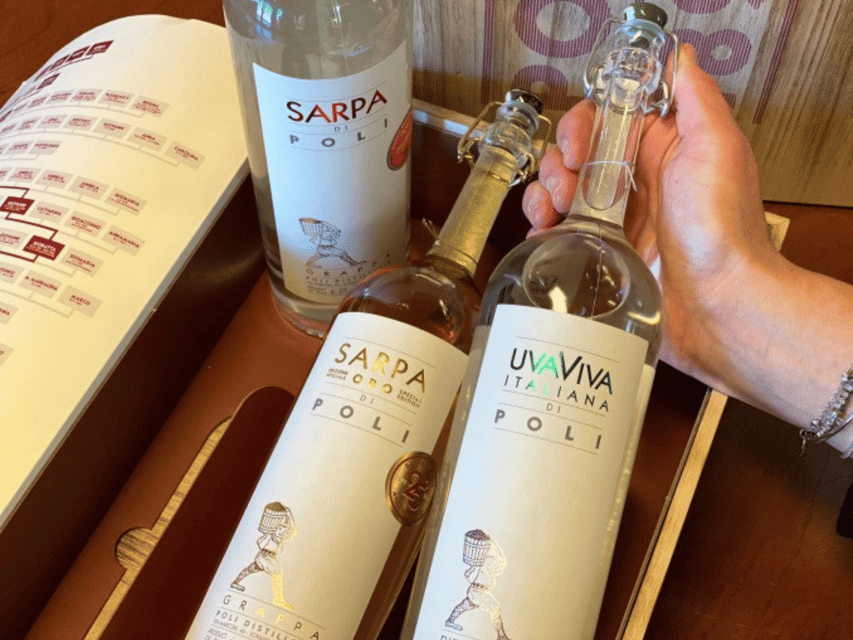
The core of the experience is tasting three distinct grappa styles, with staff guidance as you go.
First up is young grappa. This is the fresh, unaged style where the grapes and distillation character tend to be the main voice. In practice, that usually means you’ll notice the sharper edge of youth: clearer grape impressions and more immediate aromatics. It’s a good baseline, because once you know the “start point,” the other samples make more sense.
Next is barrique-aged grappa. The idea here is time plus oak. In the tasting, you’re looking for complexity and depth that weren’t there in the young sample. Expect more layered aromas and a smoother feel, plus the kind of warmth that oak can add. Even if you don’t want to become a grappa sommelier, aging is one of the biggest knobs you can learn in one go, because it changes texture and flavor direction quickly.
Finally there is naturally infused grappa, where the flavor changes come from natural ingredients added into the process. This is where grappa can feel more surprising, since infusion can shift the aroma profile toward fruit, herbs, or other ingredient-driven notes. The useful part is not memorizing tasting terms. It’s learning how infusion works as a method, so you can recognize quality in the glass.
How grappa production gets explained without turning into a lecture
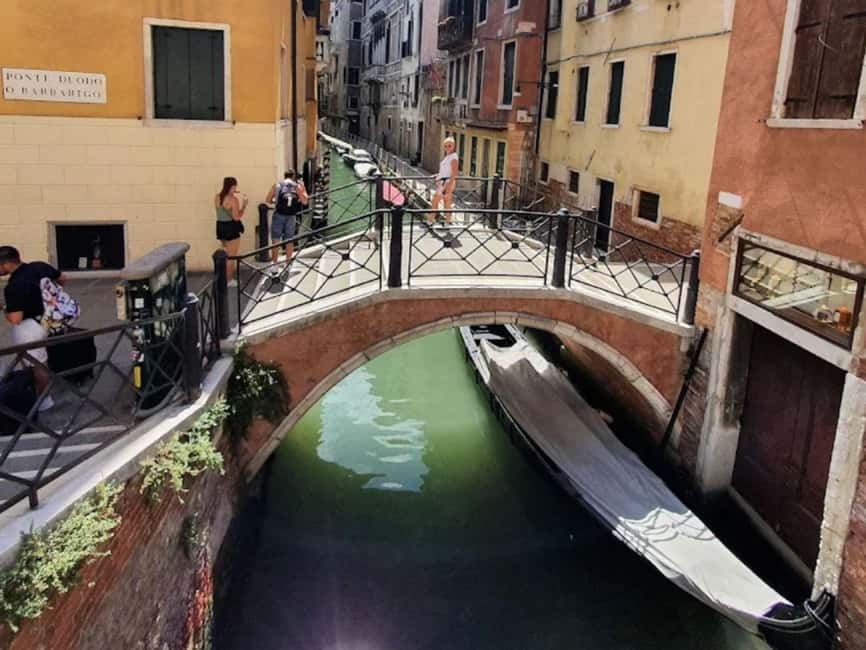
A big reason I’d choose this experience is how it connects production methods to your actual tasting. The staff introduces the history and production of grappa, then ties each sample to what you should notice.
You’ll hear about the key steps in how grappa is produced and what makes each style different. The tasting guidance includes details like the grape varieties used, plus tasting notes and interesting facts tied to what’s in your glass. The shop also has an interesting book available to browse, so you can keep going after the tasting if you want more depth.
One practical benefit for you: you can request a focus. If your priority is only young grappas, barrique-aged grappas, or infused liqueurs, they’ll accommodate your preference. That turns the experience from a fixed menu into something closer to a personal mini-lesson.
And if you’re the type who gets overwhelmed by too many tasting descriptions, this format still works. You’re tasting three points on a simple map. Young gives you baseline, barrique shows aging effects, and infusion shows ingredient influence.
Why barrique aging matters for what you taste in the glass
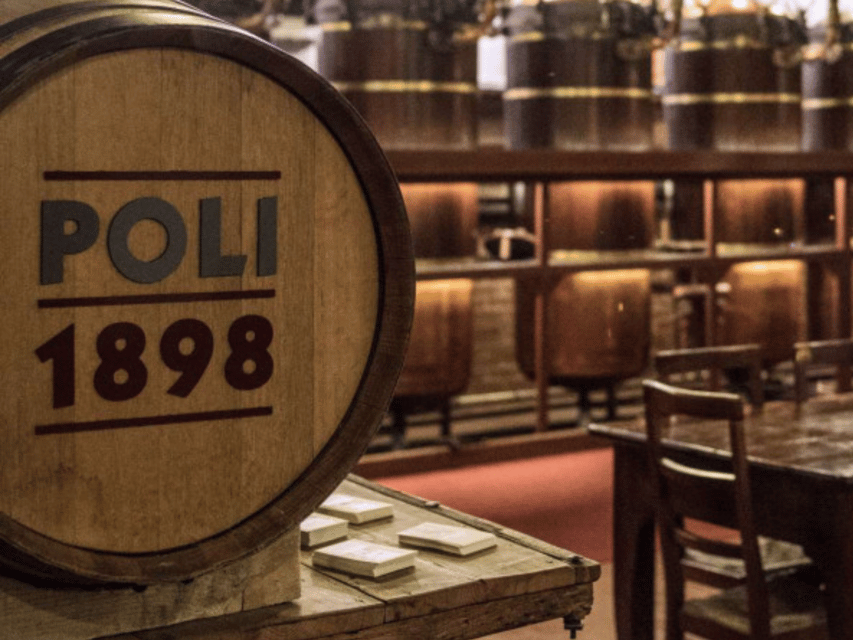
Barrique-aged grappa is where many people start to understand why “grappa” is not just one thing. Barrique aging is about oak contact, and oak is more than sweetness. It can change perceived smoothness, add aromatic complexity, and round off edges that can feel sharp in younger spirits.
In your session, this is presented as a method you can taste. You’re not just told that oak changes flavor. You compare the barrique sample directly against the young one, back to back. That instant comparison is the fastest way to learn.
I also like that this section is guided. The staff can help you pick out notes you might miss if you’re tasting on your own. You’ll likely hear prompts for what to look for in aroma and flavor. Think of it like learning to read a label, but with your nose and palate doing the work.
If you’re shopping afterward, this is the practical payoff. You’ll know whether you prefer oak-driven smoothness or the sharper grape-forward feel of young grappa, and you’ll feel more confident choosing a bottle instead of guessing.
Young grappa: the baseline that makes everything else click
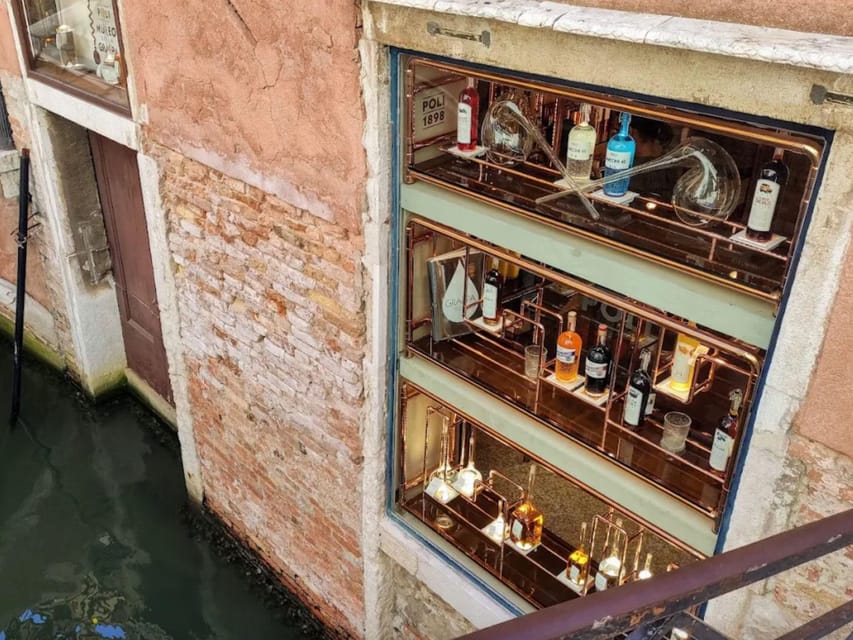
Young grappa is the “before” picture. This matters because infusion and aging can be confusing if you don’t have a baseline. By starting with young grappa, the tasting gives you a reference point so you can actually separate grape character from method-driven changes.
You’re tasting a fresh, unaged spirit that aims to show the essence of the grapes. That usually means it’s more direct in its aromatics and flavor. Some people find it more intense at first, especially if they’re used to spirits that have been softened by time.
This is why I’d treat the young sample as learning time, not “the one I must like most.” If it’s strong, that’s information. You’re noticing the natural starting profile. Then the next two samples either smooth and complex it (barrique aging) or reshape it through added natural ingredients (infused grappa).
The best part is that the staff doesn’t leave you guessing. They guide you through tasting notes for each product, so you’re not stuck trying to label what you’re feeling with made-up words.


Naturally infused grappa: spotting ingredient-driven flavors
The naturally infused grappa is where the tasting becomes fun. This style shows you how grappa can move beyond the traditional “base spirit” idea and toward ingredient-driven flavor.
In the tasting, you learn about the infusion approach and you taste the resulting flavor differences directly. You’ll also get guidance on tasting notes and facts that relate to the infused ingredients used. The goal is to help you notice how those ingredients shift aroma and flavor direction.
Here’s the practical tip: try to identify whether the infusion feels like it’s adding aromatics first (what you smell), flavor second (what you taste), or texture changes too. The guide’s prompts can help you sort that out quickly.
If you end up liking the infused style, it can be a great entry point for someone who finds straight spirits too intense. And if you love it, you’ll know what to look for when you’re browsing in the shop: focus on the ingredient type and how the product is positioned, not just on the bottle design.
What the 3-minute walk from San Marco means for your day
Meeting at Poli Grappa in Venice city center is a real advantage. About a 3-minute walk from San Marco square means you can fit this into your day without losing half your morning to transit and timing.
A short route also helps because Venice weather and crowds can shift fast. If you can get to the shop quickly and settle in, you’re less stressed. Also, because the session is about 30 minutes, you don’t have to build a large buffer around it.
Small-group format (up to 8) helps with schedule realism too. If you’re traveling with family or friends, this is still personal enough to feel like a guided experience, but it’s not so large that it turns into a mass event.
Wear comfortable shoes. You’ll be walking more than you think in Venice, even for quick activities like this one.
Price and value: is $14 fair for three tastings and guidance?
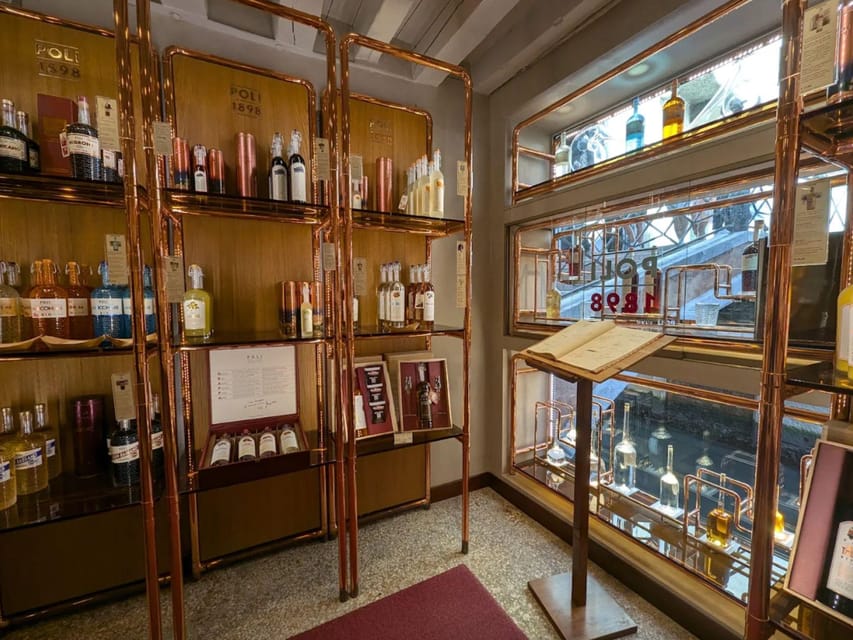
At about $14 per person, this is priced like a smart add-on rather than a big tour. And that is exactly what it seems designed to be: three tastings, plus an introduction to grappa history and production methods, plus staff guidance.
Here’s how I’d think about value. You’re getting three different styles of grappa in one sitting, which gives you three comparisons: young to barrique, barrique to infusion, and young to infusion. That comparison element is the real value. It turns tasting from random sips into something you can actually learn from.
Add in the fact you can get guidance in English or Italian, and that the group stays small, and the price starts to make sense. This is a good way to spend money when you want authenticity and education without spending all day.
If grappa is already your thing, you might still want a longer experience later. But if you’re new, or you just want a clear understanding before buying bottles, this price is a reasonable entry ticket.
Who will enjoy this tasting the most (and who should skip it)
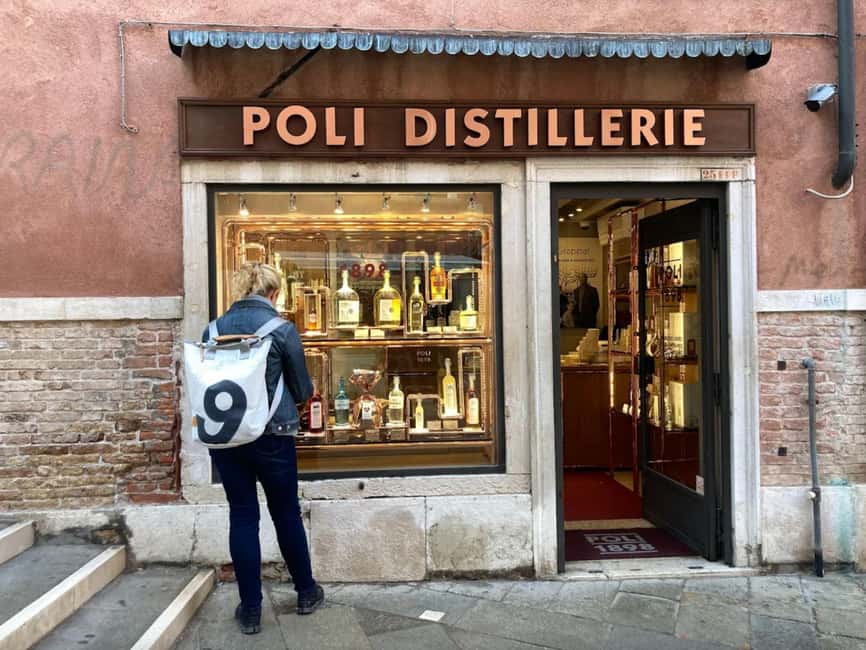
This fits best if you like short, guided learning and you’re curious about spirits beyond just flavor. It’s also a great choice if you prefer a plan that doesn’t eat up your entire schedule in Venice.
I’d especially recommend it if:
- You want to compare young, barrique-aged, and infused styles quickly
- You like learning production methods that you can connect to what you taste
- You’re shopping afterward and want to choose with more confidence
It’s not suitable for children under 18, and you must be at least 18. You also need ID for age verification. It’s not suitable for pregnant women.
If you hate tasting rooms where you feel rushed, double-check whether 30 minutes is comfortable for you. The time is part of the format, and you’ll be tasting at a steady pace.
Getting more out of the tasting: small moves that help
You’ll get the most value if you treat the tasting like a conversation with your palate.
First, show up ready to smell and taste, not just sip. If you can, take a second before each sample to reset your nose. That makes it easier to separate the three styles.
Second, ask for what you care about. If you’re more interested in young grappas, barrique-aged grappas, or infused liqueurs, request that focus. They can accommodate it. This keeps the experience aligned with your taste.
Third, pay attention to the staff’s prompts about tasting notes. Even if you don’t know the vocabulary, the direction helps you notice things you’d miss on your own.
Finally, keep your day loose afterward. You’ll be tasting alcohol, and while the session is short, it’s still a tasting. Comfortable shoes and a low-stress schedule make the whole day better.
Should you book Easy Grappa Tasting in Venice?
Book it if you want a compact, guided introduction to grappa in a central Venice setting. The three-style format gives you a real comparison, the staff connects history and production methods to what you taste, and the small group size makes it feel personal. At about $14 for 30 minutes, it’s strong value for an education-focused tasting you can slot into a busy day.
Skip it if you’re looking for a long, slow food and wine-style experience, or if alcohol tastings at a quick pace don’t fit your travel style. Also skip if any of the listed age or suitability rules apply to your group.
If grappa is on your list and you want to understand what you like before buying, this is one of the simplest ways to get there without wasting time in Venice.
FAQ
Where is the meeting point for the grappa tasting?
You’ll find the spirits shop in Venice city center at Poli Grappa, about 3 minutes walking from San Marco square.
How long does the tasting last?
The tasting session lasts approximately 30 minutes.
What will I taste during the experience?
You’ll taste three types of grappa: young grappa, barrique-aged grappa, and naturally infused grappa.
Is there a guide during the tasting?
Yes. The experience includes a live tour guide available in English and Italian.
How large is the group?
The group is small, limited to 8 participants.
Can I ask to focus on only one type of grappa?
Yes. If you want to focus only on young grappas, barrique-aged grappas, or infused liqueurs, your requests will be accommodated.
Do I need to be a certain age, and do I need ID?
Yes. Participants must be at least 18, and ID is required for age verification.
Is the experience wheelchair accessible?
Yes, it is wheelchair accessible.
What should I bring or wear?
Wear comfortable shoes.
Can I change plans if needed?
You can reserve now and pay later. You can also cancel up to 24 hours in advance for a full refund.
More Food & Drink Experiences in Venice


More Tour Reviews in Venice


Not for you? Here's more nearby things to do in Venice we have reviewed











Food & Drink, compared.
 ★ 5.0Eat Like a Local: Venice 3-Hour Small-Group Food Tasting TourFrom $1073,137 reviews
 ★ 4.8Street Food Tour with a Local Guide and TastingsFrom $572,613 reviews
 ★ 5.0Venice Like a Local: Food, Wine & Spritz Tour with Traghetto RideFrom $1071,858 reviews
 ★ 5.0Venice Bacaro Food Tour: Eat and Drink like a VenetianFrom $831,137 reviews
 ★ 5.0Eat, Drink and Repeat: Wine and Food Tasting Tour in VeniceFrom $1141,060 reviews
 ★ 4.8Food Tasting Tour with Cicchetti Dishes and WineFrom $112894 reviews
 ★ 4.9Sunset Walking Tour with Food and Wine TastingsFrom $99848 reviews
 ★ 5.0Venice Street Food Tour with Local Guide with Local Food Market VisitFrom $53822 reviews
Browse the lists this tour appears in