Tour review · VENICE
Discover Venice’s most Photogenic Spots with a Local
Venice looks better when you know where to stand. This 1.5-hour walk is built around photo coaching and the kind of landmark-by-landmark angles locals actually use. I especially liked the way the guide offered personalized recommendations so you could chase your own style, from classic postcards to quieter street scenes. One drawback: it is not recommended if you have impaired mobility, because you will be walking and stopping often on uneven city stone.
You start at Rio Terà Lista di Spagna, 122I, 30121 Venezia VE, then bounce from major sights to spots that feel more local. The best part is the small group size, up to 8 people, with flexibility for walking pace and interests. Guides like Vittorio and Margherita stood out for strong English, staying punctual, and tailoring the route, with Margherita even adding a short gondola ride when it made sense.
Key things that make this Venice photo tour work
- A small group up to 8 keeps the guide able to adjust on the fly, not just march you to the next stop
- Hands-on photo tips at each location help you frame shots instead of just seeing sights
- Major landmarks plus lesser-known angles means you get both big names and softer, more Venetian details
- Flexible routing by interests and pace so the walk fits you, not the other way around
- Weather-aware stops so you still get great views even when conditions change
Starting in Venice the practical way: Rio Terà Lista di Spagna
The experience begins at Rio Terà Lista di Spagna, 122I, right in the city’s “real” street network. This matters because Venice can feel maze-like fast, and having a clear meeting point gives you a clean start.
You also end up at a different location, Fondamenta de Fazza l’Arsenal, 30122 Venezia VE. That is a smart touch if you want to keep exploring after the tour, rather than returning to the same point and losing momentum.
The tour uses a mobile ticket, and it is hosted by an independent local. It is offered in English, and you can usually choose among a range of start times to fit your schedule.
You can also read our reviews of more tours and experiences in Venice.

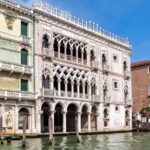
Grand Canal footbridge to Rialto Bridge: where photos usually click (or fail)
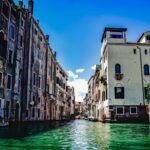
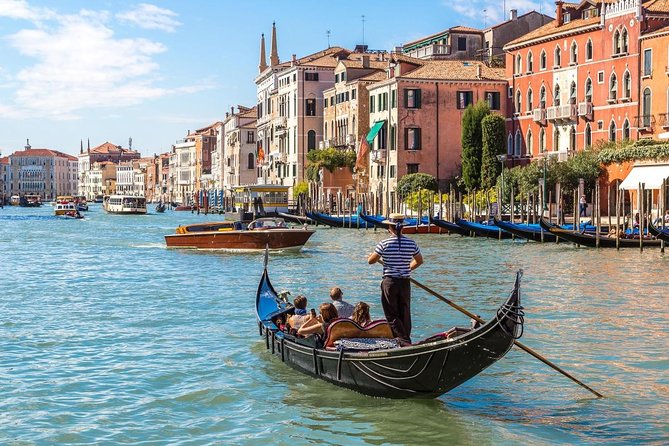
You kick things off from a stone footbridge over the Grand Canal. This is a classic Venice move, because the Grand Canal gives you the waterline reflections you cannot fake. The guide’s photo tips here are usually about positioning and waiting for the right moment, like balancing architecture in the frame with the boats and light on the canal.
Next is Rialto Bridge, the big “you have to see it” stop. Rialto is popular for a reason, but it can also be a trap for bad photos if you only shoot from the most obvious spots. What I like about this kind of guided stop is that you are not guessing. You get suggestions on where to stand and how to aim so the bridge feels like part of the scene, not just a close-up postcard you snap and move on from.
A practical note: Rialto is busy. The small-group setup helps because the guide can guide you through the crowd rhythm, stopping where the view works without turning the walk into a constant bottleneck.
Palazzo Contarini del Bovolo and the Scala del Bòvolo moment
Then you head to Palazzo Contarini del Bovolo and get acquainted with the well-known Scala del Bòvolo. If you are into details, this is the stop that often feels more “Venice” than the big wide squares.
The spiral stair is visually strong from different angles, and it rewards careful framing. The guide’s job is to point out which views give you the cleanest lines and best structure. If you’ve ever tried to photograph ornate architecture in Venice and ended up with a messy tangle, this is where you learn how locals simplify the chaos into something readable.
Potential drawback: this kind of stop can mean more standing and looking up. If you prefer constant movement or you tire easily during viewpoint pauses, plan to build energy early in the tour.
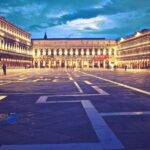
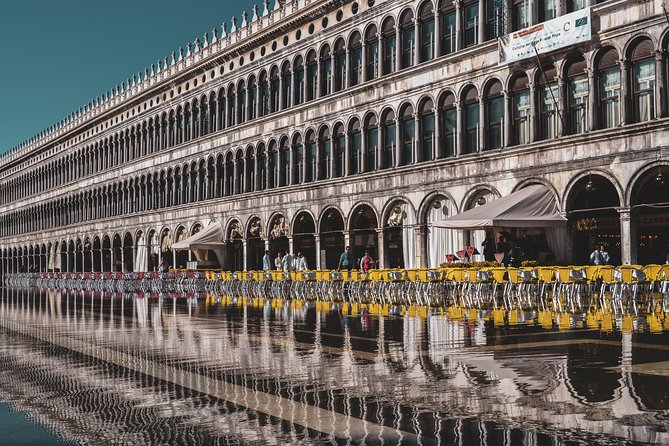
Piazza San Marco: the drawing-room of Europe, plus photo strategy
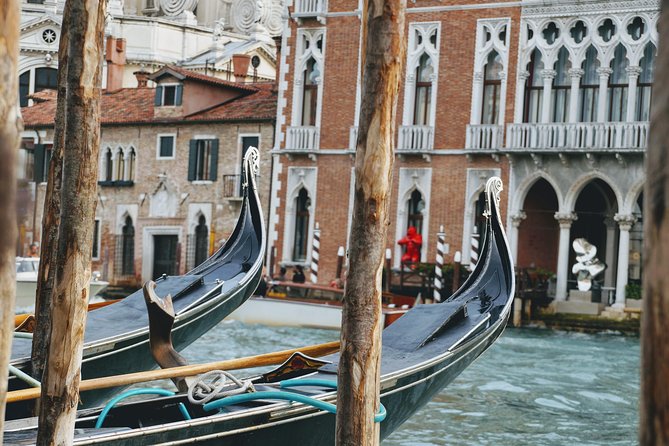
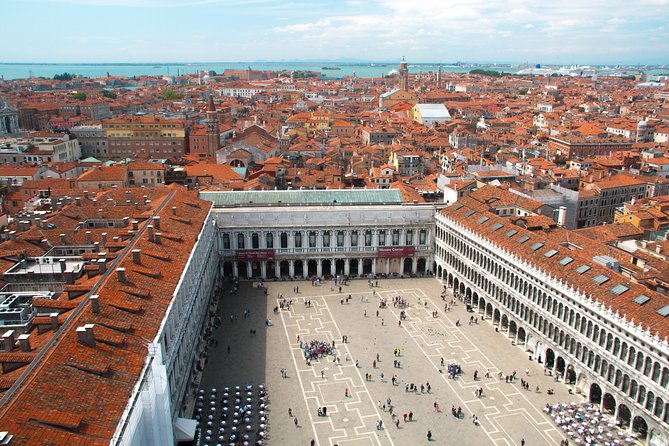
Venice’s largest and most important piazza is where the city flexes. The tour brings you to the grand square that inspired Napoleon to describe it as the drawing room of Europe. Whether you care about the quote or not, the point for your camera is the same: you will have space for wide shots, and you will also have details if you know where to tilt your frame.
This is also where you learn a useful photo lesson. Big piazzas tempt you to shoot everything at once. The guide’s coaching typically helps you break the scene down, like choosing either strong symmetry or a detail-first composition. That way, your photos do not all look like the same wide frame.
Because the tour is small-group and adapts to your pace, you are less likely to feel rushed at the edges of the square. Still, expect some waiting and repositioning for better light and fewer people in the background.
Porta della Carta: the calm pause that makes your set look intentional
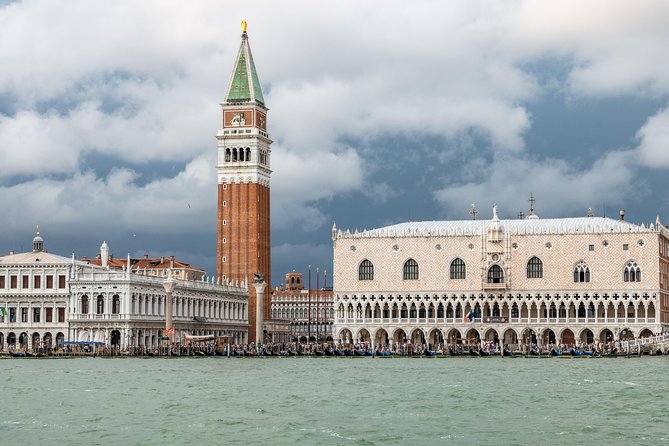
Porta della Carta is worth a look, and it plays a smart role in the route. After the open space of the piazza, this kind of architectural detail helps you vary your photo set. It gives you texture, ornament, and a more intimate frame.
I like this stop because it balances the classic big-name sights. It is the moment where your album starts to look like a journey, not just a checklist.
If you love graphic lines and contrast, this is also a good place to slow down. Let your eyes adjust, then ask your guide how to frame it so the stone and openings read well in your shot.
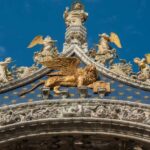
A Byzantine basilica interior glow: golden mosaics and controlled viewing
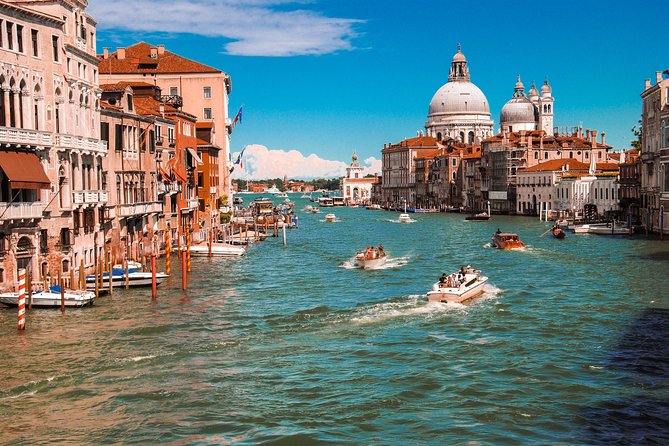
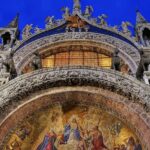
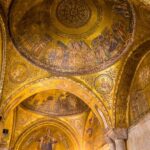
The tour then includes a Byzantine basilica that glitters with golden mosaics inside. For photos, the interior rules are different than outdoors. You usually cannot rely on bright daylight the same way, and the surfaces can be reflective. That makes the guide tips valuable.
What I find helpful in guided stops like this is the practical guidance: where to stand, how to angle so you reduce glare, and how to capture the effect without losing the fine detail. Even if your camera is basic, those small changes can transform the results.
One important limitation: entry tickets for museums and monuments are not included in the tour price. So if your visit depends on getting inside the basilica or a specific viewpoint, you will want to plan for that cost separately.
Bridge of Sighs: the enclosed passageway with built-in mood
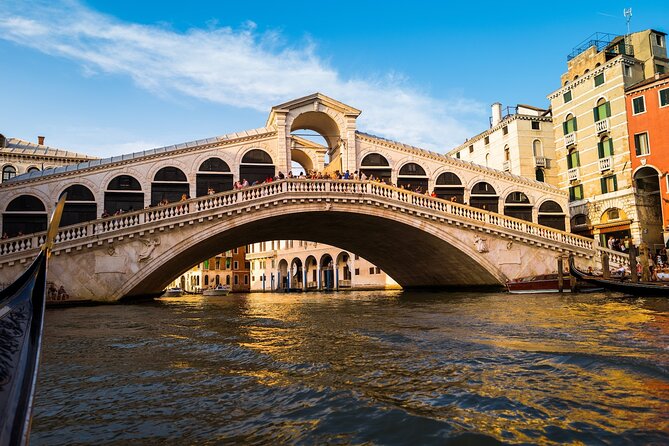
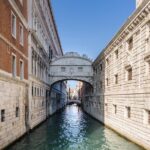
You will also see the enclosed picturesque passageway named for the sighs of the prisoners who passed over it. This stop has a built-in atmosphere, which is exactly what you want for a photo set that feels emotional, not just scenic.
Here the guide’s coaching likely focuses on framing in tight spaces and capturing the sense of enclosure. Indoors, or semi-contained areas, usually mean fewer “easy” angles. A local guide helps you find the ones that look natural and composed.
If you prefer not to spend time in confined corridors or if you dislike dimmer lighting for photos, treat this as the stop where you decide whether you want a quick look for yourself or more careful framing.
Canal Grande and carnival vibes: a cultural stop, not just scenery
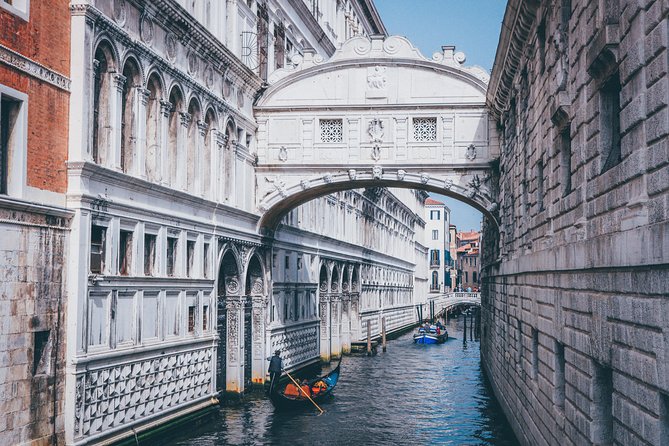
The tour ends with a stop on the Canal Grande area so you can get to know more about Venice’s carnival and local culture. This is a good choice because it shifts the tour from architecture-only to Venice-as-a-living-city.
Carnival in Venice is not just costumes. It is also about identity, tradition, and the way people relate to the streets and water. A guide who can connect your photos to culture helps you avoid a common problem: photos that look gorgeous but do not tell you much about the place.
In practical terms, this stop also gives you more moving-room for photos. Canal-side viewing often means you can walk a little, reposition, and catch different angles without feeling like you are trapped in a single spot.
Where the tour ends: Fondamenta de Fazza l’Arsenal
The experience ends at Fondamenta de Fazza l’Arsenal. I like end points like this because you can keep exploring without needing a second “backtrack” journey. Fondamenta areas also make it easy to grab food or simply watch the water, which helps your photos feel like part of a larger day.
If you are trying to maximize one day in Venice, having a landing spot near the waterfront can be a big win. You can transition from guided learning to unstructured wandering, which is where Venice sometimes surprises you.
Price and value: what $164.43 buys you, and what it does not
The price is $164.43 per person for about 1 hour 30 minutes. For Venice, the value depends on what you want.
You are paying for:
- a knowledgeable local (the tour is hosted by an independent local)
- a small group experience with up to 8 travelers
- photo-focused tips plus personalized recommendations
- flexibility in the itinerary based on your interests and walking pace
You are not paying for:
- personal expenses
- entry tickets for public transportation, museums, and monuments
That last part is the one that can change the math. If you plan to go inside specific buildings or use transit during the tour, budget extra so you do not get surprised mid-day.
There is also a seasonal-ish wrinkle. On certain dates, people staying outside Venice who are visiting for the day may need to pay a €5 access fee. The tour notes that exemptions exist, and you should check the official guidance at https://cda.ve.it.
If you take that access fee into account and plan for any museum entry you want, you will likely find this tour worth it because you are buying time and direction. Venice photography is harder than it looks, and a good guide saves you from wasting hours chasing bad angles.
Guides that make the difference: Vittorio and Margherita
Two guide names came through clearly. Vittorio was described as amazing, with strong historical information and an ability to customize the experience to what the person wanted. Margherita was praised for punctuality, clear communication in English, and an ability to lead you off the beaten path while still hitting major “must-see” spots.
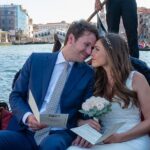
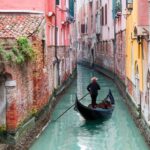
Margherita also stood out for being flexible and thoughtful, including adding a quick gondola ride. That kind of adaptation is what you want from a photo tour, because it shows the route is not scripted for everyone.
Even if your guide is different, the pattern to look for is the same: clear communication, pacing that fits you, and actual coaching on how to frame shots.
Who should book this Venice photo tour
I think this tour is a great match if:
- you want a photo-focused route that still covers the landmarks people travel for
- you like small groups and prefer guidance over wandering alone
- you want your day to feel organized, especially your first visit to Venice
- you enjoy both iconic architecture and smaller details that make your photos look more intentional
You might skip it if:
- you have mobility concerns, since it is not recommended for impaired mobility
- you dislike walking and standing for photos
- you want a purely museum-based experience, because entry tickets are not included and the tour is more about viewing and photo strategy than deep indoor time
Should you book this Venice photo tour?
If you are going to spend only a day or a half-day in Venice, I would book it. The route hits the big hitters, but more importantly it teaches you how to photograph them without guessing. For me, the strongest reason to do it is the combination of hands-on photo tips and a small group size that allows real adjustments.
Do it early in your Venice trip if you can. You will come away knowing what angles work, which makes the rest of your wandering day much more productive.
FAQ
FAQ
How long is the Venice photo tour?
It runs for about 1 hour 30 minutes.
How many people are in a group?
The tour has a maximum of 8 travelers.
What language is the tour offered in?
It is offered in English.
What is included in the price?
You get a knowledgeable local guide, a small group experience, and personalized recommendations.
Where do I meet, and where does the tour end?
You start at Rio Terà Lista di Spagna, 122I, 30121 Venezia VE, Italy. The tour ends at Fondamenta de Fazza l’Arsenal, 30122 Venezia VE, Italy.
Are entry tickets or transportation included?
No. Entry tickets for public transportation, museums, and monuments are not included.
Is this tour suitable for people with impaired mobility?
It is not recommended for guests with impaired mobility.
Is there an access fee on certain dates?
On certain dates, day visitors staying outside Venice may need to pay a €5 access fee. Check https://cda.ve.it for details and exemptions.
What is the cancellation policy?
You can cancel for a full refund up to 24 hours in advance. Within 24 hours of the start time, the amount paid is not refunded.